Kosovo election delivers fragmented result as Kurti’s party falls short of majority


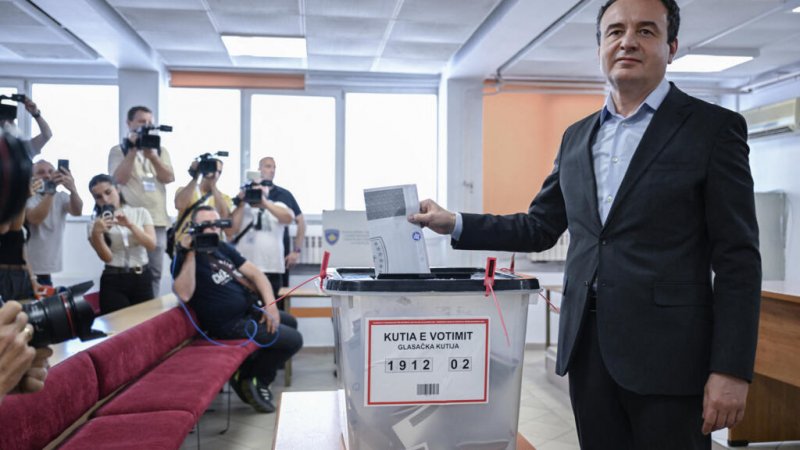
Kosovo Prime Minister Albin Kurti’s Self-Determination movement emerged as the leading force in the country’s snap parliamentary election, but preliminary results show it failed to secure enough support to govern alone, setting the stage for renewed coalition talks and continued political uncertainty.
With more than 95 percent of ballots counted, the party known locally as Vetevendosje received around 43 percent of the vote, marking a decline from its previous majority-winning performance, News.Az reports, citing Novinite.
RECOMMENDED STORIES
The Democratic Party of Kosovo came second with around 21 percent of the vote, while the Democratic League of Kosovo secured roughly 17 to 18 percent. Although Kurti’s party remained the largest political force, the result leaves it short of a parliamentary majority and dependent on coalition partners to form a government.
Voter turnout dropped to about 35 percent, significantly lower than in the previous election, reflecting growing public fatigue with repeated political crises and snap votes. Final seat distribution will depend on diaspora ballots, which analysts say could slightly strengthen Kurti’s position but are unlikely to change the overall balance of power.
The election follows a prolonged institutional deadlock triggered by the failure to elect a president within constitutional deadlines. Kosovo’s parties have repeatedly been unable to secure the required parliamentary quorum for a presidential vote, deepening political paralysis and forcing new elections.
The dispute has further strained relations between Kurti and former President Vjosa Osmani, who accused the prime minister of consolidating power and weakening Kosovo’s foreign relations. Despite returning to politics with the Democratic League of Kosovo, Osmani’s influence did not significantly alter the election outcome.
Kurti, who rose to power on an anti-corruption and sovereignty-focused platform, remains a dominant figure in Kosovo politics, but the latest results underline increasing limitations on his ability to govern without compromise. Kosovo, which declared independence from Serbia in 2008, continues to face international divisions over recognition and remains outside European Union membership, with progress tied to normalization of relations with Serbia.
By Leyla Şirinova


Similar news