What developments took place in the US–Iran–Israel war on May 8?


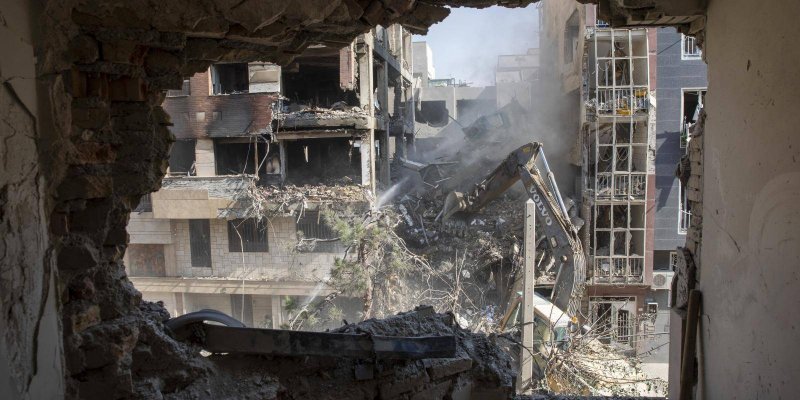
The confrontation involving the United States, Iran and Israel entered another dangerous phase on May 8 as military activity, diplomatic messaging and regional tensions intensified despite continued claims that a ceasefire was technically still in effect.
The day was marked by reports of missile launches, naval tensions in the Strait of Hormuz, renewed Israeli military activity and increasingly sharp rhetoric from leaders in Washington and Tehran.
RECOMMENDED STORIES
- Woman opens fire in Kyiv residential courtyard after confrontation, man wounded
- Lebanon and Israel: from confrontation to peace without Hezbollah
- Economic horoscope for May 8: What the stars predict for money, work and financial decisions
- Armenia and Azerbaijan deepen normalization efforts despite regional tensions
At the same time, behind the scenes, several regional actors continued efforts to prevent the conflict from spiraling into a much larger Middle East war.
Below is a detailed FAQ explainer on the most important developments surrounding the crisis.
Why was May 8 considered an important day in the conflict?
May 8 became one of the most closely watched days in the ongoing confrontation because several military and political developments occurred almost simultaneously.
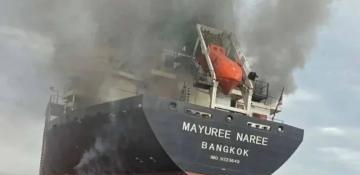
Tensions sharply increased after reports emerged that Iranian missiles and drones had targeted U.S. naval assets near the Strait of Hormuz. The incident came shortly after American strikes on Iranian military related infrastructure, which Washington described as defensive operations.
At the same time, Israel continued military actions linked to Iran aligned groups across the region, particularly in Lebanon and Syria. The combination of naval incidents, airstrikes and diplomatic threats created fears that the conflict could quickly widen beyond the current level of confrontation.
Even though officials from both sides publicly insisted they wanted to avoid all out war, the pace of escalation during the day alarmed regional governments and global markets.
What happened between Iran and the United States?
The main military flashpoint involved U.S. naval forces operating near the Strait of Hormuz, one of the world’s most strategically important waterways.
According to reports circulating during the day, Iranian forces launched missiles and drones toward American naval vessels after accusing the United States of conducting aggressive maneuvers near Iranian territorial waters.
American officials said U.S. forces intercepted several threats before carrying out retaliatory strikes against what they described as Iranian military positions connected to missile operations and naval activity.
Iranian media presented a different version of events, claiming Tehran had acted in self defense following U.S. provocations and military pressure near the Gulf.
The conflicting narratives demonstrated how quickly incidents in the region can escalate into direct military confrontation.
Did the ceasefire collapse?
Officially, no.
U.S. President Donald Trump stated that the ceasefire remained active despite the latest clashes. However, many analysts argued that the ceasefire had become extremely fragile and existed more as a political framework than as a fully functioning agreement.
Military exchanges continued in different forms throughout the region, creating uncertainty about whether the ceasefire could survive much longer.
Iranian officials accused Washington of violating understandings reached through mediators, while American officials argued that the United States was only responding to threats against its forces and allies.
This situation created a dangerous ambiguity in which both sides claimed to support de escalation while simultaneously engaging in military actions.
What role did Israel play on May 8?
Israel remained deeply involved in the broader conflict throughout the day.
Israeli military operations reportedly targeted positions associated with Iran backed groups in Lebanon and Syria. Israeli officials continued warning that Iran’s regional military network posed a direct threat to Israeli national security.
At the same time, Israeli leadership maintained strong support for continued pressure on Tehran, especially regarding Iran’s missile capabilities and nuclear activities.
The Israeli government also increased military readiness amid fears that Iran or Iran aligned groups could launch retaliatory attacks against Israeli territory.
The conflict has increasingly become a multi front confrontation involving not only Iran and Israel directly, but also regional armed groups and international powers connected to the crisis.
Why is the Strait of Hormuz so important in this conflict?
The Strait of Hormuz has become one of the central pressure points in the confrontation because it is one of the most important oil transit routes in the world.
A large percentage of global oil exports pass through the narrow waterway every day. Any disruption there immediately affects international energy markets and global economic stability.
Iran has repeatedly signaled that if it faces major military pressure or economic strangulation, it could threaten shipping traffic in the area.
The United States has long maintained a strong naval presence there specifically to protect commercial shipping routes and regional allies.
As tensions intensified on May 8, fears grew that further clashes in the Strait of Hormuz could trigger serious disruptions to global oil supplies and shipping operations.
How did global markets react?
Financial and energy markets reacted nervously throughout the day.
Oil prices rose amid concerns that additional fighting near major shipping routes could impact global supplies. Investors also monitored developments closely because a prolonged conflict could affect inflation, trade routes and international transport costs.
Several airlines reportedly reviewed flight routes over parts of the Middle East due to security concerns, while shipping companies assessed risks connected to Gulf operations.
The conflict has increasingly become not only a military issue but also a major economic concern with worldwide implications.
What did Donald Trump say about the situation?
President Donald Trump attempted to balance strong rhetoric with reassurances that the United States was not seeking a broader war.
He described recent U.S. military actions as limited responses designed to protect American personnel and interests. At the same time, he warned Iran against further attacks and suggested Washington could respond much more aggressively if necessary.
Trump also repeated that diplomatic channels remained open and expressed hope that a longer term arrangement could still be achieved.
However, his comments also reflected the difficult balance facing the White House: demonstrating military strength without triggering uncontrolled regional escalation.
How did Iran respond politically?
Iranian officials used strong language throughout the day, accusing the United States and Israel of destabilizing the region and violating international norms.
Tehran insisted that Iranian military actions were defensive responses to foreign aggression. Iranian leaders also warned that continued pressure could force the country to take stronger measures in defense of its sovereignty and regional interests.
At the same time, Iranian officials appeared careful not to completely close the door to diplomacy.
This dual approach reflected Tehran’s broader strategy of combining military pressure with diplomatic signaling in order to strengthen its negotiating position.
Are diplomatic negotiations still happening?
Yes.
Despite the military exchanges, multiple countries continued diplomatic efforts aimed at preventing further escalation.
Regional mediators, including several Gulf states and Pakistan, reportedly remained engaged in communication between Washington and Tehran. European governments also urged restraint and called for renewed negotiations.
The core disputes remain unresolved, including Iran’s nuclear activities, sanctions, regional military influence and maritime security in the Gulf.
Still, the continuation of diplomatic contacts suggested that neither side currently wants the situation to evolve into a full scale regional war.
How dangerous is the situation now?
The risk level remains extremely high.
One of the biggest concerns is the possibility of miscalculation. With multiple military forces operating in close proximity across the Middle East, even a limited incident could rapidly trigger broader confrontation.
The conflict now involves several interconnected fronts including naval operations, missile threats, proxy groups, cyber activity and regional political alliances.
Analysts warn that continued escalation could eventually pull additional countries into the crisis and create severe humanitarian and economic consequences across the region.
At the same time, the fact that diplomatic communication channels remain active provides some hope that a wider war can still be avoided.
What are analysts watching next?
Experts are closely watching several key developments in the coming days:
• Whether further attacks occur near the Strait of Hormuz
• Possible Israeli operations against Iran aligned groups
• Iran’s response to continued U.S. military pressure
• The stability of energy markets and oil exports
• Diplomatic mediation efforts involving regional states
• The future of nuclear related negotiations
• Any signs of direct large scale confrontation between Iran and Israel
The next phase of the crisis will likely depend on whether the main actors choose escalation or controlled containment.
For now, May 8 demonstrated that while leaders continue speaking about restraint and diplomacy, the region remains dangerously close to a much larger conflict.
By Faig Mahmudov


Similar news