Why is China’s top diplomat visiting Canada for the first time in a decade?


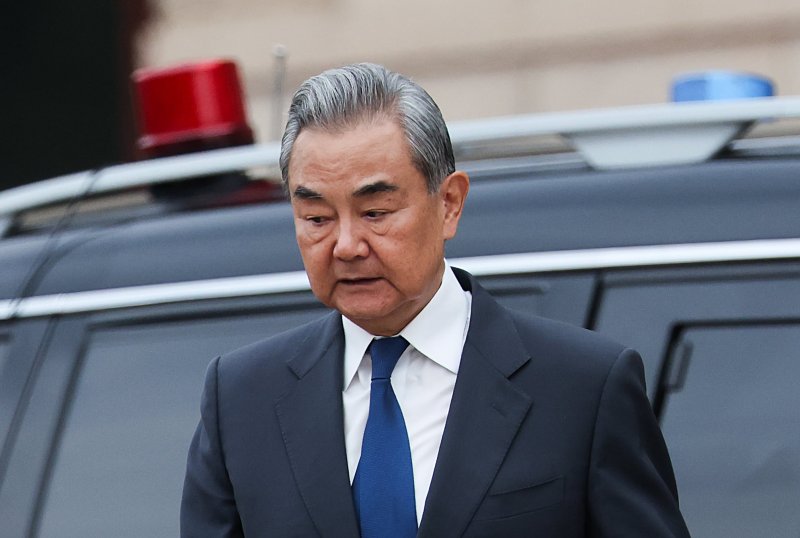
China’s top diplomat is set to visit Canada for the first time in nearly 10 years, marking a potentially significant moment in the often turbulent relationship between the two countries.
The visit comes after years of diplomatic tensions, trade disputes, geopolitical disagreements and concerns over security, foreign interference and human rights issues, News.az reports.
RECOMMENDED STORIES
For observers of international relations, the trip represents more than a routine diplomatic engagement. It reflects broader shifts in global politics, changing economic realities and efforts by both Ottawa and Beijing to stabilize a relationship that has experienced some of its lowest points in modern history.
This FAQ explainer examines the significance of the visit, the history behind strained China–Canada relations, the issues expected to dominate discussions and the potential implications for trade, security and global diplomacy.
Who is China’s top diplomat?
China’s top diplomat is generally regarded as the country’s highest ranking foreign policy official and a key architect of Beijing’s international strategy.
In recent years, China’s diplomatic leadership has played an increasingly important role in shaping the country’s global engagement amid rising competition with Western nations, evolving economic priorities and regional security challenges.
As Beijing seeks to project greater influence internationally, visits by senior Chinese diplomatic figures are often closely scrutinized because they can signal shifts in policy, diplomatic priorities or strategic objectives.
A visit to Canada by such a senior official therefore carries symbolic as well as practical significance.
Why is this visit significant?
The visit is significant primarily because it is the first such trip by China’s top diplomat to Canada in approximately a decade.
During those years, bilateral relations experienced considerable strain due to a series of political and diplomatic disputes. High level engagement became increasingly limited, and trust between the two governments deteriorated.
The return of direct senior level diplomacy suggests both sides may be interested in maintaining communication channels despite continuing disagreements.
While the visit does not necessarily indicate a major breakthrough, it signals recognition in both capitals that dialogue remains necessary.
Diplomatic experts often note that maintaining communication becomes especially important during periods of disagreement because it helps reduce misunderstandings and manage disputes.
How important are China and Canada to each other economically?
China remains one of Canada’s most important trading partners.
Canada exports a wide range of products to China, including agricultural goods, seafood, natural resources, minerals and forestry products. China, meanwhile, exports manufactured goods, electronics, machinery and consumer products to Canada.
Trade between the two countries has expanded significantly over recent decades despite periodic political tensions.
China’s vast market offers opportunities for Canadian exporters, while Canadian consumers and businesses rely on Chinese manufactured goods and supply chains.
Economic ties have therefore often remained more resilient than political relations, although tensions have occasionally affected specific sectors and products.
How did relations between China and Canada become strained?
The deterioration in relations can be traced to several interconnected developments.
One of the most significant episodes occurred in late 2018 following the arrest in Canada of a senior Chinese technology executive pursuant to a United States extradition request.
The incident triggered a severe diplomatic crisis between Ottawa and Beijing.
China subsequently detained two Canadian citizens, a move that generated intense international attention and criticism from Western governments.
The episode became one of the defining diplomatic disputes in recent Canada–China relations and significantly eroded trust.
Although the individuals involved were eventually released, the broader political damage lingered.
Relations have remained complicated ever since.
What other issues have contributed to tensions?
Several additional issues have contributed to diplomatic friction:
-
Allegations of foreign interference in Canadian political processes.
-
Concerns about cybersecurity and technology security.
-
Human rights disputes involving Xinjiang, Hong Kong and other issues.
-
Restrictions affecting certain imports and exports.
-
Military and security concerns in the Indo Pacific region.
-
Differing positions on international governance and geopolitical questions.
These issues reflect broader disagreements between China and many Western countries rather than concerns unique to Canada.
As a result, Canada’s relationship with China is often influenced by wider global developments.
Why might both countries want to improve communication now?
Several factors may explain renewed diplomatic engagement.
First, economic realities encourage continued dialogue.
Despite political tensions, trade remains important to both countries. Businesses often prefer stable and predictable diplomatic relations because uncertainty can affect investment decisions and commercial planning.
Second, the international environment has become increasingly complex.
Global conflicts, economic uncertainty, supply chain disruptions, energy security concerns and climate related challenges have created incentives for governments to maintain diplomatic channels.
Third, both countries may recognize that managing disagreements is more effective through direct communication than through prolonged diplomatic isolation.
Even when major policy differences remain unresolved, dialogue can help prevent misunderstandings from escalating.
Does the visit mean relations are returning to normal?
Not necessarily.
Diplomatic visits often serve as opportunities to exchange views, identify areas of cooperation and clarify differences.
They do not automatically resolve longstanding disputes.
Many analysts view the visit as a sign of stabilization rather than normalization.
Stabilization means maintaining communication and preventing further deterioration.
Normalization would imply a much broader restoration of trust and cooperation across political, economic and security areas.
Given the complexity of existing disagreements, most observers expect gradual rather than dramatic progress.
What topics are likely to be discussed during the visit?
A wide range of issues could be addressed.
Trade and economic cooperation
Economic issues are expected to feature prominently.
Canada may seek greater market access for agricultural products, natural resources and other exports.
China may emphasize the importance of stable economic relations and predictable commercial policies.
Both sides could discuss investment opportunities and efforts to reduce barriers affecting trade.
Global economic uncertainty
The world economy continues to face challenges including inflation pressures, slowing growth in some regions and supply chain vulnerabilities.
China and Canada may exchange views on how international cooperation can support economic stability.
Climate change
Climate change remains one area where both countries have previously identified opportunities for cooperation.
Discussions could include emissions reduction, clean energy development and environmental initiatives.
Regional security
Security developments in the Indo Pacific region are likely to be addressed.
Canada has increased engagement in the region through diplomatic, economic and security initiatives.
China’s growing regional influence remains a central factor in many strategic discussions.
Consular issues
The protection of citizens abroad remains an important concern in bilateral relations.
Diplomatic discussions frequently include consular matters and mechanisms for managing future disputes.
What role does the United States play in Canada–China relations?
The United States plays an important indirect role.
Canada and the United States share one of the world’s closest economic and security partnerships.
Many aspects of Canada’s foreign policy are influenced by broader North American strategic considerations.
At the same time, Canada seeks to maintain an independent foreign policy and preserve economic relationships with a variety of international partners.
Managing relations with China therefore often involves balancing economic interests with security considerations and alliance commitments.
This balancing act has become increasingly challenging as strategic competition between Washington and Beijing intensifies.
How has China’s global diplomatic strategy evolved in recent years?
China has expanded its diplomatic engagement significantly over the past decade.
Beijing has pursued deeper relationships across Asia, Africa, Latin America, the Middle East and Europe while simultaneously responding to growing competition with Western countries.
Chinese diplomacy increasingly focuses on:
-
Expanding economic partnerships.
-
Strengthening global trade networks.
-
Enhancing political influence.
-
Promoting development initiatives.
-
Addressing international security issues.
-
Increasing participation in global governance institutions.
Visits by senior Chinese officials often form part of these broader diplomatic efforts.
Why does Canada matter to China?
Canada offers several strategic advantages from China’s perspective.
It possesses abundant natural resources, advanced technology sectors, strong educational institutions and access to North American markets.
Canada is also a member of major international organizations including the G7, NATO and various multilateral forums.
Engagement with Canada therefore provides diplomatic as well as economic value.
Moreover, maintaining workable relations with important Western countries can help China advance broader international objectives.
Why does China matter to Canada?
China is the world’s second largest economy and a major participant in global trade.
For Canada, engagement with China affects numerous sectors including:
-
Agriculture.
-
Energy.
-
Mining.
-
Education.
-
Tourism.
-
Technology.
-
Manufacturing.
-
Financial services.
Canadian universities have historically attracted large numbers of Chinese students, while tourism and business exchanges have also contributed to bilateral ties.
Given China’s economic scale, developments in Chinese policy often have direct implications for Canadian businesses and industries.
Could this visit lead to new trade agreements?
A major trade agreement appears unlikely in the immediate future.
Negotiating comprehensive economic agreements requires substantial political trust and alignment on regulatory issues.
However, the visit could support more limited initiatives aimed at improving commercial cooperation, addressing specific trade barriers or facilitating business exchanges.
Incremental progress is generally considered more realistic than sweeping agreements under current conditions.
How might Canadian businesses view the visit?
Many Canadian businesses are likely to welcome increased diplomatic engagement.
Companies operating internationally often favor stable relationships because diplomatic tensions can create uncertainty regarding market access, regulations and investment conditions.
Agricultural producers, exporters and resource companies may be particularly interested in any developments that improve trade predictability.
At the same time, businesses remain aware of geopolitical risks and may continue diversifying markets to reduce dependence on any single country.
What concerns might Canadian policymakers raise?
Canadian officials may emphasize several priorities:
-
Protecting national security.
-
Addressing foreign interference concerns.
-
Ensuring fair trade practices.
-
Supporting human rights principles.
-
Promoting transparency and rule based international conduct.
-
Safeguarding critical infrastructure and technology sectors.
These concerns have become central elements of Canada’s broader foreign policy approach toward China.
What concerns might Chinese officials raise?
Chinese representatives may focus on:
-
Respect for sovereignty.
-
Economic cooperation.
-
Opposition to protectionist measures.
-
Stable bilateral relations.
-
Expanded commercial engagement.
-
Constructive dialogue on international issues.
Beijing often emphasizes mutual respect and non interference as guiding principles in international relations.
Could people to people exchanges improve?
Educational, cultural and tourism exchanges could become an area of renewed attention.
Such exchanges have historically served as an important foundation for bilateral understanding.
Universities, research institutions, cultural organizations and business groups frequently play significant roles in maintaining connections even during periods of political tension.
Greater engagement in these areas could help rebuild confidence over time.
What does this visit mean for global diplomacy?
The visit reflects a broader trend in international relations.
Many countries are attempting to balance strategic competition with practical cooperation.
Even governments that disagree on major geopolitical issues increasingly recognize the importance of maintaining dialogue.
This approach reflects the interconnected nature of the modern world economy and international system.
Issues such as climate change, public health, trade stability and technological governance often require cooperation among countries with differing political systems and strategic interests.
The China–Canada relationship illustrates this reality.
The two countries may disagree on numerous issues, yet they remain connected through trade, diplomacy and global institutions.
What are the possible outcomes of the visit?
Several outcomes are possible.
Positive scenario
The visit leads to improved communication, expanded economic dialogue and a commitment to regular diplomatic engagement.
This would not eliminate disagreements but could reduce tensions and improve predictability.
Moderate scenario
The visit produces limited practical results while reaffirming the importance of continued communication.
This outcome may be the most likely given existing challenges.
Minimal progress scenario
Both sides restate existing positions without identifying significant areas of cooperation.
Even in this case, maintaining dialogue could still be viewed as valuable.
Could relations improve significantly in the coming years?
Improvement is possible but likely to be gradual.
The relationship is shaped by both bilateral factors and broader geopolitical trends.
Economic interests create incentives for cooperation, while security concerns and political differences continue to generate friction.
Future progress will depend on:
-
The global strategic environment.
-
Trade developments.
-
Domestic political considerations.
-
International security dynamics.
-
The ability of both governments to manage disagreements constructively.
Most experts believe that pragmatic engagement rather than comprehensive partnership is the more realistic path forward.
What is the broader significance of the visit?
The planned visit of China’s top diplomat to Canada after a decade symbolizes an effort to maintain diplomatic engagement during a period of profound geopolitical change.
It highlights the enduring importance of dialogue between major economies even when relations are complicated by strategic rivalry, political disagreements and security concerns.
For Canada, the visit offers an opportunity to advance national interests, communicate concerns directly and explore areas of mutual benefit.
For China, it provides a chance to strengthen engagement with an important Western partner and demonstrate its commitment to diplomatic outreach.
Ultimately, the visit may not transform the relationship overnight, but it represents a meaningful step toward managing one of the most consequential bilateral relationships in the contemporary international landscape.
By Faig Mahmudov


Similar news