What is behind Iran's decision to commute the death sentences of 139 prisoners?


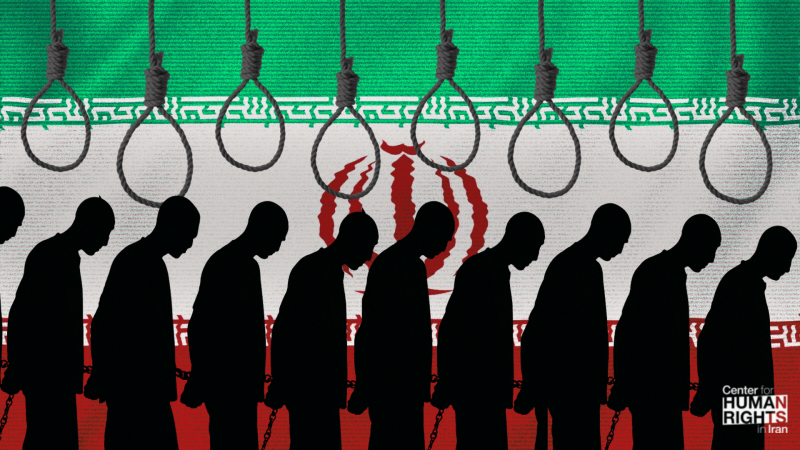
Iran's Supreme Leader Ayatollah Seyyed Mojtaba Khamenei has approved the commutation of death sentences for 139 prisoners, according to Iranian state media.
The move has attracted attention both inside and outside the country, particularly because it comes amid heightened regional tensions and continued scrutiny of Iran's human rights record, News.az reports.
Iran's Judiciary announced that the Supreme Leader approved a request from Judiciary Chief Gholam-Hossein Mohseni-Ejei to commute the death sentences of 139 prisoners.
What happened?
Under Iran's Constitution, the Supreme Leader has the authority to pardon or reduce sentences following recommendations from the head of the Judiciary.
The decision means the prisoners will no longer face execution, although many are likely to continue serving prison terms under revised sentences.
Why did Iran grant the clemency?
Iranian officials described the decision as an act of Islamic mercy and compassion.
Judiciary spokesperson Ali-Asghar Jahangir said the move demonstrates the Islamic Republic's willingness to grant clemency even during periods of conflict and national challenges.
Authorities have presented the decision as evidence that Iran's judicial system allows for mercy and sentence reductions under specific legal and religious provisions.
Who was included in the amnesty?
Iranian authorities have not released the full identities or detailed profiles of all 139 prisoners.
However, the announcement indicates that the beneficiaries were individuals whose cases met the legal requirements for sentence reduction and whose offences did not fall into categories excluded from the pardon process.
Who was excluded?
According to Iranian officials, several groups of convicts were not eligible for the commutation.
Those excluded include individuals convicted of:
-
Armed struggle against the state
-
Armed or organised drug trafficking
-
Armed robbery
-
Arms smuggling
-
Kidnapping
-
Bribery and large-scale embezzlement
Authorities also said individuals accused of undermining national security, participating in foreign-backed unrest, or carrying out acts of sabotage were not included.
Does this signal a broader change in Iran's use of the death penalty?
Not necessarily.
Iran remains one of the countries that carries out the highest number of executions worldwide. While periodic amnesties and sentence reductions are not uncommon, they have generally not resulted in a fundamental shift in the country's use of capital punishment.
Such measures are often linked to religious occasions, national events, or specific recommendations from judicial authorities.
Why is the move attracting international attention?
The announcement comes at a time when Iran faces ongoing criticism from international human rights organisations over its use of the death penalty.
Rights groups have repeatedly urged Tehran to reduce executions and reform its criminal justice system. As a result, any large-scale commutation of death sentences tends to receive significant international attention.
Supporters of the move view it as a humanitarian gesture, while critics argue that it does not address broader concerns surrounding capital punishment in Iran.
What happens next?
The prisoners whose sentences have been commuted are expected to have their punishments converted to prison terms or other penalties in accordance with Iranian law.
Iranian authorities have not indicated whether additional clemency measures are being considered, but such decisions remain possible under the country's constitutional framework, which allows the Supreme Leader to approve future pardons upon recommendation from the Judiciary.
By Faig Mahmudov


Similar news