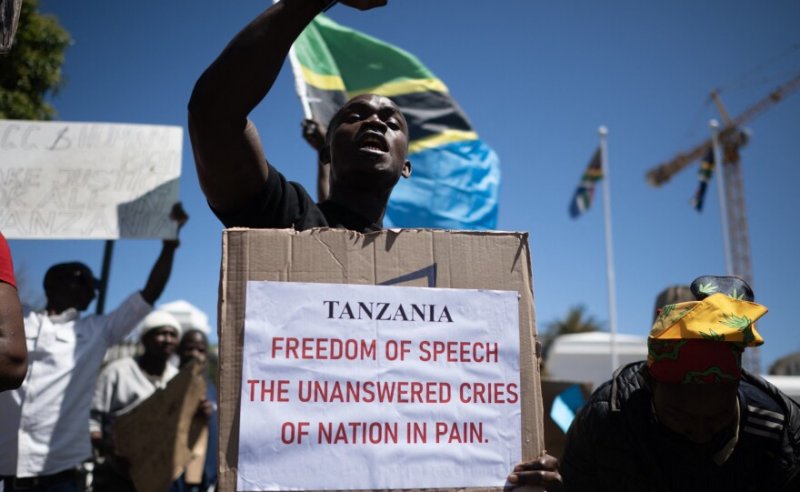
As Tanzania approaches December 9 – the country’s Independence Day – political tensions have risen following calls for protests by several opposition and civil society groups. The government has issued a series of public warnings, urging citizens to refrain from participating in what it describes as unauthorized demonstrations that could threaten national security and disrupt public order. The following FAQ explainer outlines the background, actors, legal context, risks, and possible implications surrounding the planned protests, helping readers understand why the issue has attracted broad national and regional attention.
What exactly is planned for December 9?
A group of activists, opposition figures, and civil-society supporters have circulated online calls for nationwide protests on December 9. The date is symbolically significant: Tanzania marks its Independence Day, a moment traditionally associated with official ceremonies, speeches and national reflection. Organizers argue that using this day for demonstrations will draw attention to economic grievances, concerns over governance, youth unemployment, and perceived restrictions on political freedoms. Although no unified leadership structure has claimed operational control of the protests, various networks have encouraged citizens to gather in major cities, particularly Dar es Salaam, Arusha, Mwanza and Dodoma.
Why has the government issued warnings?
Tanzania’s government has emphasized that the planned protests are illegal because no group has formally applied for or received permission to hold demonstrations. Under Tanzanian law, public gatherings of a political nature require advance notification and approval from authorities, particularly when they involve large crowds. Officials argue that the protest calls circulating on social media bypass this legal framework. Senior government representatives, including police commanders and regional authorities, have warned that participation may lead to arrest, legal penalties or other enforcement actions. They also claim intelligence assessments suggest that the events could be exploited by actors intending to incite unrest or disrupt national Independence Day events.
Who is organizing the protests?
No single political party or civil-society organization has publicly taken responsibility for coordinating the demonstrations, which appear to have emerged from a loose coalition of activists and online influencers. Some opposition supporters have endorsed the idea, framing the protests as a peaceful exercise of constitutional rights. However, major opposition parties have been cautious, with some leaders calling for restraint and emphasizing legal channels for expression. The lack of formal leadership contributes to uncertainty: while it allows the protests to be more organic, it also complicates planning, crowd control, messaging discipline and negotiation with authorities.
What issues are driving public frustration?
Organizers and supporters cite several overlapping concerns. First, economic pressures have intensified, particularly inflation and the rising cost of living, which have made household budgets difficult for many Tanzanians. Youth unemployment remains high, and critics argue that growth has not translated into sufficient job creation or equitable opportunities.
Second, there is an underlying debate over political openness. Some activists say authorities have imposed restrictive conditions on public assemblies, opposition activities and media reporting. Although the government denies systemic repression, these perceptions have contributed to a climate of mistrust.
Third, calls for greater accountability, transparency and anti-corruption efforts continue to resonate across the country. Supporters of the protests argue that symbolic dates such as Independence Day should be used to highlight the need for reforms that match the country’s aspirations for democratic consolidation.
What is the legal basis for the government’s warnings?
Tanzanian law requires organizers of demonstrations to notify relevant authorities in advance and follow specific procedures. The Police Force and Auxiliary Services Act allows officials to deny permission if they believe a gathering could endanger public safety or disrupt essential services. Authorities argue that no such notification has been provided and that online calls for nationwide action do not constitute lawful organization.
The government also cites provisions designed to prevent incitement, misinformation and the spread of messages that could lead to disorder. Officials have reminded citizens that participating in unauthorized gatherings could lead to charges related to unlawful assembly or disobedience of lawful orders.
How are security agencies preparing?
Police commanders across multiple regions have stated that they will deploy additional personnel on December 9 to ensure calm. Checkpoints, patrols and crowd-management teams may be activated depending on the scale of gatherings. Authorities have not disclosed operational details, but they have indicated readiness to “act decisively” to prevent violence or disruption. The government aims to secure Independence Day ceremonies, which typically include speeches, parades and public celebrations. Officials argue that any attempt to overshadow these events risks undermining national unity.
Are the planned protests expected to be peaceful?
Supporters emphasize that the calls for demonstrations are peaceful and focus on constitutional rights such as freedom of expression and assembly. However, the absence of formal leadership increases the risk of confrontations, miscommunication or opportunistic behavior by disruptive groups. Past experiences in various countries show that decentralized protest movements can remain peaceful but can also escalate quickly if not coordinated. The Tanzanian government argues that illegal gatherings pose inherent risks, and security forces may intervene early to prevent what they view as potential instability.
How has the public reacted to the warnings?
Public opinion is mixed. Some citizens agree with the government, arguing that protests on Independence Day are inappropriate or potentially destabilizing. These voices highlight that national celebrations should be preserved as moments of unity rather than political confrontation. Others express sympathy with the frustrations underlying the protest calls, even if they hesitate to participate. Critics argue that economic difficulties and concerns about political freedoms are real and deserve open dialogue.
There are also Tanzanians who support the demonstrations but are uncertain about the risks, particularly the possibility of arrests or clashes with security forces. Online debates have intensified, with many questioning the appropriate balance between public order and democratic expression.
What are regional and international observers saying?
Although there have been no major formal statements from international organizations, regional analysts are monitoring developments closely. Tanzania has been seen as one of East Africa’s more stable political systems, and Independence Day is typically not associated with unrest. However, the emergence of spontaneous, digitally coordinated protest calls aligns with global trends in civic activism, where economic pressures and political grievances accelerate mobilization. Observers note that how the government handles the situation could shape future perceptions of political freedoms in Tanzania.
Could the protests affect Independence Day events?
Yes, depending on participation levels and the government’s security response. If gatherings occur near official venues or major public squares, they could complicate crowd management and logistics. Authorities may choose to limit access, reroute traffic or take precautionary measures to ensure ceremonies proceed without disruption. Officials insist that national celebrations will continue as planned, emphasizing that they represent a cornerstone of Tanzania’s identity and unity.
What happens if people protest despite the warnings?
Security forces are likely to intervene. This could include dispersing crowds, detaining participants or restricting movement in certain areas. The government has emphasized that participating in illegal demonstrations has legal consequences. At the same time, human-rights groups may monitor enforcement practices to ensure proportionality. The extent of any confrontation will depend on crowd size, conduct and police strategy. Even small gatherings could lead to targeted arrests if authorities aim to deter wider participation.
What are the possible long-term implications?
Several outcomes are possible. If the protests are small or quickly dispersed, the episode may reinforce the government’s control over public assemblies, signaling limited space for spontaneous mobilization outside formal processes.
If larger gatherings occur, even briefly, they could shape public debate about political freedoms, the cost of living and youth frustrations. The government might face pressure to engage more directly with civic groups or adjust its communications strategy.
Regardless of turnout, the event highlights the evolving role of social media in Tanzanian politics. Digital mobilization can amplify grievances quickly, challenging traditional political structures and prompting new debates over public participation and government accountability.
What should citizens know as December 9 approaches?
Authorities urge citizens to follow official guidance, avoid unauthorized gatherings and prioritize personal safety. Organizers and supporters of protests encourage peaceful expression and claim that ordinary citizens should not fear raising concerns.
For the broader public, the key considerations are legal risks, security measures, and the potential for disruptions to public services or transport. Independence Day events will proceed, but local conditions may vary depending on the presence of crowds or police deployments.
Conclusion
The lead-up to December 9 has triggered an unusual atmosphere of political tension in Tanzania. Government warnings, economic frustrations and calls for peaceful demonstrations have converged at a symbolic national moment. The outcome remains uncertain, but the episode underscores important questions about public expression, governance and the space for dissent in one of East Africa’s most influential states. As the date approaches, citizens and observers will watch closely to see whether caution, confrontation or compromise shapes this pivotal moment.