One Island, 90% of Iran’s oil: Why Kharg matters to the world


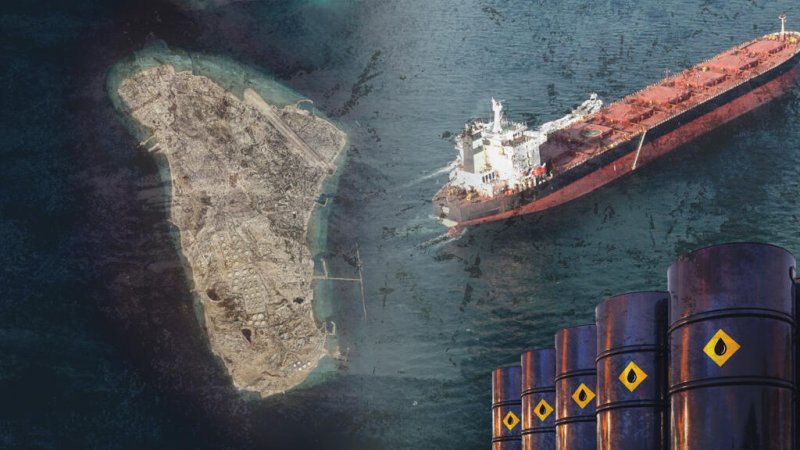
Kharg Island has increasingly drawn global attention amid rising tensions in the Middle East. Located in the Persian Gulf, this small island plays an outsized role in Iran’s economy and the global oil market. As discussions intensify around potential military scenarios involving Iran, the United States, and Israel, Kharg Island is frequently mentioned as one of the most sensitive and strategically important energy facilities in the region. Below is a detailed FAQ explaining why this island matters so much.
What is Kharg Island?
Kharg Island is a small island belonging to Iran located in the Persian Gulf, approximately 25 kilometers off the Iranian coastline and about 40 kilometers northwest of the port city of Bushehr. Despite its relatively small area, the island serves as Iran’s primary oil export terminal and one of the most important components of the country’s energy infrastructure.
The island hosts vast oil storage tanks, loading terminals, pipelines, and specialized facilities designed to load crude oil onto large oil tankers. Because of its unique infrastructure and geographic location, Kharg Island has been at the center of Iran’s oil export system for decades.
Why is Kharg Island so important for Iran?
Kharg Island is widely considered the backbone of Iran’s oil export capacity. Most of Iran’s crude oil shipments destined for international markets are processed and loaded at facilities on this island.
Iran’s economy relies heavily on oil exports as a major source of national revenue. Even under sanctions and restrictions, oil sales remain one of the key pillars supporting the country’s economy. As a result, Kharg Island plays a critical role not only in Iran’s energy sector but also in its overall economic stability.
The island is equipped with large-scale storage infrastructure that allows Iran to hold millions of barrels of crude oil before shipping them to international buyers. Massive tank farms dominate the island’s landscape, making it one of the most recognizable oil export hubs in the Persian Gulf.
How much oil moves through Kharg Island?
Energy analysts estimate that up to 90% of Iran’s seaborne oil exports pass through Kharg Island. This means that any disruption to the island’s operations could significantly impact Iran’s ability to sell oil on global markets.
The island’s terminals are capable of handling very large crude carriers (VLCCs), the giant tankers used to transport oil across long distances. These ships load Iranian crude at Kharg before sailing toward markets in Asia, particularly China, India, and other major energy-consuming economies.
Because such a large share of Iran’s oil exports flows through this single location, Kharg Island is considered both a strategic asset and a potential vulnerability.
Why is Kharg Island attracting geopolitical attention now?
Recent geopolitical tensions in the Middle East have placed Kharg Island back in the spotlight. As discussions grow about possible military escalation involving Iran, the island is often mentioned in strategic analyses as one of the most sensitive targets in the region.
Energy infrastructure is frequently seen as a pressure point during conflicts, especially in regions where oil revenues play a critical role in national economies. Because Kharg Island handles the overwhelming majority of Iran’s oil exports, analysts say that any disruption there could significantly affect Iran’s financial resources.
Reports in Western media and discussions among security experts have suggested that Iran’s oil export infrastructure could become a strategic focus in any major confrontation.
What would happen if Kharg Island’s oil facilities were damaged?
If the island’s export infrastructure were significantly damaged or temporarily disabled, the consequences could extend far beyond Iran.
First, Iran’s oil export capacity would likely drop sharply, reducing the country’s ability to generate revenue from crude sales. This could place serious economic pressure on the Iranian government.
Second, global oil markets could react quickly. Even though Iran’s official exports fluctuate due to sanctions, the removal of a large portion of its supply from international markets could trigger volatility in oil prices.
Third, shipping and energy security in the Persian Gulf could become more uncertain. Insurance costs for vessels operating in the region might rise, and some shipping companies could reconsider routes through areas perceived as unsafe.
Does Iran protect Kharg Island militarily?
Yes. Because of the island’s strategic importance, Iran has long maintained military protection around Kharg Island.
Air defense systems, naval patrol units, and security forces are deployed to protect the island’s oil infrastructure. Iranian authorities understand that Kharg represents one of the most critical nodes in the country’s economic and energy system.
The island’s defenses are designed to deter attacks and protect the terminals, pipelines, and storage facilities that make up the export network.
Has Kharg Island ever been attacked before?
Yes. Kharg Island was a major target during the Iran–Iraq War from 1980 to 1988. During that conflict, Iraqi forces repeatedly launched airstrikes against the island in an attempt to cripple Iran’s oil export capacity.
The attacks caused significant damage to oil terminals and storage facilities. However, Iran repeatedly repaired and restored the infrastructure, allowing exports to continue despite the ongoing war.
These historical attacks demonstrated how strategically important Kharg Island is in the broader context of energy and geopolitics.
Why would controlling or disabling Kharg Island matter in a conflict?
Control over Kharg Island—or even temporary disruption of its operations—could dramatically affect Iran’s economic stability.
Oil exports represent one of Iran’s most valuable economic lifelines. Limiting the country’s ability to export crude could reduce government revenues and place pressure on the broader economy.
For this reason, strategic planners often view energy infrastructure as a leverage point in geopolitical conflicts.
How could tensions around Kharg Island affect global oil markets?
Global oil markets are highly sensitive to geopolitical developments in the Persian Gulf. Even the possibility of disruptions can trigger price fluctuations.
If operations at Kharg Island were interrupted, traders could anticipate supply shortages or increased risks to shipping routes. This could push oil prices higher and increase volatility in global energy markets.
Energy analysts note that markets tend to react not only to actual disruptions but also to the perception of risk.
Could this escalate into a wider regional conflict?
Experts warn that any attack on critical Iranian energy infrastructure could trigger broader regional consequences.
Iran has previously signaled that it could respond to threats by targeting shipping routes or strategic infrastructure in the Persian Gulf. One area frequently mentioned in such scenarios is the Strait of Hormuz, a narrow maritime passage through which a large portion of the world’s oil exports passes.
Because of the region’s importance to global energy supplies, developments involving Kharg Island are closely monitored by governments, energy companies, and security analysts around the world.
In short, while Kharg Island is geographically small, its strategic importance is enormous. The island sits at the intersection of energy markets, geopolitical rivalry, and regional security dynamics—making it one of the most closely watched locations in the Persian Gulf today.


Similar news