What is behind Trump's legal action against the BBC?


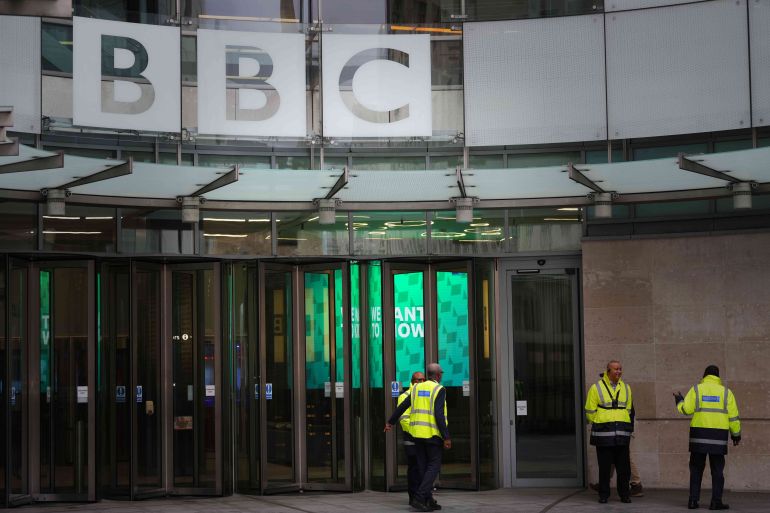
Donald Trump has initiated legal action against the British Broadcasting Corporation (BBC), alleging that the organization published or broadcast content that he claims is defamatory, misleading, or politically motivated.
The case centers on how the BBC reported on issues related to Trump, including his political activities, legal challenges, and personal conduct.
Trump argues that the BBC’s coverage crossed the line from journalism into advocacy, damaging his reputation among international audiences. The legal move reflects a broader pattern in which Trump has increasingly used litigation as a response to media criticism.
What triggered this dispute between Trump and the BBC?
The dispute reportedly stems from a series of BBC reports, documentaries, or interviews that examined Trump’s political record, legal exposure, and influence on democratic institutions. Trump’s legal team claims that specific statements or editorial framing were presented as facts while lacking sufficient balance or context.
From Trump’s perspective, the issue is not criticism itself, but what he describes as systematic bias and factual inaccuracies. The BBC, on the other hand, maintains that its reporting is based on editorial independence, public interest, and established journalistic standards.
Is this the first time Trump has taken legal action against media organizations?
No. Trump has a long history of threatening or pursuing legal action against media outlets, journalists, and publishers in both the United States and abroad. During his political career, he repeatedly accused major news organizations of spreading “fake news” and has framed media criticism as part of a broader political campaign against him.
Previous disputes involved American television networks, newspapers, social media platforms, and individual reporters. What makes the BBC case notable is that it targets a publicly funded international broadcaster with a strong reputation for global influence.
Why is the BBC a significant target in this case?
The BBC is one of the world’s most influential media organizations, reaching hundreds of millions of people across television, radio, and digital platforms. Its reporting carries particular weight outside the United States, where international audiences often rely on the BBC for context on American politics.
By challenging the BBC, Trump is not only contesting specific reports but also pushing back against what he views as a dominant global narrative about his political legacy and legal standing. A dispute with the BBC therefore has implications beyond a single outlet or jurisdiction.
What exactly does Trump claim is defamatory?
Trump’s legal arguments reportedly focus on allegations that the BBC presented unproven claims as established facts, failed to provide adequate balance, or selectively framed information in a way that implied wrongdoing beyond what has been legally established.
Defamation cases involving public figures are particularly complex. Trump must demonstrate that the statements were false, harmful, and made with a high degree of fault. His legal team argues that the BBC’s editorial choices meet this threshold, while the broadcaster strongly disputes this characterization.
How has the BBC responded to Trump’s legal action?
The BBC has rejected the allegations, stating that it stands by its journalism and editorial processes. The organization emphasizes that its reporting is guided by accuracy, impartiality, and the public interest.
In its response, the BBC has indicated that it will robustly defend itself in court if necessary. It has also reiterated that political figures, including Trump, are subject to scrutiny due to the impact of their actions on democratic institutions and international affairs.
Where is the legal case being pursued?
The jurisdiction of the case is a critical issue. Legal action against the BBC may be pursued in the United Kingdom, the United States, or potentially in another jurisdiction depending on where the alleged harm occurred and where the content was published or accessed.
UK defamation law differs significantly from US law. Historically, UK courts have been seen as more favorable to claimants, though reforms have strengthened protections for journalism and public interest reporting. Jurisdictional questions could therefore play a decisive role in the outcome.
How does defamation law differ between the US and the UK?
In the United States, public figures face a high bar in defamation cases. They must prove “actual malice,” meaning that the publisher knowingly published false information or acted with reckless disregard for the truth.
In the United Kingdom, the legal framework places a greater emphasis on reputational harm, although recent reforms require claimants to show serious harm and allow strong defenses for public interest journalism. These differences explain why international media disputes often raise complex legal questions.
Is this legal action part of Trump’s broader political strategy?
Many analysts view the case as consistent with Trump’s long-standing approach to media relations. By confronting major media institutions, Trump reinforces his message to supporters that he is fighting entrenched elites and hostile establishments.
Legal action can also serve as a signaling tool, deterring future coverage or encouraging more cautious reporting. Even if cases do not succeed in court, they can shape editorial decisions and public debate.
How could this case affect press freedom?
The case has reignited debates about press freedom and the limits of political criticism. Media organizations warn that aggressive legal tactics by powerful political figures could have a chilling effect on investigative journalism.
Supporters of Trump’s position counter that press freedom does not grant immunity from accountability and that media outlets must be held responsible for errors or bias. The outcome of the case may influence how international broadcasters assess legal risks when covering controversial political leaders.
What does this mean for international reporting on US politics?
If the legal action proceeds, it could set an important precedent for how international media cover American political figures. Foreign broadcasters may face increased scrutiny or legal exposure when reporting on US domestic issues that have global implications.
At the same time, the case highlights the growing internationalization of political communication. Statements made in one country can rapidly shape public opinion worldwide, raising questions about jurisdiction, standards, and responsibility.
Could the case lead to a settlement?
As with many high-profile media disputes, a settlement remains possible. Settlements can involve clarifications, corrections, or agreed statements without admission of wrongdoing.
However, given the political and symbolic significance of the dispute, both sides may prefer to pursue a court ruling rather than compromise. For Trump, a legal battle reinforces his narrative. For the BBC, defending its journalism is closely tied to its institutional credibility.
How are Trump supporters and critics reacting?
Trump’s supporters largely view the legal action as justified, arguing that global media organizations unfairly target him while ignoring similar issues involving other political figures. They see the case as a challenge to what they describe as ideological bias in international journalism.
Critics argue that the lawsuit is an attempt to intimidate journalists and undermine independent reporting. They warn that repeated legal threats against media organizations could weaken democratic accountability.
What are the possible outcomes of the case?
Several outcomes are possible. The court could dismiss the case on jurisdictional or legal grounds. It could rule in favor of the BBC, affirming protections for public interest journalism. Alternatively, it could find that specific statements were defamatory and award damages or require corrections.
Each outcome would carry broader implications for media law, political communication, and international reporting standards.
Why does this case matter beyond Trump and the BBC?
The dispute reflects a wider global tension between political power and media independence. As political leaders increasingly challenge unfavorable coverage, courts are becoming arenas where the boundaries of journalism are tested.
For international audiences, the case raises fundamental questions about who controls political narratives, how accountability is enforced, and where the line lies between criticism and defamation.
What should readers watch next?
Observers will closely monitor how courts handle jurisdiction, public interest defenses, and standards of proof. Reactions from other media organizations and press freedom groups may also shape the broader context.
Regardless of the outcome, the Trump–BBC legal dispute underscores the evolving relationship between politics, law, and global media in an era of heightened polarization and instant worldwide communication.


Similar news