What is driving the current US-Iran tensions


Tensions between United States and Iran have intensified due to a combination of military, political, and strategic factors. At the core of the confrontation lies a long standing rivalry shaped by regional influence, nuclear ambitions, and competing security doctrines.
In recent months, the situation has been aggravated by increased military deployments in the Middle East, including naval assets and air defense systems. Both sides are signaling readiness without openly committing to full scale war. The United States aims to deter Iran from expanding its regional footprint, while Iran seeks to demonstrate resilience and strategic depth.
RECOMMENDED STORIES
This phase reflects a delicate balance between deterrence and escalation, where actions are calibrated to avoid direct war but still assert dominance.
Why is escalation risk increasing now
The risk of escalation is rising because multiple pressure points are converging at the same time. Military build ups, proxy conflicts, and political rhetoric have all intensified simultaneously, creating a volatile environment.
One of the key drivers is the increasing frequency of indirect clashes. Iran aligned groups across the region have been involved in attacks on US interests, while the United States has responded with targeted strikes. These tit for tat actions increase the likelihood of miscalculation.
Additionally, the absence of active diplomatic engagement has reduced channels for de escalation. Without sustained negotiations, even minor incidents can spiral into broader confrontation.
What role does the Strait of Hormuz play in the crisis
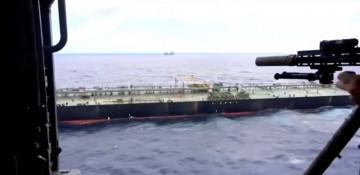
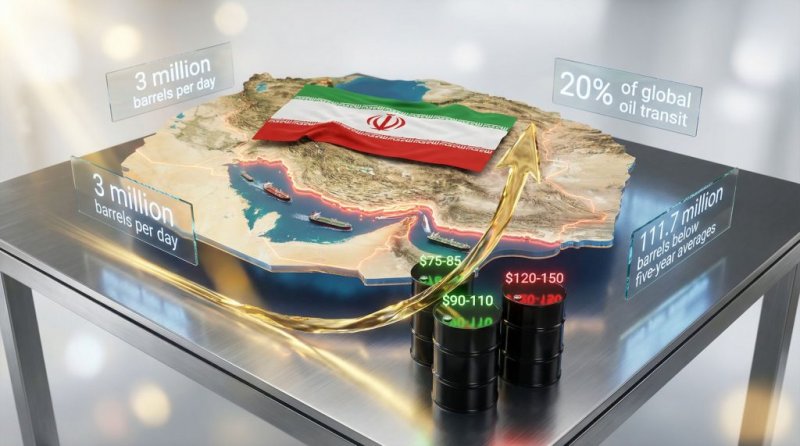
The Strait of Hormuz is one of the most strategically important waterways in the world. A significant portion of global oil exports passes through this narrow corridor, making it a critical artery for the global economy.
Any disruption in the Strait of Hormuz would have immediate and far reaching consequences. Oil prices could spike dramatically, shipping routes would be affected, and global supply chains would face significant strain.
Iran has historically used the threat of closing or disrupting the strait as a strategic lever. The United States, in turn, maintains a strong naval presence to ensure freedom of navigation. This makes the strait a focal point of tension and a potential flashpoint for escalation.
How are proxy groups shaping the conflict
Proxy actors play a central role in the dynamics of US Iran tensions. Iran has built a network of allied groups across the Middle East that extend its influence without direct confrontation.
One of the most prominent examples is the Houthi movement in Yemen, which has demonstrated the ability to target shipping routes and regional infrastructure. Similarly, Iran aligned militias in Iraq and Syria have carried out attacks against US bases and personnel.
For Iran, these groups provide strategic depth and plausible deniability. For the United States, they represent a persistent and unpredictable threat. The use of proxies complicates the conflict, making it less predictable and harder to contain.
What are the military capabilities of both sides
The United States possesses superior conventional military capabilities, including advanced air power, naval forces, and global strike capabilities. Its presence in the region is reinforced by alliances and access to strategic bases.
Iran, while not matching the United States in conventional strength, has developed asymmetric capabilities. These include ballistic missiles, drones, cyber warfare, and naval tactics designed for the confined waters of the Persian Gulf.
Iran’s strategy is not to defeat the United States in direct confrontation but to impose costs and create strategic dilemmas. This includes targeting critical infrastructure, disrupting shipping, and leveraging geography to its advantage.
Is a direct US Iran war likely
A full scale war between the United States and Iran remains unlikely in the immediate term, primarily due to the high costs and risks involved. Both sides understand that such a conflict would have devastating consequences not only for them but for the entire region.
However, the risk of limited conflict is significantly higher. This could take the form of targeted strikes, naval skirmishes, or localized ground operations. Such scenarios allow both sides to demonstrate strength while attempting to avoid uncontrollable escalation.
The challenge lies in managing these limited engagements without crossing thresholds that could trigger a broader war.
How would escalation impact global energy markets
Any escalation between the United States and Iran would have immediate implications for global energy markets. Oil prices are highly sensitive to geopolitical risk, particularly in the Middle East.
Disruptions in production or transportation could lead to sharp price increases. This would affect not only energy importing countries but also global inflation and economic stability.
Markets tend to react quickly to perceived threats, even before actual disruptions occur. As a result, the mere possibility of escalation can drive volatility.
What is the role of regional powers in this crisis
Regional actors are deeply involved in the dynamics of US Iran tensions. Countries in the Gulf, as well as Israel and Türkiye, have their own security concerns and strategic interests.
Some Gulf states support US efforts to contain Iran, while also seeking to avoid being drawn into direct conflict. Israel views Iran as a primary security threat and has taken actions to counter its influence.
These overlapping interests create a complex web of alliances and rivalries, making the situation more difficult to manage.
How does this affect global security
The implications of US Iran tensions extend far beyond the Middle East. The crisis affects global security by increasing uncertainty and raising the risk of broader conflict.
It also influences military planning, alliance structures, and defense spending in various regions. Countries are closely monitoring developments and adjusting their strategies accordingly.
In addition, the situation has implications for international law and norms, particularly regarding the use of force and freedom of navigation.
What role does diplomacy play in reducing tensions
Diplomacy remains one of the most effective tools for preventing escalation. However, current diplomatic efforts are limited and fragmented.
Past agreements, particularly those related to Iran’s nuclear program, demonstrated that negotiation is possible. Reviving or replacing such frameworks could help reduce tensions.
Confidence building measures, communication channels, and third party mediation are all critical components of de escalation. Without these, the risk of miscalculation remains high.
What scenarios could unfold next
Several scenarios are possible in the coming months. The most likely is continued low intensity confrontation, characterized by proxy attacks and limited military responses.
A second scenario involves a sudden escalation triggered by a major incident, such as a significant attack on infrastructure or military personnel. This could lead to a rapid cycle of retaliation.
A third scenario is gradual de escalation through renewed diplomatic engagement. While less likely in the short term, it remains a possibility if political conditions change.
Why does this crisis matter globally
The US Iran tensions are not just a regional issue. They have global implications for energy security, economic stability, and international relations.
The Middle East remains a critical region for global trade and energy supply. Any disruption can have ripple effects across the world.
Furthermore, the crisis highlights broader trends in international politics, including the use of asymmetric warfare, the role of regional powers, and the limits of deterrence.
Conclusion
The current phase of US Iran tensions is defined by uncertainty, strategic competition, and the constant risk of escalation. While a full scale war may be unlikely, the potential for limited conflict remains high.
Understanding the dynamics of this crisis requires looking beyond immediate events to the broader strategic context. Military capabilities, proxy networks, and geopolitical interests all play a role.
As the situation evolves, the balance between deterrence and escalation will continue to shape outcomes. The stakes are high, not only for the region but for the entire global system.
By Faig Mahmudov


Similar news