What makes Aryna Sabalenka a global star of modern tennis


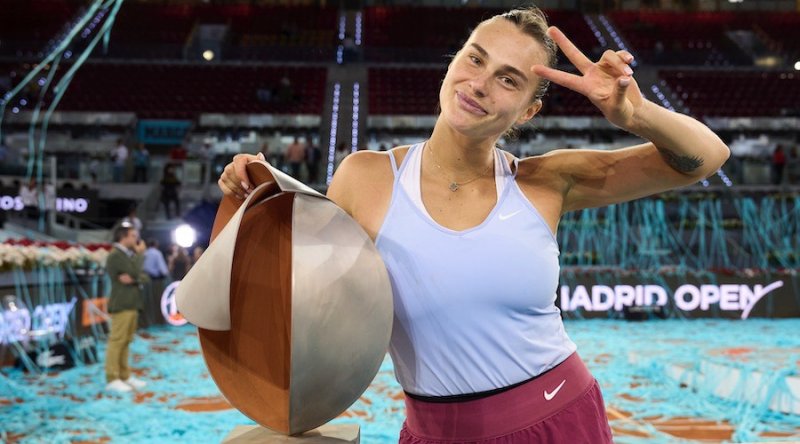
Aryna Sabalenka has emerged as one of the most formidable players in women professional tennis over the last decade.
Known for her powerful serve, relentless groundstrokes, and unyielding competitive spirit, Sabalenka represents a new archetype in the sport, a blend of raw power and growing tactical diversity. Her rise to the upper echelons of the game reflects years of disciplined development on the junior circuits, steady improvement on the professional tour, and an ability to adapt her game under pressure. As Sabalenka continues to compete at the highest level, media commentators and fans alike increasingly regard her not only as a perennial contender at Grand Slam tournaments but also as a defining personality in modern tennis.
Early life and introduction to tennis
Aryna Sabalenka was born in Minsk, Belarus, into a family that supported her athletic pursuits from a young age. Tennis entered her life at an early age when she began playing at local clubs. Demonstrating natural coordination, athleticism, and a competitive drive, Sabalenka quickly advanced through the ranks of junior tennis. Coached by dedicated mentors, she developed a powerful baseline game rooted in penetrating groundstrokes and an aggressive mindset. By her mid teens, she was already attracting attention in international junior tournaments for her ability to hit winners from seemingly defensive positions and her fearless approach to big points.
Transition to professional tennis
The transition from junior tennis to the professional level can be daunting, but Sabalenka navigated this phase with determination. Her early years on the professional tour were marked by steady progress rather than immediate breakthrough results. She learned to manage the physical demands of the tour, refine her serve technique, and develop greater consistency in her movement and shot selection. Gradually, her ranking climbed as she registered wins against increasingly higher ranked opponents. These experiences on smaller tournaments provided Sabalenka with the competitive seasoning necessary for success on the Women’s Tennis Association tour.
Breakthrough seasons and rise in rankings
Sabalenka’s breakthrough on the WTA tour came when she began to consistently advance to the later rounds of premier events. Her game was built around a formidable serve, often producing aces and unreturnable deliveries. Combined with powerful forehand and backhand strokes, she was capable of hitting through opponents on almost any surface. This power game, however, was complemented by a growing tactical awareness that allowed her to construct points intelligently rather than relying solely on brute force. With each tournament, Sabalenka’s confidence grew, and soon she was regularly seeded at major events.
Her breakthrough into the top tier of women’s tennis was not instantaneous but rather the result of sustained performance over multiple seasons. She posted deep runs at Grand Slams and WTA Tour events, demonstrating her readiness to compete with established champions. These results propelled her up the rankings and made her one of the most watched players on the circuit.
Style of play and strengths
Sabalenka is widely recognized for her aggressive baseline style, backed by one of the strongest serves in the women’s game. Her first serve routinely reaches high speeds and places opponents on the defensive right from the opening point. The force behind her groundstrokes allows her to hit winners from both the forehand and backhand sides, often dictating play with early strikes. Sabalenka’s athleticism enables her to chase down balls and recover well even when forced out of position.
Beyond pure power, her mental resilience has been a defining characteristic of her career. Sabalenka has shown an ability to regroup after setbacks in matches and maintain focus under pressure. This psychological strength has been evident in tiebreaks, long rallies, and pivotal moments where maintaining composure can determine the outcome of a match.
While her serve and ground game are consistently highlighted, Sabalenka’s movement and tactical awareness have improved significantly. Opponents who once could exploit short balls or defensive positions now find that Sabalenka can transition smoothly from power to placement, adjusting her shots based on match dynamics. This evolution highlights her commitment to continuous improvement and adaptability.
Grand Slam performances and major finals
Grand Slam tournaments represent the pinnacle of professional tennis, and Sabalenka’s performances at these events have solidified her status among the elite players. She has reached multiple semifinal and final rounds, demonstrating that her game can withstand the physical demands and mental rigors of best of three sets against the world’s best. Sabalenka’s deep runs at Grand Slams have brought her into the global spotlight, winning acclaim from commentators, analysts, and fans.
Each Grand Slam appearance further refines her experience and resilience. Playing under stadium lights in front of large crowds, Sabalenka has retained her competitive edge and delivered performances that reflect her growth as an athlete. These high pressure occasions not only test her skills but also provide opportunities for memorable matches that contribute to her legacy. While she continues to pursue Grand Slam titles, Sabalenka’s consistent presence in the latter stages of major tournaments signifies her ability to remain among the top contenders for years to come.
Impact on Belarusian tennis and global influence
Sabalenka’s success resonates beyond her individual achievements. She has become a source of inspiration for a generation of athletes in Belarus and across the world. Her journey from local clubs in Minsk to the center courts of Grand Slam events encourages young players to pursue professional tennis with ambition and dedication. Sabalenka’s prominence in the sport has spotlighted Belarusian tennis on the international stage and has encouraged increased interest and investment in training facilities, coaching programs, and youth development initiatives within her home country.
Furthermore, Sabalenka’s influence extends globally as she represents the new generation of women’s tennis stars characterized by power, athleticism, and mental toughness. Her matches are frequently highlighted in media coverage of premier tournaments, and her rivalries with other top players contribute to the wider narrative of competitive excellence that draws fans to tennis year after year.
Training regimen and physical preparation
Behind Sabalenka’s performance on court lies a rigorous training regimen designed to optimize her physical condition and refine her technical skills. Like elite athletes across sports, Sabalenka’s preparation involves a combination of on court practice drills, strength conditioning sessions, and strategic planning with her coaching team. Serving practice remains a focal point given its importance in her game, while footwork and agility drills ensure she maintains lateral quickness and balance during extended rallies.
Off court physical conditioning includes cardiovascular work, flexibility routines, and strength training aimed at preventing injuries and sustaining performance throughout long tournament weeks. Sports science support, including nutrition planning, recovery protocols, and mental conditioning, plays an important role in maintaining consistent peak performance levels. These elements combined reflect Sabalenka’s commitment to a holistic approach to her athletic development rather than reliance on natural talent alone.
Challenges and growth mindset
No athlete’s journey is without challenges, and Sabalenka has navigated her share of setbacks, losses, and periods of inconsistent form. Early in her career, these challenges provided opportunities for reflection and adjustment. Through working with her coaches and support staff, Sabalenka developed a growth mindset that views obstacles as a chance to refine weaknesses and emerge stronger. This perspective has allowed her to rebound from difficult losses, learn from tactical missteps, and address areas of her game that require attention.
The capacity to manage expectations, media scrutiny, and the physical demands of continuous travel is equally important. Sabalenka’s focus on her long term goals and her ability to compartmentalize short term frustrations has contributed to a balanced approach to competition. This mental resilience is a quality that separates good athletes from great ones and further reinforces her potential for a lasting legacy in the sport.
Contributions to women’s tennis and role model status
As Sabalenka’s stature in women’s tennis continues to grow, she increasingly embraces her role as a public figure and role model. Her conduct on and off the court reflects her professional values, commitment to fair play, respect for opponents, and engagement with fans. Sabalenka’s visibility in interviews, press events, and community outreach initiatives amplifies her voice and impact beyond match results.
Notably, she participates in promotional activities that support the growth of tennis among young athletes, especially girls who may see in her an example of what is achievable through discipline and perseverance. Sabalenka’s influence as a role model contributes to the broader mission of women’s sports to empower female athletes and expand opportunities for participation at all levels.
Future prospects and legacy building
Looking ahead, Sabalenka’s future in professional tennis appears poised for continuation among the sport’s elite. Her physical prime years, combined with accumulated experience, position her as a strong contender for additional titles, Grand Slam victories, and potential world number one rankings. The longevity of her career will hinge on her ability to maintain physical health, adapt to evolving playing styles, and manage the demands of a full tour schedule.
The concept of legacy in sports extends beyond wins and losses. Sabalenka’s impact will be measured by her consistency, her influence on upcoming players, and her contribution to the visibility and popularity of women’s tennis globally. She represents a generation of athletes who balance power, athleticism, and mental fortitude, creating compelling competition that attracts new fans and keeps long time followers engaged.
Conclusion
Aryna Sabalenka’s journey in professional tennis exemplifies the trajectory of a dedicated athlete who combines natural talent with disciplined development, mental resilience, and a commitment to continuous improvement. From her early days on the junior circuit to her current status as a top ranked player, Sabalenka has consistently demonstrated qualities that define elite competitors. Her powerful playing style, strategic growth, and positive influence on fans and aspiring athletes alike position her not only as a contender in the present but as a lasting figure in the sport.
With each season, Sabalenka builds on her legacy, a legacy that celebrates competitive excellence, the pursuit of personal best, and the inspiration she provides to the next generation of tennis players.
By Faig Mahmudov


Similar news