What triggered the current conflict?
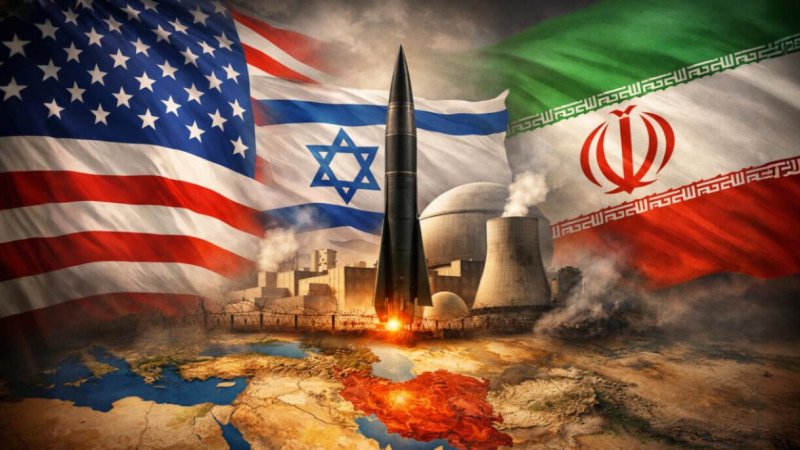
The latest escalation stems from a combination of long-standing tensions and recent military actions. Israel has for years expressed concerns over Iran’s military capabilities, particularly its missile programme and regional influence. The United States, under President Donald Trump, has aligned closely with Israel’s security objectives.
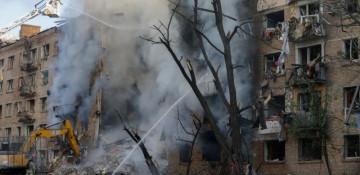
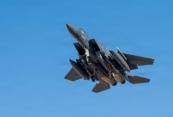
The situation intensified following coordinated strikes on Iranian-linked infrastructure, which Tehran described as acts of aggression. Iran responded by launching missile and drone attacks against US and allied targets in the region, marking a sharp escalation.
Unlike previous confrontations, this phase involves more direct engagement between state actors rather than proxy forces alone.
Is this a full-scale war or a limited conflict?
There is ongoing debate among analysts about how to classify the conflict. On one hand, the scale of military operations, including missile exchanges, air strikes and troop deployments, suggests a move toward a broader war.
On the other hand, both Washington and Tehran appear to be avoiding steps that would trigger a full-scale ground invasion or direct, sustained combat on each other’s territory.
Statements from the White House indicating a possible “winding down” of operations contrast with continued deployments and strikes, highlighting the ambiguity of the current phase.
Why is the Strait of Hormuz so important?
The Strait of Hormuz is one of the most critical chokepoints in the global energy system. Roughly a fifth of the world’s oil supply passes through this narrow waterway.
Any disruption to shipping in the strait can have immediate and severe effects on global oil prices. Since the conflict began, fears of closure or restricted access have driven volatility in energy markets.
Efforts by countries such as Bahrain and diplomatic initiatives led by the United Nations aim to ensure that the strait remains open, but risks remain high.
What is happening on the ground?
The conflict is unfolding across several regions simultaneously.
In the Gulf, Iran has launched missiles and drones targeting US bases and allied infrastructure. Regional countries including Saudi Arabia and Kuwait have reported intercepting incoming threats.
In Iraq, US diplomatic and logistical facilities have come under repeated attack. The security environment remains volatile, with ongoing rocket and drone strikes.
In the Indian Ocean, Iran attempted to strike the strategic base at Diego Garcia, although the attack did not cause damage.
Along Israel’s northern border, tensions with Hezbollah have intensified, with air strikes reported in Beirut and missile launches towards Israeli territory.
Why did the US ease sanctions on Iranian oil?
In a notable policy shift, the United States granted a temporary licence allowing Iran to sell approximately 140 million barrels of oil stored on tankers.
This move reflects concerns within the administration about rising energy prices and their impact on the domestic economy. High fuel costs can influence inflation, consumer spending and political sentiment, particularly ahead of elections.
By allowing additional oil into the market, Washington aims to stabilise prices while continuing to apply broader pressure on Tehran.
How are global oil markets reacting?
Energy markets have experienced significant volatility since the conflict began. Prices surged following initial strikes, driven by fears of supply disruption.
The partial easing of sanctions and diplomatic signals regarding the reopening of shipping routes have provided some relief. However, uncertainty remains a defining feature.
Analysts warn that any escalation affecting the Strait of Hormuz could lead to sharp price increases, potentially exceeding previous highs.
What role are regional countries playing?
Countries across the Middle East are navigating a delicate balance between security concerns and economic stability.
Bahrain has signalled willingness to support efforts to reopen key shipping routes, while others have focused on defensive measures, including intercepting missiles and drones.
The United Arab Emirates has faced direct warnings from Iran, highlighting the risk of broader regional involvement.
These dynamics underscore the complexity of the conflict, which involves not only primary actors but also a network of regional stakeholders.
What is Iran’s strategy?
Iran has framed its actions as defensive, emphasising its right to respond to external aggression. Its strategy appears to focus on demonstrating military capability while avoiding actions that could trigger overwhelming retaliation.
By targeting strategic locations such as bases and shipping routes, Iran aims to exert pressure without crossing thresholds that could lead to full-scale war.
At the same time, diplomatic signals, including potential allowances for shipping through the Strait of Hormuz, suggest a willingness to manage escalation.
What is the US strategy?
The United States is pursuing a dual-track approach, combining military pressure with economic and diplomatic measures.
Military operations are aimed at weakening Iran’s capabilities and deterring further attacks. At the same time, policy adjustments such as the temporary sanctions waiver indicate a pragmatic approach to managing global economic impacts.
Statements about potentially reducing military activity may reflect both strategic considerations and domestic political factors.
How is Israel involved?
Israel remains a central actor in the conflict, conducting strikes against Iranian-linked targets and responding to missile attacks.
The country views Iran as a primary security threat and has long sought to limit its military capabilities and regional influence.
Recent developments, including strikes in Lebanon and ongoing exchanges with Hezbollah, highlight the multi-front nature of Israel’s involvement.
What are the risks of escalation?
The risk of further escalation remains significant.
The presence of multiple actors increases the likelihood of miscalculation, meaning a single incident could trigger a broader response.
The involvement of critical infrastructure such as oil facilities and shipping routes raises the stakes for all parties.
Domestic political pressures in various countries may also influence decision-making, potentially leading to more aggressive actions.
How is the international community responding?
International organisations and governments are actively seeking to prevent further escalation.
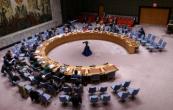
The United Nations has expressed readiness to facilitate negotiations and ensure safe passage through key waterways.
European countries, along with Japan and Canada, have called for de-escalation and stability in global energy markets.
Diplomatic efforts are ongoing, but achieving consensus among diverse stakeholders remains a challenge.
What impact is the conflict having on the global economy?
The economic effects are already being felt worldwide. Rising energy prices have increased costs for businesses and consumers, contributing to inflationary pressures.
Supply chain disruptions, particularly in shipping, have added to uncertainty in global trade.
Emerging economies, which are often more vulnerable to external shocks, face additional challenges in maintaining fiscal stability.
How are airlines and other industries affected?
The aviation sector has been particularly impacted by rising fuel costs. Airlines have responded by cutting less profitable routes and increasing ticket prices.
Other industries, including shipping and manufacturing, are also facing higher operating costs.
These developments highlight the interconnected nature of the global economy and the far-reaching consequences of geopolitical conflicts.
What could happen next?
Several scenarios are possible.
A gradual de-escalation driven by diplomatic efforts and mutual recognition of the costs of continued conflict.
A prolonged period of limited conflict characterised by intermittent strikes and ongoing tensions.
A broader escalation potentially involving additional countries and more extensive military operations.
The trajectory will depend on decisions made by key actors and the effectiveness of international diplomacy.
Conclusion
As the US–Israel–Iran conflict enters its fourth week, it remains a fluid and unpredictable situation with significant global implications.
While there are signs of efforts to manage escalation, ongoing military activity and geopolitical tensions continue to pose risks.
Understanding the dynamics of the conflict is essential for assessing its potential impact on security, energy markets and the global economy in the weeks and months ahead.