Who the ex Tractor player was and why his death shook Iran society


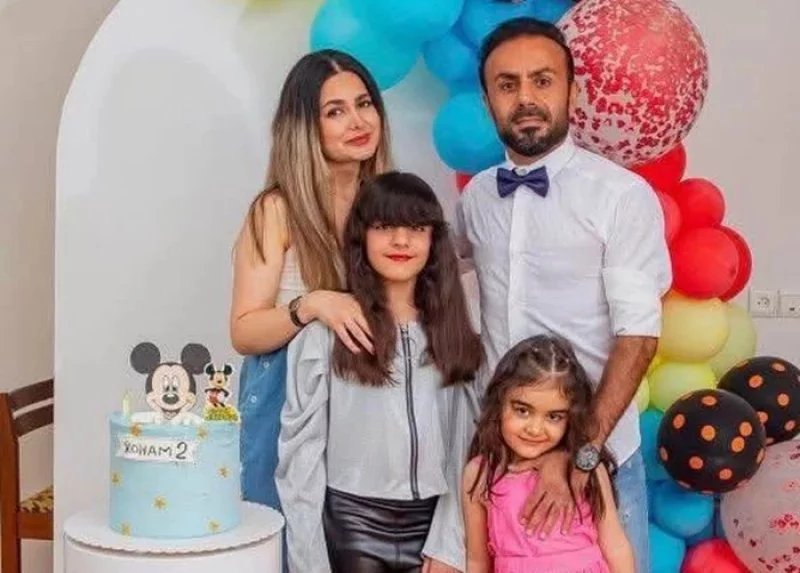
The killing of a former professional football player and his wife during protests in Iran has become a powerful symbol of the human cost of prolonged unrest, News.Az reports.
The deaths have resonated far beyond the sports community, touching on broader questions of civil rights, state authority, and the role of public figures during moments of national crisis. As protests continue to shape Iran social and political landscape, this tragedy stands as a reminder that unrest often reaches far beyond politics and into the lives of ordinary families.
The former player had once represented Tractor, one of the most followed football clubs in the country. Known for its passionate fan base and strong regional identity, Tractor has long been more than a sports institution. It has also served as a cultural and social reference point for many Iranians. The death of a former player connected to this club has therefore carried deep emotional weight.
Who the former Tractor player was
The footballer, Mojtaba Tarshiz, built his career in Iran domestic football leagues and was known as a disciplined midfielder during his playing years. Although he never reached global fame, he was respected among supporters and peers for his professionalism and commitment on the pitch.
After retiring from football, he lived a relatively quiet life away from the spotlight. Like many former athletes, he transitioned into civilian life, focusing on family and personal responsibilities. His identity as a former player, however, remained significant to fans who remembered his contributions to their club during important seasons.
His wife was not a public figure. She was known within her community primarily as a family member and citizen. Her death alongside her husband has reinforced the reality that protests in Iran have affected people regardless of profession, fame, or background.
How the incident unfolded
According to accounts shared by witnesses and community members, the couple were present in a public area where demonstrations were taking place. Protests had gathered momentum in several cities, drawing participants from different social groups including workers, students, and retirees.
During one such protest, security forces confronted demonstrators. In the chaos that followed, gunfire was reported. Both the former footballer and his wife were fatally shot. The circumstances surrounding the exact moments remain contested, but their deaths were confirmed shortly afterward.
The incident did not occur in isolation. It was part of a broader pattern of violence reported during periods of unrest. However, the presence of a known sports figure among the victims brought heightened attention to the event.
Iran protests and their broader context
Protests in Iran have repeatedly emerged over the years in response to economic pressure, social restrictions, and political grievances. Inflation, unemployment, and declining purchasing power have contributed to widespread frustration. For many citizens, daily life has become increasingly difficult, fueling anger and despair.
While initial demonstrations often begin with specific demands, they frequently evolve into broader expressions of discontent. In such environments, tensions between protesters and security forces tend to escalate quickly.
The protests during which the former Tractor player and his wife were killed followed this familiar trajectory. What began as public expression of dissatisfaction grew into confrontations marked by force and fear.
Why athletes appear in protest movements
Athletes occupy a unique position in Iranian society. Footballers in particular often come from working class backgrounds and maintain strong ties to local communities. Their visibility and popularity mean that their actions carry symbolic significance.
When athletes appear at protests, they are often seen as representatives of ordinary citizens rather than elite figures. Their presence signals that grievances are widespread and not limited to any single group.
In this case, the former footballer participation was interpreted by many as an act of solidarity with fellow citizens. His death therefore became a symbol not only of personal loss but also of the risks faced by those who choose to speak or stand publicly.
Reaction from the football community
The football community responded with shock and grief. Supporters of Tractor and fans of Iranian football more broadly shared messages of mourning and remembrance. For many, the loss felt deeply personal, as if a familiar face from their collective memory had been taken.
Former teammates and coaches expressed sorrow, emphasizing the human qualities of the player rather than his achievements on the field. The tragedy reminded many within the sports world that fame offers no protection during times of unrest.
Silence from official sports institutions also became a topic of discussion. Some observers questioned whether organizations had a moral responsibility to acknowledge the deaths of athletes during political crises.
Impact on public opinion
Public reaction extended far beyond sports circles. The image of a former athlete and his wife killed together resonated strongly with families across Iran. Many saw in the story a reflection of their own vulnerability.
Discussions online and in private gatherings focused on the sense that protests were no longer abstract political events but direct threats to personal safety. The deaths intensified fear but also strengthened resolve among some segments of society.
For others, the incident reinforced a desire for stability at any cost. This divergence in reactions highlighted the deep divisions within Iranian society over how change should be pursued.
The role of security forces
The use of lethal force during protests has long been a sensitive issue in Iran. Authorities argue that firm measures are necessary to maintain order and prevent chaos. Critics contend that such responses escalate tensions and lead to unnecessary loss of life.
The killing of a former footballer and his wife added urgency to debates about proportionality and accountability. While official explanations were limited, the absence of transparent investigation fueled skepticism and anger.
This lack of clarity has been a recurring feature in similar incidents, contributing to distrust between citizens and institutions.
Family tragedy and lasting consequences
Beyond politics and symbolism, the deaths left behind a family facing irreversible loss. The couple children were suddenly deprived of both parents. Their future now unfolds under the shadow of a national tragedy.
Such personal consequences often fade from headlines, yet they represent the most enduring impact of unrest. Families must navigate grief, trauma, and uncertainty long after protests subside.
Community members have described the children as victims of circumstances beyond their control, emphasizing the need to remember individual stories rather than abstract numbers.
What this means for Iranian society
The deaths of a former Tractor player and his wife illustrate how deeply unrest has penetrated everyday life in Iran. When individuals known for sports rather than politics become casualties, it signals a breakdown of boundaries between public dissent and private existence.
This incident has contributed to a growing sense that no segment of society remains untouched. From workers to artists to athletes, many Iranians now see themselves reflected in stories of loss.
Such moments often become reference points in collective memory. Years later, they are recalled not only for what happened but for what they revealed about society at that time.
Long term implications
In the long term, incidents like this shape narratives about legitimacy, resistance, and reform. They influence how future generations understand periods of unrest and how they judge the actions of institutions and individuals.
For the sports community, the tragedy raises questions about the responsibilities and risks faced by athletes even after retirement. For the broader public, it reinforces the high stakes involved in public expression.
Whether this event leads to policy changes or shifts in public behavior remains uncertain. What is clear is that it has already left a lasting mark on national consciousness.
Why this story continues to matter
The killing of a former footballer and his wife during protests is not just a news event. It is an evergreen reminder of how quickly social tension can turn deadly and how human lives become entwined with political struggles.
As Iran continues to navigate economic pressure and social change, stories like this remain relevant. They speak to universal themes of dignity, loss, and the cost of conflict.
Remembering such events is essential not to inflame division but to acknowledge reality. Only by confronting the human consequences of unrest can societies begin to imagine paths toward coexistence and stability.
Conclusion
The deaths of a former Tractor player and his wife during protests in Iran stand as a stark illustration of the human toll of prolonged unrest. Their story connects sports, family, and politics in a way that transcends headlines.
It reminds observers that behind every protest statistic lies a personal tragedy. As Iran future continues to unfold, this incident will remain a poignant example of how deeply national crises can cut into private lives.


Similar news