IEA to release record 400 million barrels amid Iran war supply fears


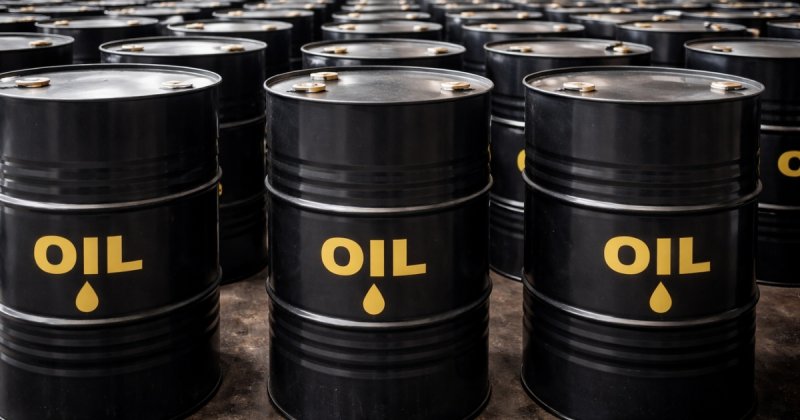
The International Energy Agency on Wednesday agreed to release 400 million barrels of oil to address the supply disruption triggered by the Iran war, the largest such action in the organization's history.
The IEA did not set out a timeline for when the stocks would hit the market. It said that the reserves would be released over a timeframe that is appropriate to the circumstances of each of its 32 member countries, News.Az reports, citing foreign media.
RECOMMENDED STORIES
IEA members are primarily advanced economies in Europe, North America and Northeast Asia. The organization is tasked with maintaing global energy security. It was founded in 1974 in response to the oil embargo imposed by Arab producers over U.S. support for Israel during the 1973 Arab-Israeli war.
"The conflict in the Middle East is having significant impacts on global oil and gas markets, with major implications for energy security, energy affordability and the global economy for oil," IEA Executive Director Fatih Birol said in remarks broadcast from the group's headquarters in Paris.
"I can now announce that IEA countries have unanimously decided to launch the largest ever release of emergency oil stocks in our agency's history," Birol said. IEA members currently hold more than 1.2 billion barrels of public emergency oil stocks, with a further 600 million barrels of industry stocks held under government obligation.
The IEA chief said the release is designed to address the immediate impacts of the supply disruption. But tanker traffic must resume through the Strait of Hormuz to bring stable oil and gas flows back to the global market, Birol said.
The Strait is a narrow maritime corridor off Iran's coast that connects the Persian Gulf and the Gulf of Oman. Roughly 20% of global oil and gas usually passes through it. Tanker traffic through the Strait has ground to a standstill as shippers fear attacks by Iran.
Earlier in the day, Japanese Prime Minister Sanae Takaichi said the country intended to release oil stockpiles from its national reserves as early as next week, citing an "exceptionally high level of dependence" on the Middle East.
By Ulviyya Salmanli


Similar news