Who was Catherine O'Hara?


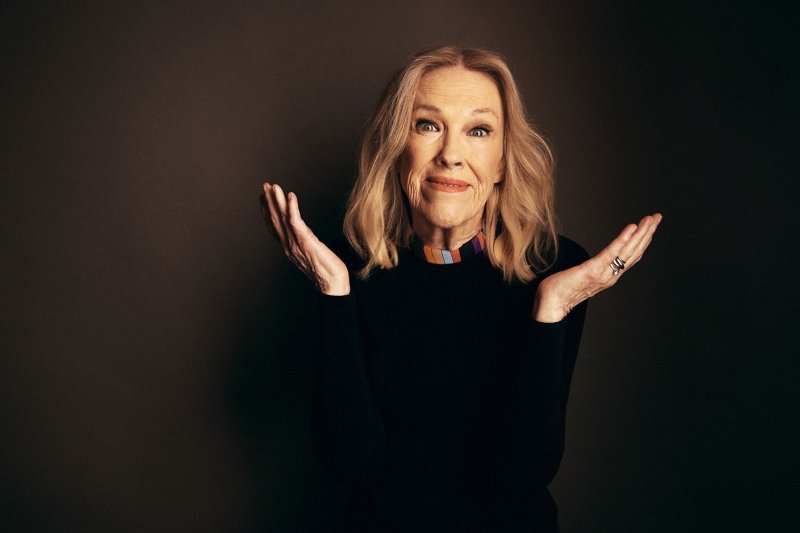
Catherine O'Hara occupies a singular place in modern screen culture. For decades she has demonstrated that comedy can be precise without being cruel and flamboyant without losing emotional truth, News.Az reports.
Her work spans sketch comedy film satire family cinema and prestige television yet it remains unified by an instantly recognizable sensibility. She is an actor who treats laughter as a serious craft and character as the foundation of every joke. This evergreen profile explores how O'Hara built a career that feels timeless while remaining surprisingly contemporary. It examines her early influences her breakthrough years her creative partnerships and the cultural impact of roles that continue to resonate with audiences across generations.
Early life and formative influences
Catherine O'Hara was born in Canada and raised in a large family where observation and quick wit were everyday tools. From an early age she displayed a knack for mimicry and voice modulation skills that would later become central to her acting identity. Rather than aiming for stardom she gravitated toward ensemble performance where listening mattered as much as speaking. This instinct would define her career choices and shape her reputation as a generous scene partner.
Her training was not traditional in the conservatory sense. Instead it emerged from improvisational spaces where performers learned to trust intuition timing and group chemistry. O'Hara absorbed lessons about rhythm and restraint learning when to push a moment and when to pull back. These foundations prepared her for the demanding pace of live sketch comedy and for the subtle calibrations required by film acting.
The Second City and the birth of a comic voice
O'Hara became a core member of the Toronto branch of The Second City an institution that has launched many influential comedians. Within this environment she refined a style that balanced bold character choices with disciplined control. She did not rely on punch lines alone. Instead she built humor through behavior posture vocal patterns and emotional contradictions.
Working night after night with a rotating cast sharpened her instincts. Improvisation taught her to respond rather than to anticipate which kept performances alive and unpredictable. These years also fostered lifelong creative relationships that would later shape her most celebrated film work. The emphasis on collaboration helped O'Hara avoid the trap of one note comedy and instead cultivate a versatile toolkit.
Breakthrough on television sketch comedy
National exposure arrived when O'Hara joined the cast of the Canadian television series SCTV. The show became a laboratory for satire and character comedy and it suited her perfectly. She created a gallery of memorable personas each defined by specific physical and vocal choices. Her characters often carried an undercurrent of sincerity which made the satire sharper rather than softer.
On SCTV O'Hara demonstrated range that few sketch performers achieve. She could parody celebrity culture one moment and inhabit a melancholic dreamer the next. This flexibility distinguished her from peers and caught the attention of filmmakers who valued actors capable of sustaining character over longer narratives.
Transition to film and the art of ensemble satire
Film offered O'Hara new challenges and opportunities. She gravitated toward ensemble driven projects that valued improvisation and character depth. Her collaborations with director Christopher Guest became especially influential. These films blended scripted structure with improvised dialogue creating a naturalistic comic tone.
In films like Best in Show and A Mighty Wind O'Hara crafted characters that felt both absurd and painfully human. She approached them with empathy even when their vanity or delusion was the source of humor. This approach invited audiences to laugh while recognizing pieces of themselves. It also reinforced O'Hara reputation as an actor who could elevate a scene without dominating it.
Mainstream recognition through family cinema
While satire showcased her versatility mainstream family films introduced O'Hara to a global audience. Her role as the anxious but loving mother in Home Alone became iconic. She infused what could have been a stock character with genuine urgency and warmth. The comedy worked because the emotional stakes felt real.
This performance demonstrated O'Hara ability to anchor broad comedy with sincerity. It also revealed her skill at modulating energy to fit different genres. She could play heightened emotion without slipping into caricature. For many viewers this role served as an entry point into her wider body of work.
Voice work and animated storytelling
O'Hara talents extend beyond live action. Her voice performances in animated films reveal meticulous attention to cadence and character psychology. Without physical expression she relies on tone timing and texture to convey personality. These skills translate seamlessly from her sketch background.
Voice acting also highlights her adaptability. She can inhabit fantastical worlds while maintaining emotional truth. This versatility underscores a broader pattern in her career. She chooses projects that value character first regardless of medium.
Reinvention and late career renaissance
Many performers struggle to redefine themselves later in their careers. O'Hara instead experienced a renaissance that introduced her to new audiences. The television series Schitts Creek became a cultural phenomenon and her portrayal of Moira Rose stands as one of her most celebrated achievements.
Moira is flamboyant theatrical and emotionally guarded yet O'Hara renders her sympathetic. Through precise diction exaggerated gestures and unexpected vulnerability she constructs a character who evolves over time. The performance earned critical acclaim and awards but more importantly it demonstrated how comedy can sustain long form character development.
Craftsmanship and acting philosophy
O'Hara often speaks about the importance of listening on screen. Comedy she believes emerges from truthful reaction rather than forced humor. This philosophy explains why her performances feel grounded even at their most extravagant. She builds characters from the inside out starting with emotional logic and allowing humor to arise organically.
Preparation plays a central role in her process. She studies accents rhythms and physical habits with the rigor of a dramatic actor. Improvisation then becomes an extension of that preparation rather than a replacement for it. This balance allows spontaneity without sacrificing coherence.
Influence on contemporary comedy
Catherine O'Hara influence can be seen in a generation of performers who blend irony with empathy. Her work demonstrates that satire does not require cynicism. By treating characters with respect she expands the emotional range of comedy.
Younger actors frequently cite her as a model for longevity and integrity. She shows that it is possible to navigate industry shifts while remaining true to personal taste. Her career encourages patience collaboration and a focus on craft over celebrity.
Cultural impact and audience connection
What makes O'Hara endure is not just talent but connection. Audiences recognize something authentic in her work whether she is portraying a panicked parent a delusional artist or an eccentric socialite. She captures the contradictions of human behavior with affection rather than judgment.
Her characters often exist on the margins of confidence. They project authority while concealing insecurity. This dynamic resonates widely and gives her comedy emotional depth. It also explains why her performances age well. They reflect enduring human patterns rather than topical jokes.
Awards recognition and critical respect
Over the years O'Hara has received numerous honors celebrating both individual performances and career achievement. These accolades reflect industry respect for her consistency and innovation. Yet awards have never defined her trajectory. She continues to choose projects based on creative interest rather than prestige alone.
This selective approach contributes to her evergreen appeal. Viewers can revisit her work from different eras and find it cohesive rather than fragmented. Each role feels like part of a larger conversation about character and comedy.
Beyond comedy dramatic depth
Although best known for comedy O'Hara has also delivered compelling dramatic performances. These roles reveal a quieter intensity and emotional nuance. They challenge assumptions about comedic actors and reinforce the idea that strong comedy often emerges from dramatic truth.
Her dramatic work benefits from the same listening skills that define her humor. She responds authentically to scene partners allowing moments to breathe. This restraint enhances credibility and expands her artistic range.
Legacy and future outlook
Catherine O'Hara legacy rests on transformation. She continually reinvents herself without abandoning core principles. As the entertainment landscape evolves her adaptability positions her to remain relevant. Whether in film television or voice work she approaches each opportunity with curiosity and discipline.
Her career offers a blueprint for sustainable artistry. It emphasizes collaboration preparation and respect for audiences. In an era of rapid turnover O'Hara stands as a reminder that longevity is built through craft and care.
Conclusion
Catherine O'Hara represents the highest standard of comic acting. She balances precision with playfulness empathy with exaggeration and discipline with spontaneity. Her work spans generations yet remains cohesive because it is rooted in character truth. As audiences continue to discover and rediscover her performances her influence only deepens. She is not merely a comedian or an actress. She is a master of transformation whose art continues to enrich popular culture.
By Faig Mahmudov


Similar news