Global fuel crisis: Oil prices surge over 40% since the Iran conflict started


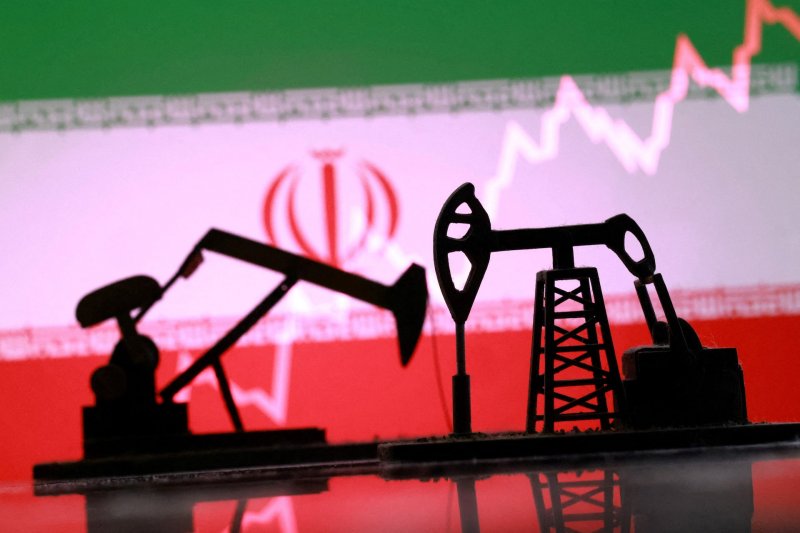
Global oil markets have responded dramatically to the increase in military strikes against Iran.
The price of Brent crude has jumped by roughly 42% since the start of U.S. and Israeli attacks on the country, News.Az reports, citing foreign media.
RECOMMENDED STORIES
The international benchmark climbed to USD 103.14 per barrel, compared with USD 72.48 recorded on February 27. Even the recent decision by the International Energy Agency to release a massive 400 million barrels of oil from strategic reserves, the largest such move in its history, has not been enough to stop the upward pressure on prices. Over the past week alone, oil prices have increased by about 11%.
American crude has also moved higher. U.S. light crude rose by 1.1%, reaching USD 96.82 per barrel, after the U.S. Department of Energy announced that it would release 172 million barrels from the country’s strategic petroleum reserve. Despite these efforts to stabilize the market, the conflict has already pushed global energy costs significantly higher.
Two weeks after the outbreak of the war involving Iran, the consequences are becoming increasingly visible at fuel stations around the world. Across Europe, prices are rising rapidly, while in Bulgaria the increase has so far been slower and more gradual. Since the beginning of the conflict, natural gas prices have surged by around 50%, while oil prices have climbed approximately 27%. According to estimates, just ten days of fighting have already cost European taxpayers an additional three billion euros due to higher spending on fossil fuel imports.
In the United States, motorists are already feeling the impact. Gasoline prices have been climbing for 13 consecutive days, despite the country being the world’s largest producer of oil and natural gas. The national average price for regular gasoline has reached USD 3.60 per gallon, or roughly 95 cents per liter, which represents an increase of more than 20% compared with a month earlier. For drivers of larger vehicles, the difference is noticeable. A popular pickup truck with a 36-gallon tank now costs about USD 22 more to fill after a 62-cent increase per gallon. The rise in fuel prices is also becoming politically sensitive, with some gas stations displaying stickers reading “This is what you voted for.” In reaction to the higher costs, some supporters of Donald Trump have reportedly removed “Make America Great Again” stickers from their cars as a form of protest. Many Americans say the rising prices are becoming increasingly difficult to bear.
The United Kingdom is also experiencing a sharp surge in fuel costs. Petrol and diesel prices there have reached their highest levels in more than a year. Within a single week, prices have increased by over 10 pence per litre, the largest jump since the energy crisis linked to the war in Ukraine. In some cases, petrol stations have been updating prices daily and occasionally closing temporarily due to supply shortages. The average price of petrol has risen by nearly seven pence per litre, while diesel prices have climbed even more steeply. For British families, filling a standard car tank now costs around £6 more than before. As a result, the British Automobile Association has begun advising drivers to reduce fuel consumption by driving more smoothly and avoiding sudden acceleration and braking.
Across the European Union, fuel costs are also rising quickly. According to data from the European Commission, Germany currently leads the bloc in terms of price increases. There, fuel prices have already exceeded the psychological threshold of two euros per litre. German drivers have expressed frustration at the situation, though many say they feel powerless to change it. Economy Minister Katharina Reiche announced that Germany intends to release part of its national oil reserves to ease pressure on the market. She also revealed plans to introduce rules limiting how often petrol stations can raise their prices, following a model used in Austria. Under the proposal, stations would only be allowed to increase prices once per day, although they could lower them at any time. However, the measure still requires legislative approval before it can take effect.
France is facing similar pressures. Fuel prices there have also crossed the two-euro-per-litre mark, and diesel in some areas has reached as much as 2.30 euros per litre. As costs climb, many drivers are choosing to leave their cars at home. French Finance Minister Roland Lescure said that the increase reflects global market dynamics, particularly the sharp rise in refined diesel prices worldwide. For motorists traveling long distances, the difference is already noticeable. A round trip along the well-known “Highway of the Sun,” the roughly 1,000-kilometre route connecting Paris and Nice, now costs between 25 and 30 euros more in fuel than before the conflict began.
French authorities have ruled out introducing new subsidies to offset the rising prices. The governor of the Bank of France said the country simply cannot afford further state support. As a result, a new trend is emerging, especially in border regions, where French drivers are crossing into neighboring countries such as Belgium, Spain and Italy in search of cheaper fuel. This phenomenon is increasingly being described as “fuel tourism.”
The same pattern is visible in Bulgaria, particularly near the Romanian border. In the town of Durankulak, Romanian drivers frequently cross the border to refuel, often filling large containers with gasoline. According to employees at local gas stations, this has been common practice even before the current conflict. In Romania, fuel prices have risen by around 30 cents per litre in the past week alone, making Bulgarian fuel comparatively cheaper.
So far, the rise in prices in Bulgaria has been more moderate than in many other European countries. Analysts attribute this to the country’s supply routes. According to Tsvetomir Nikolov from the Center for the Study of Democracy, more than 80% of Bulgaria’s crude oil imports come from Kazakhstan, meaning they do not pass through the Middle East or the strategically sensitive Strait of Hormuz. In Western Europe, by contrast, the supply structure is different, which partly explains the sharper price increases seen in countries such as Spain and Germany.
Despite the relatively milder impact for now, experts warn that the situation could change quickly if the conflict escalates further. If tensions continue to grow, global oil markets are likely to face even stronger pressure, which would inevitably translate into higher fuel prices for consumers around the world. Nikolov cautioned that without a resolution to the crisis, the upward trend in fuel costs could intensify in the coming weeks.
By Ulviyya Salmanli


Similar news