Why did Kazakhstan miss its oil production target in early 2026?


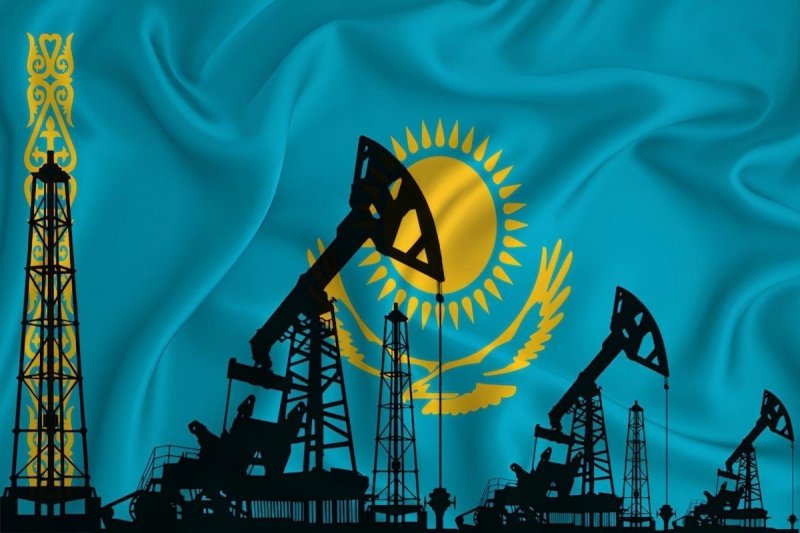
Kazakhstan failed to meet its planned oil production target by around 5 million tons during the first four months of 2026, according to Deputy Prime Minister and Minister of National Economy Serik Zhumangarin.
RECOMMENDED STORIES
The shortfall was mainly linked to disruptions involving the Caspian Pipeline Consortium and the giant Tengiz oil field, both of which are critical to Kazakhstan’s energy exports and overall economic performance.
Despite the decline in oil output, Kazakh authorities say the country’s non resource sectors continued to grow and helped sustain overall economic expansion.
What caused the oil production shortfall?
Kazakhstan cited two major factors behind the missed target:
-
Disruptions affecting the Caspian Pipeline Consortium
-
Problems or reduced output at the Tengiz oil field
The Caspian Pipeline Consortium, often known as CPC, is one of the most important export routes for Kazakh crude oil. It transports oil from Kazakhstan to Russia’s Black Sea coast for shipment to international markets.
Any interruption involving the pipeline can directly affect export capacity, production planning, and state revenues.
The Tengiz field is one of the world’s largest oil fields and represents a major pillar of Kazakhstan’s energy industry. Even temporary operational disruptions at Tengiz can significantly impact national production figures.
How important is oil to Kazakhstan’s economy?
Oil remains one of the foundations of Kazakhstan’s economy.
The country is Central Asia’s largest economy and one of the world’s significant oil producers. Revenue from crude exports plays a major role in:
-
State budget revenues
-
Foreign currency earnings
-
Investment inflows
-
Economic growth
-
Infrastructure development
Because of this dependence, fluctuations in oil production can quickly influence national economic performance.
How much did Kazakhstan’s economy grow?
According to Kazakhstan’s Bureau of National Statistics, the country’s GDP grew by 3.6 percent year on year during January to April 2026.
Officials stated that if planned oil production levels had been achieved, economic growth would likely have exceeded 6 percent during the same period.
This highlights the substantial role the energy sector continues to play in the country’s broader economic activity.
Why is the Caspian Pipeline Consortium so important?
The Caspian Pipeline Consortium is the primary export route for much of Kazakhstan’s crude oil.
The pipeline system connects oil fields in Kazakhstan to the Russian Black Sea port of Novorossiysk, allowing shipments to global markets.
The route is strategically important because:
-
It handles a large share of Kazakhstan’s exports
-
It connects Central Asian energy supplies to Europe and other markets
-
It is critical for government revenue
-
International oil companies rely on it for transportation
Disruptions can occur because of technical failures, maintenance, weather conditions, geopolitical tensions, or infrastructure damage.
What is the Tengiz oil field?
The Tengiz oil field, located in western Kazakhstan near the Caspian Sea, is one of the largest and deepest oil fields in the world.
It is operated by Tengizchevroil, a consortium led by major international energy companies including Chevron Corporation.
Tengiz is considered vital because:
-
It contributes a major share of Kazakhstan’s oil output
-
It attracts billions of dollars in foreign investment
-
It supports export revenues and employment
-
It is central to Kazakhstan’s long term energy strategy
Production issues at Tengiz therefore have nationwide economic consequences.
How is Kazakhstan trying to reduce dependence on oil?
Kazakh officials emphasized that growth in non resource sectors helped offset the impact of weaker oil production.
According to Serik Zhumangarin, sectors showing growth included:
-
Manufacturing
-
Construction
-
Trade
For years, Kazakhstan has attempted to diversify its economy to reduce vulnerability to oil price shocks and production disruptions.
Key diversification priorities include:
-
Industrial development
-
Logistics and transport
-
Agriculture
-
Digital economy initiatives
-
Renewable energy
-
Regional trade expansion
The latest figures are being presented by officials as evidence that non oil sectors are becoming more resilient.
Why does diversification matter for Kazakhstan?
Heavy dependence on oil exports can expose economies to major risks, including:
-
Volatile global oil prices
-
Supply disruptions
-
Geopolitical tensions
-
Currency instability
-
Budget pressures
Diversification helps countries maintain economic stability even when energy markets weaken.
Kazakhstan has long promoted the development of non energy industries to create a more balanced economy.
Could the oil shortfall affect global energy markets?
Kazakhstan is an important oil exporter, especially for European and Asian markets. However, a 5 million ton shortfall over several months is unlikely by itself to cause major global supply shocks.
Still, the situation matters because:
-
Kazakhstan is part of wider Eurasian energy supply chains
-
Global markets remain sensitive to disruptions
-
Pipeline reliability affects investor confidence
-
Energy security concerns remain elevated worldwide
Any prolonged disruption at major export infrastructure could attract increased international attention.
What are the broader economic implications?
Lower oil production may affect:
-
Export revenues
-
Fiscal income
-
Currency stability
-
Investor sentiment
-
Energy sector employment
However, continued growth in manufacturing, trade, and construction could help cushion the impact.
Kazakhstan’s government appears eager to show that the economy can continue expanding even when oil production underperforms.
What happens next?
Attention will likely focus on:
-
Restoration of stable pipeline operations
-
Recovery of Tengiz production levels
-
Future GDP growth trends
-
Government diversification policies
-
Global oil market conditions
Investors and analysts will also monitor whether Kazakhstan can sustain non oil economic growth while stabilizing energy production in the coming months.
By Faig Mahmudov


Similar news