Why extreme weather events are no longer exceptions but a permanent policy challenge


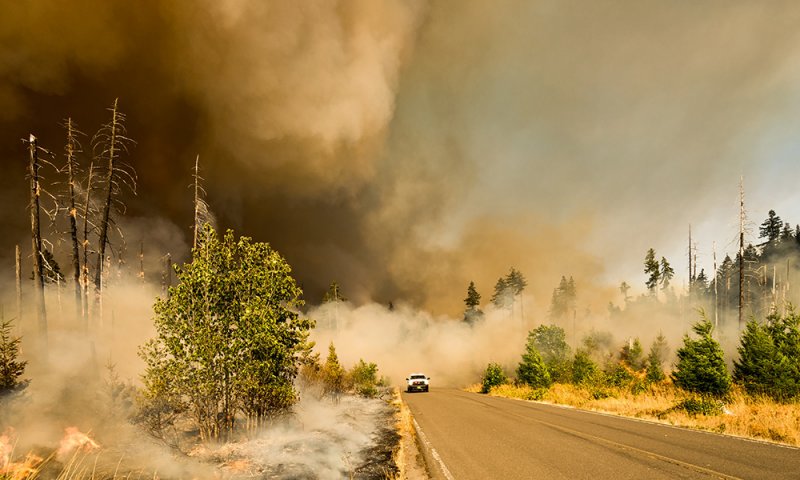
Extreme weather events have moved from being episodic crises to recurring features of everyday life, News.Az reports.
Heatwaves, floods, storms, droughts, and wildfires are no longer described as once-in-a-generation disasters but as seasonal expectations. Over the past week, global search interest and media discussion surged around extreme weather impacts and climate policy responses, driven by real-world emergencies affecting energy systems, food supply chains, infrastructure, and public safety.
What distinguishes the current phase is not the existence of extreme weather itself, but its growing frequency, intensity, and economic cost. Governments are increasingly forced to respond in real time while simultaneously rethinking long-term climate strategies. This dual pressure has turned extreme weather into one of the most structurally important themes shaping policy debates worldwide.
Why extreme weather now dominates public attention
Extreme weather captures attention because it is tangible and immediate. Unlike abstract climate targets or long-term emissions scenarios, floods destroy homes, heatwaves strain hospitals, and wildfires shut down entire regions. These events generate spikes in online searches as citizens seek information about safety, energy supply, insurance, and government response.
The psychological impact is equally significant. Repeated exposure to extreme events erodes the sense that such disasters are anomalies. Instead, they are increasingly perceived as systemic risks that affect daily life, from electricity bills to food prices.
How climate change amplifies weather extremes
Scientific consensus holds that climate change acts as a force multiplier for extreme weather. Rising global temperatures increase the atmosphere’s capacity to hold moisture, intensifying rainfall and flooding. Warmer oceans fuel stronger storms, while prolonged heat dries vegetation, raising wildfire risk.
These mechanisms explain why regions with very different climates are experiencing simultaneous extremes. Heatwaves in one area coincide with floods in another, stretching emergency response systems and international aid capacities. The result is a pattern of overlapping crises rather than isolated events.
Energy systems under strain
One of the most immediate consequences of extreme weather is stress on energy infrastructure. Heatwaves drive electricity demand to record levels as cooling systems operate continuously. At the same time, power plants and transmission networks face physical limits under extreme temperatures.
Cold snaps create a different but equally severe challenge, increasing heating demand and exposing vulnerabilities in gas and electricity networks. Flooding and storms can disrupt power generation and distribution entirely, leaving millions without electricity for extended periods.
These pressures have pushed energy security to the forefront of climate discussions, particularly in regions such as the European Union, where interconnected grids mean disruptions in one country can affect neighbors.
Food security and agricultural impact
Extreme weather has become a central threat to global food systems. Droughts reduce crop yields, floods destroy harvests, and unpredictable weather patterns complicate planting and harvesting cycles. Farmers face rising uncertainty, while consumers experience price volatility.
In many regions, repeated weather shocks are pushing agriculture toward structural change. Governments are investing in drought-resistant crops, improved irrigation, and climate-smart farming practices. However, adaptation measures take time, and short-term disruptions continue to reverberate through global markets.
The linkage between weather extremes and food prices explains why climate events increasingly influence inflation discussions alongside energy costs.
Urban vulnerability and infrastructure limits
Cities are particularly exposed to extreme weather. Dense populations, aging infrastructure, and limited green space amplify heat risks and flooding damage. Urban drainage systems designed for historical rainfall patterns struggle to cope with new extremes, while heat islands intensify temperature impacts.
Recent events have highlighted the cost of delayed adaptation. Roads buckle under heat, rail systems shut down, and hospitals face surges in heat-related illnesses. These failures are not merely technical; they reveal planning assumptions that no longer hold in a changing climate.
As a result, urban resilience has become a priority area for public investment, integrating climate considerations into transport, housing, and public health planning.
Why emergency response models are being reconsidered
Traditional emergency response systems were designed for occasional disasters, not continuous stress. Extreme weather is now testing these systems repeatedly, sometimes within the same season. Emergency services face resource exhaustion, while insurance systems struggle with mounting claims.
Governments are reassessing how they allocate resources, shifting from reactive disaster relief toward proactive risk reduction. Early warning systems, pre-positioned supplies, and community preparedness programs are gaining prominence as cost-effective alternatives to post-disaster reconstruction.
This shift reflects recognition that extreme weather is not a temporary challenge but a permanent condition requiring structural adaptation.
The insurance and financial risk dimension
Insurance markets provide a clear signal of changing risk perceptions. Premiums are rising in regions exposed to floods, wildfires, and storms, while coverage is being restricted or withdrawn altogether in high-risk areas. This trend has significant social and economic implications.
When insurance becomes unaffordable or unavailable, property values decline, investment slows, and inequality deepens. Governments face pressure to intervene, either by subsidizing insurance or acting as insurers of last resort.
Financial regulators are increasingly treating climate-related extreme weather as a systemic risk, integrating it into stress tests and long-term planning frameworks.
Why climate policy is shifting from mitigation to adaptation
For years, climate policy focused primarily on mitigation, reducing greenhouse gas emissions to limit future warming. While mitigation remains essential, extreme weather has accelerated the shift toward adaptation, adjusting societies to impacts that are already unavoidable.
Adaptation policies include flood defenses, heat-resilient buildings, water management systems, and climate-informed land-use planning. These measures are often expensive but deliver immediate benefits by reducing damage and saving lives.
The growing emphasis on adaptation reflects a pragmatic response to lived reality, even as mitigation efforts continue to shape long-term outcomes.
Political pressure and public expectations
Extreme weather events create political pressure that abstract climate debates do not. Citizens expect visible action when disasters strike, and governments are judged on their preparedness and response effectiveness. Failures can quickly erode public trust.
This dynamic is reshaping political narratives. Climate policy is increasingly framed not only as an environmental issue, but as a matter of national security, economic stability, and social resilience. Leaders who fail to address extreme weather risks face growing electoral consequences.
Global inequality and uneven exposure
Extreme weather does not affect all countries equally. Wealthier nations generally have greater capacity to adapt, while poorer regions face disproportionate damage with fewer resources. This imbalance has intensified debates over climate finance and international responsibility.
Developing countries argue that they bear the costs of a problem largely created by industrialized economies. Extreme weather events provide concrete evidence supporting these claims, strengthening calls for funding mechanisms focused on adaptation and loss compensation.
Why extreme weather is reshaping long-term planning
Perhaps the most profound impact of extreme weather is its effect on long-term decision-making. Infrastructure projects, urban expansion, and industrial investments are increasingly evaluated through a climate risk lens. What was once considered safe is now reassessed under new assumptions.
This shift marks a departure from historical planning models based on stable climate patterns. Governments and businesses must now plan for volatility as a baseline condition rather than an exception.
What comes next
Extreme weather events are likely to intensify further as global temperatures continue to rise. Even under optimistic emission reduction scenarios, adaptation demands will grow. Policymakers face difficult trade-offs between immediate spending and long-term resilience.
Technological innovation, improved forecasting, and international cooperation will play critical roles, but they cannot eliminate risk entirely. Managing extreme weather will remain an ongoing challenge rather than a solvable problem.
Conclusion
The surge in discussion and searches around extreme weather and climate policy reflects a fundamental shift in how societies understand risk. Extreme weather is no longer a distant warning of climate change; it is the lived experience shaping economic decisions, political priorities, and public expectations.
How governments respond will define their credibility and resilience in the years ahead. Climate policy is no longer only about preventing future harm, but about surviving present reality. In this context, extreme weather stands as one of the defining forces of the modern era, demanding sustained attention, investment, and adaptation long after the headlines move on.


Similar news