Why has the World Bank approved $450 million for Mozambique?


Mozambique has secured $450 million in financing from the World Bank through five new agreements aimed at strengthening the country's economy, social protection systems and resilience to future shocks.
The funding comes as the southeastern African nation continues to grapple with poverty, climate-related disasters and economic challenges linked to global instability, News.az reports.
Here is what the deal means and why it matters.
What has Mozambique agreed with the World Bank?
Mozambique and the World Bank have signed five financing agreements worth a combined $450 million.
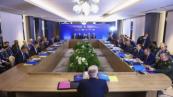
The funding will be directed towards several priority areas, including social protection, economic resilience, skills development, rural economic recovery and water security projects. The agreements were signed in Maputo by Finance Minister Carla Louveira and World Bank Managing Director Paschal Donohoe.
According to the government, the package is designed to accelerate development programmes while helping the country recover from recent economic and environmental shocks.
Why does Mozambique need this funding?
Mozambique faces multiple economic and social challenges that have slowed development and increased pressure on public finances.
The country remains one of the world's poorest nations despite possessing significant natural resources, including natural gas reserves. Large sections of the population continue to live below the poverty line, while access to quality healthcare, education and infrastructure remains limited in many areas.
In recent years, Mozambique has also been hit by a series of climate-related disasters, including cyclones, floods and droughts, which have damaged infrastructure, disrupted agricultural production and displaced thousands of people.
The government views the World Bank financing as critical to maintaining economic stability and supporting vulnerable communities.
How have climate shocks affected Mozambique?
Climate change is one of the biggest threats to Mozambique's economy.
The country is highly vulnerable to extreme weather events because of its long coastline and dependence on agriculture. Cyclones and floods regularly destroy homes, roads, schools and hospitals, while droughts reduce crop yields and threaten food security.
Officials say climate-related shocks earlier this year caused additional economic strain, requiring emergency government spending and slowing growth in affected regions.
The new financing package includes measures aimed at helping communities become more resilient to future climate disasters and reducing the economic impact of extreme weather events.
What role has the Middle East conflict played?
Mozambican officials have cited the economic impact of the conflict in the Middle East as one reason behind the need for additional support.
Conflicts in major energy-producing regions often affect global fuel prices, transportation costs and supply chains. Higher energy and import costs can place significant pressure on developing economies that depend heavily on imported goods and fuel.
For countries like Mozambique, external economic shocks can contribute to inflation, increase government spending requirements and slow investment activity.
The World Bank funding is partly intended to help Mozambique manage these external pressures while maintaining economic recovery efforts.
Which sectors will benefit from the funding?
The financing package targets several strategic sectors.
Social Protection
Part of the funding will strengthen programmes designed to support vulnerable households, including low-income families affected by economic hardship or climate-related disasters.
Economic Transformation and Skills Development
Mozambique aims to improve workforce skills and create conditions for stronger private-sector growth. Officials hope these investments will generate employment opportunities and help diversify the economy.
Rural Economic Recovery
Many rural communities remain vulnerable to poverty and natural disasters. Funding will support emergency response mechanisms and projects aimed at strengthening rural livelihoods.
Water Security
Access to clean and reliable water remains a challenge in many rural areas and smaller cities. The agreements include funding for water infrastructure and safety improvements to expand access and improve public health outcomes.
Why is the World Bank supporting Mozambique now?
The financing is linked to the World Bank's new Country Partnership Framework for Mozambique.
The framework identifies poverty reduction, economic resilience, human capital development and climate adaptation as key priorities for cooperation between the World Bank and the Mozambican government.
International financial institutions increasingly view resilience-building as essential for long-term development, particularly in countries facing repeated climate and economic shocks.
By investing in these areas, the World Bank hopes to help Mozambique build a stronger and more sustainable foundation for future growth.
How is this financing different from traditional aid?
According to Finance Minister Carla Louveira, the funding package was designed outside traditional cooperation mechanisms.
This approach allows for faster disbursement of funds and quicker implementation of projects. Governments often seek such arrangements when immediate action is required to address economic challenges or support recovery efforts.
The accelerated structure is intended to ensure that resources reach priority sectors more rapidly and contribute to economic recovery without lengthy administrative delays.
Will the funding help reduce poverty?
Reducing poverty is one of the central objectives of the agreements.
Mozambique continues to face high poverty rates, particularly in rural areas where access to services and employment opportunities is limited. By strengthening social protection programmes, improving infrastructure and supporting economic growth, the government hopes to improve living standards and create more opportunities for vulnerable populations.
The success of these efforts, however, will depend on effective implementation, transparency and the government's ability to ensure that funding reaches intended beneficiaries.
What challenges could affect the success of the programme?
While the financing package offers significant opportunities, several challenges remain.
Mozambique must ensure strong governance and accountability in the use of funds. Previous concerns about debt management and public-sector transparency have raised questions among some international partners about implementation capacity.
In addition, climate risks, global economic uncertainty and security challenges in parts of the country could complicate development efforts.
Experts say the effectiveness of the programme will ultimately depend on how efficiently projects are executed and whether reforms accompany investment spending.
What does the agreement mean for Mozambique's future?
The $450 million financing package represents a major vote of confidence in Mozambique's development agenda.
The agreements provide resources to address immediate economic pressures while investing in long-term priorities such as resilience, infrastructure, skills development and poverty reduction.
For Mozambique, the challenge now is to translate financial support into measurable improvements in living standards, economic growth and social stability. If implemented successfully, the programme could help strengthen the country's ability to withstand future shocks and support more inclusive development in the years ahead.
By Faig Mahmudov


Similar news