Why iPhone 17 rumors are driving worldwide tech excitement and buzz


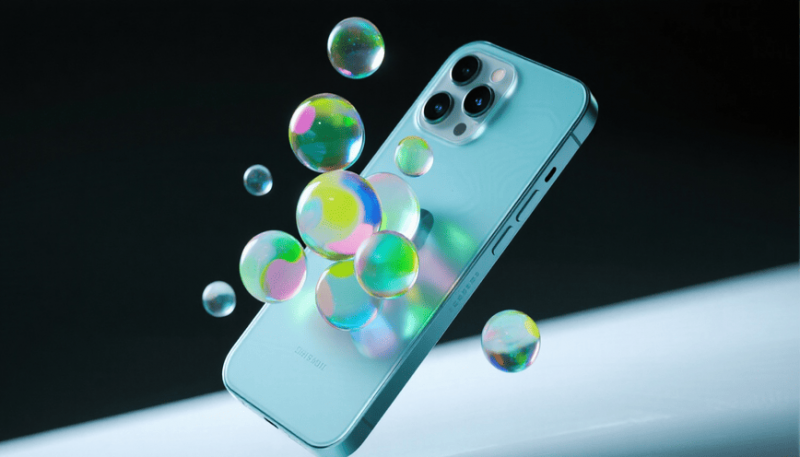
Few technology topics ignite as much global curiosity as the next iPhone, News.Az reports.
Even though Apple maintains strict secrecy around upcoming devices, speculation, supply-chain hints, analyst forecasts, and patent filings ensure that the rumor cycle never really stops. Recently, the conversation has accelerated around one name in particular: the iPhone 17. Searches have surged, social media discussions have multiplied, and tech analysts are already positioning the device as a potential turning point for Apple’s smartphone strategy.
This is an evergreen look at why the iPhone 17 is already drawing so much attention, what the rumors suggest, how it fits into Apple’s long-term roadmap, and why consumers and competitors alike treat every new iPhone generation as a barometer for where the mobile industry is heading.
Why people are already searching for iPhone 17
There are three main drivers behind the global rise in searches connected to the iPhone 17.
First, the iPhone remains the world’s most influential consumer technology product. Even users who prefer other ecosystems follow Apple announcements closely because the company has a history of triggering industry-wide shifts. Removal of the headphone jack, the introduction of biometric authentication, and the shift toward custom silicon all began on iPhone before spreading elsewhere.
Second, smartphone innovation has been perceived by some consumers as slowing down in recent years. While each generation delivers improvements in processing power, battery life, and camera performance, many users now upgrade less frequently. This encourages speculation that Apple may be preparing a more substantial leap to reignite excitement.
Third, Apple has been steadily investing in new platform-level technologies such as on-device artificial intelligence, augmented reality, and advanced materials. These long-term initiatives fuel curiosity about when and how they will fully mature inside the iPhone line. Rumors around the iPhone 17 often centre on these broader strategic themes.
Rumored design and hardware changes
Although nothing is confirmed until Apple announces it, several recurring rumor clusters reflect where analysts think Apple is heading.
One key theme is weight and materials. Apple has experimented with titanium to reduce weight while increasing durability. Some reports suggest the iPhone 17 lineup may further refine material science, potentially integrating lighter structural components or advanced coatings to improve scratch resistance. Historically, Apple has used materials not just for strength, but to reinforce the device’s premium aesthetic, and speculation continues about what the next iteration might feel like in the hand.
Display technology also sits at the centre of rumor discussions. Analysts have pointed to the gradual move toward brighter, more energy-efficient panels with higher refresh rates. Some reports propose that Apple could continue shrinking bezels and refining the front-facing camera and sensor housing. An under-display face recognition system is frequently mentioned as a long-term goal, though experts remain divided about whether this technology will mature in time for the iPhone 17.
Battery innovation is another major talking point. While Apple generally avoids quoting battery capacity, it is continually refining efficiency through hardware-software integration. One rumor suggests that structural battery designs or new cell shapes could support longer battery life without enlarging the device. Combined with processor-level power management improvements, this could mark a meaningful upgrade for users who rely on their phones for demanding daily tasks.
Camera expectations remain high
Every iPhone cycle brings heightened expectations around the camera system, and speculation around the iPhone 17 is no different. Analysts predict continued investment in computational photography, larger sensors, and improved optical zoom technology. Some reports hint at further advanced periscope-style zoom systems extending beyond the current capabilities in premium models.
At the same time, software-driven enhancements powered by machine learning are expected to continue evolving. Features such as improved night photography, enhanced object recognition, and video stabilisation improvements are widely anticipated. Apple has traditionally blended hardware advances with refined image processing pipelines, and rumors suggest that approach will remain foundational.
The growing role of artificial intelligence
One of the most widely discussed themes surrounding upcoming Apple devices is on-device artificial intelligence. Unlike cloud-heavy AI strategies, Apple has emphasised privacy-centric processing that keeps as much computation on the device as possible. This is seen as both a security measure and a way to reduce latency.
Speculation suggests the iPhone 17 could benefit from new AI-optimised chip architectures, providing faster natural language processing, real-time image recognition, and intelligent automation features within apps. This could reshape tasks such as photo editing, translation, personal assistance, and accessibility.
AI is also expected to play a larger role in system-level optimisation, ranging from power management to predictive caching. While Apple rarely frames features directly as “AI,” the underlying intelligence has been expanding year by year, and industry observers believe the iPhone 17 could represent a step-change in capability.
Chips, performance, and efficiency
Another focal point in iPhone rumor cycles is Apple Silicon. Apple’s custom-designed processors have consistently led the smartphone industry in single-core performance and energy efficiency. By the time the iPhone 17 arrives, analysts expect a further evolution of the company’s chip architecture.
There is speculation about enhanced neural processing units, improved graphics performance for gaming and creative applications, and broader use of dedicated accelerators for AI workloads. Efficiency remains a key priority, with Apple seeking to push the limits of performance per watt rather than raw speed alone. This is particularly important as mobile devices balance power, heat, and battery life.
Potential form factor evolution
From time to time, speculation resurfaces about Apple experimenting with foldable or hybrid devices. While there is no confirmed timeline, ongoing patent activity suggests that the company continues researching new form factors. Some analysts believe Apple may eventually enter the foldable market, but opinions vary about whether the iPhone 17 generation will mark that debut.
Most forecasts instead predict gradual refinement of the existing slab format, maintaining Apple’s emphasis on minimalism, precision engineering, and ergonomic balance.
Software and ecosystem integration
The iPhone is not just hardware; it sits at the heart of a vast software ecosystem. Rumors around the iPhone 17 frequently connect to broader speculation about future versions of iOS.
Observers expect deeper integration between devices, more context-aware features, expanded privacy protections, and refinements in how users interact with widgets, notifications, and the Home Screen. Health monitoring continues to be a strategic area, and while most sensor-driven tracking remains anchored in Apple Watch, tighter ecosystem cooperation is likely.
Augmented reality also remains on the long-term horizon. With Apple investing in spatial computing and AR-related technology, it is widely expected that iPhone hardware will continue to develop capabilities to support advanced real-world overlays, navigation enhancements, and developer-driven immersive applications.
Why iPhone rumor cycles matter so much
The intense curiosity around the iPhone 17 is not only about consumer anticipation. Apple’s product decisions shape competitive strategy across the entire smartphone industry. Component suppliers adjust manufacturing plans years in advance. Mobile app developers prepare for new capabilities. Accessory makers study case dimensions, materials, and wireless specifications.
Investors also closely track iPhone rumors, as the device contributes significantly to Apple’s revenue and ecosystem stability. Global economic conditions, upgrade cycles, and emerging market adoption all intersect with each new release.
For consumers, rumor cycles serve a practical role as well. Many people postpone upgrades based on speculation that a more transformative device may be approaching. Others research to better plan budgets or evaluate whether upcoming features align with their needs.
Balancing hype with reality
It is important to remember that rumors are not guarantees. Apple frequently prototypes technologies that never reach market, or delays features until they meet internal quality standards. The company prioritises stability, integration, and user experience over rushing experimental hardware into public hands.
Still, the speculation around the iPhone 17 reflects genuine themes shaping the future of mobile technology: AI-powered personal computing, increasingly capable camera systems, longer battery life, seamless ecosystem integration, and continued emphasis on privacy and efficiency.
An enduring symbol of tech evolution
The iPhone 17 rumor surge illustrates how deeply the device is woven into global culture. For nearly two decades, each new iPhone generation has offered a snapshot of how personal technology is evolving. Whether the next model delivers radical change or continued refinement, the discussion itself highlights society’s ongoing fascination with innovation.
As anticipation builds, one thing remains certain: when Apple finally unveils the iPhone 17, the world will be watching closely—not only to see what the device can do, but to understand what it signals about the direction of modern computing in the years ahead.


Similar news