Why Northern Nigeria is highly displeased with Tinubu’s Government - VIDEO


Northern Nigeria has historically been one of the most politically influential regions in the country.
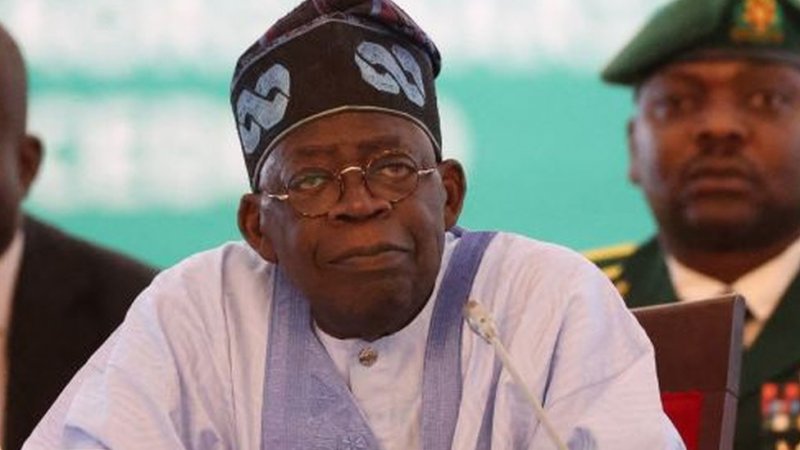
President Bola Tinubu received substantial support from parts of the North during the 2023 presidential election, but dissatisfaction has grown among many residents, community leaders, and political figures, News.az reports.
RECOMMENDED STORIES
The reasons behind this frustration are complex and involve security concerns, economic hardship, political expectations, and perceptions about the government's performance.
Is insecurity the biggest source of frustration?
For many people in Northern Nigeria, security remains the most important issue.
The region continues to face serious challenges from banditry, kidnappings, insurgent activities, communal clashes, and attacks on rural communities. Despite government efforts and military operations, many residents feel that insecurity remains widespread.
People living in affected areas often fear for their safety, while farmers, traders, and business owners face significant risks in their daily activities. As a result, many citizens believe the government has not delivered the level of security improvement they expected.
Why are kidnappings such an important issue?
Kidnappings have become one of the most visible symbols of insecurity in Northern Nigeria.
Over the years, numerous schoolchildren, travelers, farmers, and villagers have been abducted by criminal groups seeking ransom payments. Such incidents create fear across entire communities and generate public anger toward authorities.
Many families believe that stronger measures are needed to dismantle criminal networks and prevent future attacks. The continued occurrence of kidnappings has therefore become a major source of criticism of the government.
How have Tinubu's economic reforms affected Northern Nigeria?
The administration introduced major economic reforms, including the removal of fuel subsidies and changes to foreign exchange policies.
Supporters argue that these reforms were necessary to stabilize Nigeria's economy and reduce long term financial pressures.
However, many ordinary citizens experienced immediate hardship as fuel prices increased, transportation costs rose, and inflation affected food and household expenses.
Northern Nigeria, where poverty rates are generally higher than in many southern regions, has felt these pressures particularly strongly. Many families have struggled to cope with rising living costs.
Does poverty play a role in the dissatisfaction?
Yes.
Many northern states face longstanding challenges related to poverty, unemployment, infrastructure deficits, and limited economic opportunities.
Although these issues existed before Tinubu assumed office, worsening economic conditions have intensified public frustration.
Many citizens expected quicker improvements in their living standards and have become disappointed by the pace of change.
Why is the cost of living such a major concern?
For most households, daily expenses matter more than national economic indicators.
Food prices, transportation costs, electricity expenses, and basic necessities have become significantly more expensive.
Families with limited incomes often spend most of their earnings on essentials. When prices rise rapidly, the impact is felt immediately.
This economic pressure has become one of the most common complaints heard across Northern Nigeria.
Do some northerners feel politically marginalized?
Yes.
Some political commentators and community leaders argue that Northern Nigeria has not received sufficient attention in terms of appointments, infrastructure projects, and policy priorities.
Others disagree and point to northern representation within the federal government.
Regardless of the facts, perceptions play an important role in politics. Many people believe their region deserves greater attention from the federal administration.
Is there disappointment among northern political elites?
In some cases, yes.
Northern political leaders have traditionally played a central role in Nigerian politics. Some members of the political establishment have expressed concerns about the direction of the government and its relationship with the region.
As political discussions increasingly focus on the next election cycle, disagreements between some northern politicians and the presidency have become more visible.
Has Tinubu completely lost support in the North?
No.
Northern Nigeria is far from politically uniform.
The region contains millions of voters from different ethnic, religious, and political backgrounds. Many individuals continue to support the president and his policies.
However, there is growing evidence that dissatisfaction has increased in several areas, creating political challenges for the administration.
How important is the security issue politically?
Security is often considered the most important issue for many northern voters.
People generally expect governments to protect lives and property. When communities continue to experience attacks, kidnappings, and violence, confidence in political leaders can decline.
For many citizens, security concerns outweigh other political considerations.
Are farmers particularly affected?
Yes.
Agriculture remains a major source of income across Northern Nigeria.
Many farmers face challenges from insecurity, including attacks on rural communities, cattle theft, and difficulties accessing farmland.
When insecurity disrupts agricultural activities, it can affect both household incomes and food production.
This creates additional economic pressures throughout the region.
How does unemployment affect public opinion?
Youth unemployment remains a major concern.
Many young people struggle to find stable jobs despite completing their education or vocational training.
Limited employment opportunities can contribute to frustration, particularly when economic conditions are difficult.
Many citizens believe that job creation should be one of the government's highest priorities.
Are infrastructure issues part of the problem?
Yes.
Many northern communities continue to face challenges related to roads, electricity, healthcare facilities, schools, and access to clean water.
Residents often expect federal authorities to invest more heavily in infrastructure development.
Where improvements are not visible, dissatisfaction can grow.
How do supporters of the government respond to these criticisms?
Supporters argue that many of Nigeria's problems developed over decades and cannot be solved immediately.
They point out that economic reforms are intended to create long term stability and that security operations continue across affected regions.
Government supporters also argue that meaningful improvements require time and patience.
Why are expectations so high in Northern Nigeria?
Northern Nigeria plays a major role in national politics.
The region contains a large population and contributes significantly to election outcomes.
Because of its political importance, many voters expect substantial attention from any administration they help elect.
When expectations are not met, disappointment can become especially pronounced.
Could dissatisfaction affect future elections?
Potentially yes.
Northern Nigeria represents one of the country's largest voting blocs.
Any significant shift in public opinion could influence future presidential elections and political alliances.
Political parties and candidates are therefore paying close attention to public sentiment across the region.
Is the dissatisfaction only about Tinubu?
Not entirely.
Many of the challenges affecting Northern Nigeria are longstanding.
Issues such as poverty, insecurity, unemployment, inadequate infrastructure, and educational deficits have existed under multiple administrations.
However, incumbent governments are usually judged based on current conditions, meaning the present administration often receives the bulk of public criticism.
What is the core reason behind northern frustration?
The dissatisfaction stems from a combination of interconnected issues:
• Persistent insecurity
• Frequent kidnappings
• Rising cost of living
• Economic hardship
• High poverty levels
• Youth unemployment
• Infrastructure challenges
• Perceived political marginalization
• Slow pace of visible improvements
Together, these factors have created a perception among many northern Nigerians that the government has not yet delivered the level of progress they expected. Whether this sentiment continues to grow or begins to improve will likely depend on future developments in security, economic conditions, and governance.
By Faig Mahmudov


Similar news