Who is behind the deadly raid on a village in Western Zambia?


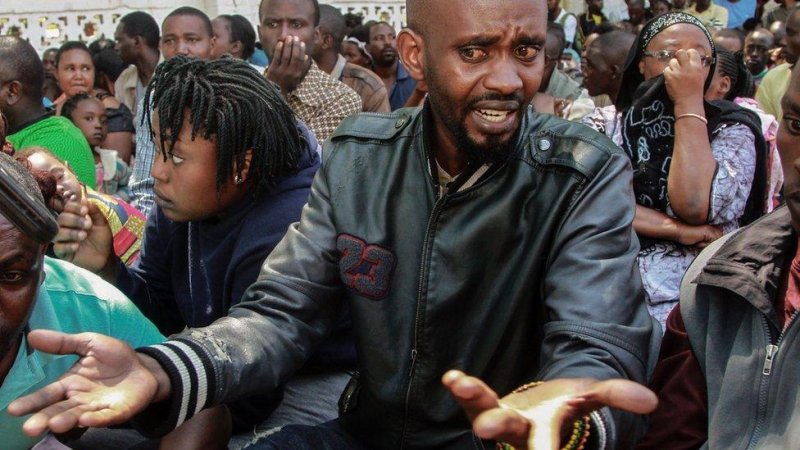
A deadly armed attack on a village in Western Zambia left at least seven people dead and several others injured.
According to reports, a group of armed assailants stormed the community during the night, setting homes on fire and attacking residents, News.az reports.
The incident has shocked local communities and prompted a police investigation.
Where did the attack take place?
The attack occurred in Western Province, one of Zambia's largely rural regions. The affected village is located in a remote area where access to security services can be limited and response times are often slower than in urban centers.
How many people were killed?
At least seven people were killed during the attack. Among the victims was an infant. Several others suffered injuries and required medical attention.
How were the victims killed?
Preliminary information suggests that most of the victims died after attackers set homes on fire, trapping residents inside. Others may have been injured during the assault itself as people attempted to flee the violence.
Were homes and property destroyed?
Yes. Multiple houses were reportedly burned during the attack. Families lost homes, personal belongings, and valuable property, creating an additional humanitarian burden beyond the loss of life.
Were valuables or livestock stolen?
Reports indicate that livestock, including cattle, may have been stolen during the raid. In rural communities, livestock often represents a family's primary source of income and food security, making such losses particularly devastating.
Who carried out the attack?
Authorities have not yet identified the attackers. Investigators are working to determine who was responsible and whether the assault was carried out by a criminal gang, organized bandits, or individuals involved in a local dispute.
What was the motive?
The motive remains unclear. Police are examining several possible explanations, including criminal activity, cattle theft, personal disputes, and other local conflicts. No official conclusion has yet been announced.
Have any arrests been made?
As of the latest information available, no arrests have been reported. The investigation remains ongoing.
How have authorities responded?
Police have launched an investigation and are gathering evidence from the scene. Authorities are interviewing witnesses, assessing the damage, and searching for those responsible for the attack.
Why are rural communities vulnerable to such attacks?
Several factors can make remote villages vulnerable:
• Limited police presence
• Long distances between settlements
• Poor road infrastructure
• Slow emergency response times
• Economic dependence on livestock and agriculture
• Difficult terrain that can help criminals evade capture
These challenges can make it easier for armed groups and criminals to operate in isolated areas.
Is violent crime common in Western Zambia?
Western Zambia is generally not known for large scale armed conflict. However, rural communities can face periodic incidents involving banditry, livestock theft, and local disputes. While attacks of this scale are relatively uncommon, they can have a significant impact when they occur.
What effect does an attack like this have on a community?
The consequences can be severe and long lasting:
• Loss of life
• Psychological trauma
• Destruction of homes
• Displacement of families
• Economic hardship
• Increased fear and insecurity
• Greater pressure on local authorities and social services
For small villages, even a single violent incident can alter daily life for years.
What challenges do investigators face?
Investigating crimes in remote rural areas often presents significant difficulties:
• Lack of surveillance systems
• Limited forensic resources
• Damaged evidence due to fires
• Fear among potential witnesses
• Difficult access to crime scenes
• Limited communications infrastructure
These factors can slow investigations and make it more difficult to identify suspects.
Could the attack lead to stronger security measures?
Major incidents often trigger reviews of local security arrangements. Authorities may consider increasing patrols, strengthening community policing programs, improving intelligence gathering, and allocating additional resources to vulnerable rural areas.
What happens next?
Investigators will continue efforts to identify and arrest those responsible. Authorities are also expected to support affected families, assess the full extent of the damage, and examine whether additional security measures are needed to prevent similar attacks in the future.
Why is this incident significant?
The attack highlights the security challenges that can exist in remote rural communities. It demonstrates how isolated villages can remain vulnerable to organized violence despite not being located in active conflict zones. The deaths of seven people, including an infant, have renewed concerns about rural security, law enforcement capacity, and the protection of vulnerable communities across the region.
By Faig Mahmudov


Similar news