What is driving the rise of farmer herder violence across Chad?


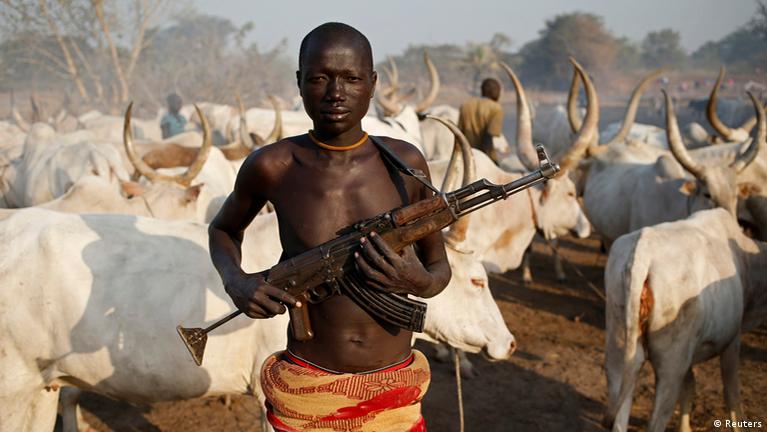
Land disputes have long been a source of tension in many parts of Africa, but in recent years they have become increasingly deadly.
A recent outbreak of violence in Chad has once again drawn attention to the fragile relationship between farming and pastoral communities, the competition for scarce resources, and the challenges governments face in maintaining peace in rural areas, News.az reports.
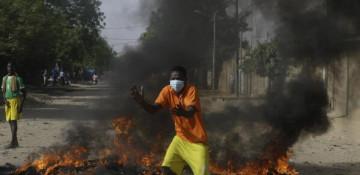
The latest incident reportedly began as a dispute involving farmland and livestock but quickly escalated into a deadly confrontation that left multiple people dead, many others injured, and extensive property damage across affected communities. Homes were burned, families were displaced, and entire villages faced the devastating consequences of communal violence.
The incident is not merely a local dispute. It reflects broader trends affecting Chad and much of the Sahel region, where population growth, climate pressures, changing land use patterns, and economic hardship are increasing competition over land and water resources.
This FAQ explainer examines what happened, why such conflicts occur, and what the violence means for Chad's future.
What happened in the latest Chad land dispute?
The violence erupted after a disagreement linked to the use of agricultural land and livestock grazing areas. According to reports from local authorities, tensions between farming and pastoral communities escalated rapidly, resulting in deadly clashes.
The confrontation quickly spread beyond the original dispute. Groups from affected communities became involved, and retaliatory actions followed. The violence eventually resulted in deaths, injuries, and widespread destruction of property.
Many homes were reportedly set on fire, forcing residents to flee. The destruction left numerous families without shelter and disrupted daily life throughout the affected area.
How many people were affected?
The human impact extends far beyond those killed or injured.
In addition to the fatalities, many families lost homes, crops, livestock, and personal belongings. Some residents were forced to abandon their communities and seek safety elsewhere.
The destruction of property often creates long term consequences because rebuilding homes and restoring livelihoods can take months or even years.
Many affected households may face difficulties accessing food, income, education, and healthcare following such violence.
Why did a land dispute become so deadly?
Land disputes are rarely just about land.
In many rural communities, land represents economic security, food production, cultural identity, and survival. When access to land becomes threatened, tensions can quickly intensify.
A disagreement over grazing routes, crop damage, or property boundaries can trigger strong reactions because the consequences directly affect livelihoods.
When communities already have historical grievances or unresolved disputes, even a relatively small incident can become the catalyst for larger violence.
Retaliation often plays a significant role. One act of violence may lead to another, creating a cycle that rapidly expands beyond the original dispute.
Who are the groups usually involved in these conflicts?
Most farmer herder conflicts involve two communities with different economic lifestyles.
Farmers depend on land for cultivating crops. Their success depends on protecting fields, maintaining harvests, and ensuring that agricultural investments are not damaged.
Pastoralists or herders depend on livestock. Their survival requires access to grazing areas and water sources, often through seasonal migration.
Although these communities have coexisted for generations, growing pressures on resources have increased tensions in many regions.
Neither group necessarily seeks conflict. However, when resources become scarce, competing interests can lead to confrontation.
Why are farmer herder conflicts increasing across Chad?
Several factors are contributing to the growing number of clashes.
One major factor is population growth.
As populations increase, demand for agricultural land rises. Farmers often expand cultivation into areas that were previously used for grazing.
At the same time, pastoral communities continue to require access to traditional migration routes and water sources.
This overlap creates friction.
Climate change is another significant factor. Droughts, changing rainfall patterns, and environmental degradation reduce the availability of productive land.
As usable land becomes scarcer, competition naturally intensifies.
Economic hardship can also worsen tensions. Communities facing poverty may be less able to absorb losses caused by damaged crops or lost livestock.
Political and administrative challenges can further complicate matters when disputes are not resolved quickly or fairly.
What role does climate change play in these disputes?
Climate change has become one of the most important drivers of resource competition across the Sahel region.
Rising temperatures and unpredictable rainfall affect both farming and livestock production.
Farmers may struggle with reduced crop yields, while herders face difficulties finding sufficient grazing land and water.
As environmental conditions worsen, communities are often forced to move or adapt.
This movement can bring different groups into closer contact and increase competition over limited resources.
Climate pressures do not directly cause violence, but they create conditions that make disputes more likely.
When livelihoods become more fragile, conflicts over land and water can escalate more easily.
Why is property destruction such a common feature of these clashes?
Property destruction is often used as a form of retaliation.
When tensions escalate, attackers may target homes, barns, storage facilities, crops, or livestock.
The goal may be to punish another community, force displacement, or inflict economic damage.
Unfortunately, such actions often deepen grievances and make reconciliation more difficult.
Burned homes and destroyed infrastructure create lasting hardships for affected families.
In many rural areas, rebuilding can be extremely challenging due to limited resources and government support.
As a result, the impact of property destruction often continues long after the violence ends.
How does the destruction of homes affect communities?
The loss of a home is often one of the most devastating consequences of communal violence.
Homes provide security, shelter, and stability.
When houses are burned or destroyed, families may lose years of savings and investment.
Important documents, personal possessions, tools, and household goods can disappear within minutes.
Children may lose access to education if schools are damaged or families are displaced.
Health risks also increase when people are forced to live in temporary shelters or overcrowded conditions.
The psychological impact can be equally severe.
Many survivors experience trauma, anxiety, and fear after witnessing violence and losing their homes.
How do such conflicts affect agriculture?
Agriculture often suffers significantly.
Farmers may abandon fields due to insecurity.
Planting and harvesting schedules can be disrupted.
Agricultural equipment may be destroyed or stolen.
Livestock losses can reduce income and food production.
In some cases, entire growing seasons may be lost.
This creates risks not only for affected families but also for regional food security.
Reduced agricultural output can contribute to higher food prices and increased economic hardship.
Can these disputes affect national stability?
Yes.
While individual incidents may occur in remote rural areas, their cumulative impact can affect national stability.
Repeated communal violence places pressure on security forces, local administrations, and humanitarian services.
Displacement can increase demands on neighboring communities.
Economic losses can affect regional development.
Persistent insecurity may also discourage investment and infrastructure projects.
If left unresolved, local disputes can evolve into broader security challenges.
Are such conflicts unique to Chad?
No.
Farmer herder conflicts occur in several African countries.
Similar violence has been reported in parts of Nigeria, Mali, Burkina Faso, Sudan, Niger, and Cameroon.
Although each country has unique circumstances, many underlying causes are similar.
Competition over land, water, and grazing routes frequently appears at the center of these disputes.
Climate pressures and population growth have increased the complexity of these challenges across the region.
Why are traditional conflict resolution mechanisms struggling?
Historically, many disputes were managed through traditional leaders, community elders, and local agreements.
These systems often helped regulate access to land and grazing routes.
However, modern pressures have made dispute resolution more difficult.
Population growth means more people are competing for resources than in previous generations.
Environmental changes have altered migration patterns.
Economic pressures have increased the stakes involved in disputes.
In some areas, traditional authorities may lack the influence or resources needed to prevent violence.
As a result, disputes that might once have been resolved peacefully can escalate into major confrontations.
What challenges do governments face in preventing these conflicts?
Governments face numerous obstacles.
Many affected areas are remote and difficult to access.
Security forces may have limited personnel and resources.
Infrastructure such as roads and communications networks can be inadequate.
Land ownership systems may be unclear or poorly documented.
Administrative institutions often struggle to respond quickly to emerging disputes.
Balancing the interests of different communities can also be politically sensitive.
These challenges make prevention and conflict management particularly difficult.
How important are grazing corridors?
Grazing corridors are designated routes used by pastoralists to move livestock between seasonal grazing areas.
These corridors can play a crucial role in reducing conflict.
When routes are clearly defined and protected, herders can move livestock without crossing cultivated farmland.
However, many traditional corridors have been reduced or obstructed by expanding agricultural activities.
This increases the likelihood of accidental crop damage and subsequent disputes.
Protecting and managing grazing corridors is often considered an important element of conflict prevention.
What happens when livestock damage crops?
Crop damage is one of the most common triggers of farmer herder disputes.
For farmers, the destruction of crops can represent a significant financial loss.
Months of work may be lost within hours.
Herders, meanwhile, may argue that traditional migration routes have been blocked or altered.
Without effective compensation mechanisms or dispute resolution systems, disagreements can quickly escalate.
Emotions often run high because both sides perceive their livelihoods as being threatened.
How does displacement affect affected families?
Displacement creates a range of humanitarian challenges.
Families forced to flee may lose access to food, shelter, healthcare, and education.
Income generating activities are often disrupted.
Women and children can face increased vulnerability.
Host communities may struggle to accommodate large numbers of displaced people.
The longer displacement continues, the greater the social and economic consequences become.
Returning home may also be difficult if houses have been destroyed or security conditions remain unstable.
What economic impact do these clashes have?
The economic consequences can be substantial.
Destroyed homes require reconstruction.
Lost livestock and crops reduce household income.
Trade may be disrupted.
Transportation routes can become unsafe.
Local markets may cease operating temporarily.
Government resources may need to be diverted toward emergency response and security operations.
Over time, recurring violence can slow economic development and discourage investment.
What role does poverty play?
Poverty can intensify resource related conflicts.
Communities with limited economic opportunities often depend heavily on land and livestock.
Losses can therefore have immediate and severe consequences.
Poor households may lack savings or insurance mechanisms that could help absorb economic shocks.
Competition for resources becomes more intense when alternatives are limited.
Reducing poverty and expanding economic opportunities can therefore contribute to conflict prevention.
Can education help reduce tensions?
Education can play an important role.
Schools can promote understanding between different communities.
Educational programs can help people learn conflict resolution skills.
Improved literacy and access to information may also support better resource management.
Education alone cannot eliminate conflicts, but it can contribute to long term social stability.
Communities with stronger educational opportunities often have more tools available for peaceful dispute resolution.
How do humanitarian organizations respond after such violence?
Humanitarian organizations often focus on immediate needs.
These may include:
• Emergency shelter
• Food assistance
• Medical care
• Psychological support
• Water and sanitation services
• Protection for vulnerable groups
Longer term recovery efforts may involve rebuilding homes, restoring livelihoods, and supporting reconciliation initiatives.
The scale of assistance depends on the severity of the violence and available resources.
Why is reconciliation important after communal violence?
Ending violence is only the first step.
Without reconciliation, tensions may remain unresolved and future violence becomes more likely.
Reconciliation efforts often involve dialogue between communities, compensation arrangements, and mechanisms for addressing grievances.
Building trust can take time.
However, successful reconciliation is essential for sustainable peace.
Communities that continue to view one another as enemies face a greater risk of renewed conflict.
Could similar incidents occur again?
Unfortunately, the risk remains.
The underlying drivers of these conflicts have not disappeared.
Competition over land and water continues.
Environmental pressures persist.
Population growth remains strong.
Economic challenges affect many rural communities.
Without effective management of these issues, future disputes may occur.
The challenge for policymakers is to address root causes before tensions escalate into violence.
What long term solutions are being discussed?
Experts frequently propose a combination of approaches.
These include:
• Clear land ownership systems
• Protected grazing corridors
• Improved water management
• Better dispute resolution mechanisms
• Rural development programs
• Climate adaptation strategies
• Stronger local governance
• Enhanced security presence
• Economic diversification
• Community dialogue initiatives
No single solution is sufficient on its own.
Sustainable peace usually requires coordinated efforts across multiple sectors.
Why does this incident matter beyond Chad?
The violence highlights challenges facing many countries across the Sahel and beyond.
As populations grow and environmental pressures increase, competition over natural resources is likely to become more significant.
The Chad incident serves as a reminder that local disputes can have devastating human consequences.
It also illustrates the importance of effective governance, resource management, and conflict prevention.
Many countries are watching similar trends unfold within their own borders.
Lessons learned from these incidents may help policymakers develop more effective strategies for preventing future violence.
What is the broader lesson from the tragedy?
The destruction caused by the Chad land dispute demonstrates how quickly tensions can escalate when livelihoods, resources, and community identities are at stake.
The deaths, injuries, and property losses are immediate consequences of the violence.
However, the deeper lesson concerns the need to address structural pressures before they become crises.
Land, water, and environmental challenges are becoming increasingly important issues across many parts of the world.
Managing these pressures fairly and effectively will be essential for maintaining peace and stability in the years ahead.
The tragedy in Chad is therefore not merely a local story. It is part of a larger conversation about resource competition, climate resilience, rural development, and the future of communal relations in regions facing rapid change.
Unless these underlying issues are addressed, similar disputes may continue to erupt, leaving more communities vulnerable to violence, displacement, and devastating property destruction.
By Faig Mahmudov


Similar news