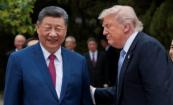
Xi visits Vietnam, Cambodia, Malaysia to boost Asian support amid U.S. trade war


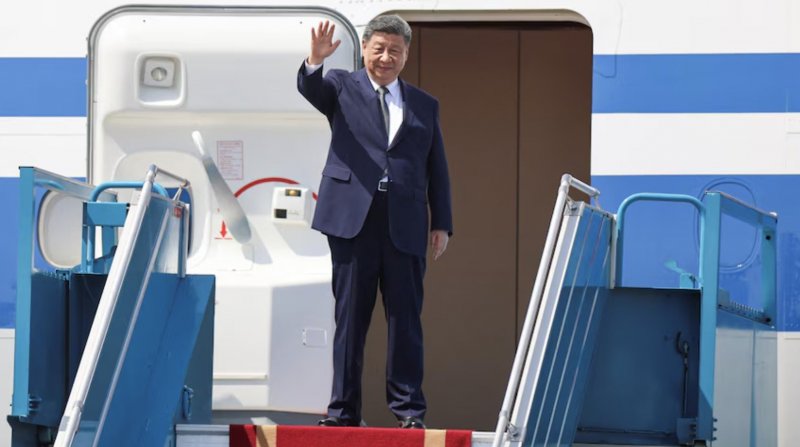
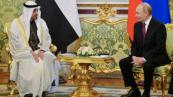
Chinese President Xi Jinping has arrived in Malaysia after his visit to Vietnam, seeking regional support in response to recent changes in U.S. tariff policies.
China says it's "tearing down walls", expanding its circle of trading partners and "shaking hands" instead of "shaking fists", amid its escalating trade war with the United States, News.Az reports citing foreign media.
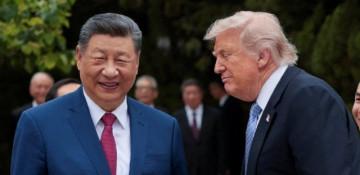
The comments from the Chinese foreign ministry came as President Xi Jinping continued his tour through South-East Asia — which Donald Trump said was designed to work out how countries "could screw the United States".
President Trump has maintained a 145 per cent tariff on Chinese imports, a move that prompted Beijing to hike its levies on US goods to 125 per cent.
"In the face of external uncertainties, China will insist on shaking hands rather than shaking fists, tearing down walls instead of building barriers, connecting instead of decoupling," foreign ministry spokesperson Lin Jian told a press briefing on Tuesday, local time.
Beijing called the Trump administration's tariffs strategy "a joke", irritating US Treasury Secretary Scott Bessent.
"These are not a joke. I mean these are big numbers," Mr Bessent told Bloomberg Television.
He said any US-China negotiations would have to come from "the top," involving both presidents Trump and Xi.
The World Trade Organization (WTO) has warned the trade war could cut the shipment of goods between two economies by as much as 80 per cent and severely hurt global growth.
Will China's charm-offensive work?
President Xi this week started a three-nation tour of the region in Vietnam, before arriving in Malaysia.
He will visit Cambodia later this week.
Resident senior fellow with the Australian Strategic Policy Institute, Dr Raji Pillai Rajagopalan, said the Chinese leader did something similar during Donald Trump's first term, but senior US officials managed to keep American policies more balanced.
"On the other hand, China was continuing its aggressive behaviour, so the yawning gap between China's rhetoric and its actions finally became issues for a lot of South-East Asian countries," Dr Rajagopalan told ABC's The World.
She said it remained to be seen how successful the trip would be in drumming up support for China.
"Xi has a lot of work to do to make sure there is conformity between his actions and his words," she said.
With the US and China involved in a tit-for-tat trade war, she said most countries won't want to align themselves too heavily with either, with Vietnam, Cambodia and Malaysia looking to negotiate with America on tariffs.
"The countries in the region want to have choices, want to make sure that they are left with a lot more strategic manoeuvrability," she said.
Vietnam is facing a maximum US tariff of 46 per cent, prompting China's president to call for the two countries to oppose "unilateral bullying" and to strengthen cooperation in production and supply chains.
Chinese and Vietnamese officials also signed dozens of cooperation deals during the visit, including on production and supply chains as well as railway cooperation.
President Xi will visit Malaysia and Cambodia, which could face with 24 per cent and 49 per cent levies, respectively.
A commentary published on Tuesday by China's state-run People's Daily underlined the need for unity amid the trade turbulence.
"In the face of crisis, no one can keep only to oneself," the commentary said, referencing Dorothy's adventure in the American children's story The Wizard of Oz.
"Only unity and cooperation can meet the challenge."
The commentary presented China as a benevolent advocate for free trade, spotlighting Beijing's decision to implement zero tariffs for some of its least developed partners.


Similar news