Zara owner Inditex beats forecasts with strong winter start


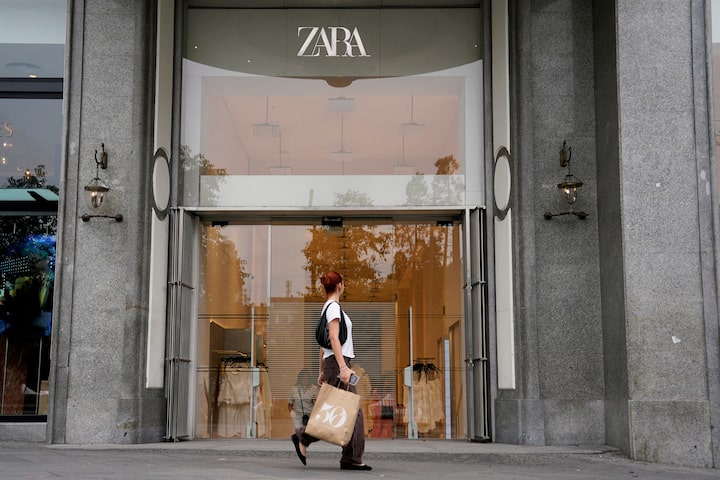
Spanish fast-fashion giant Inditex, the owner of Zara, surpassed analysts’ expectations at the start of its fourth quarter, reporting currency-adjusted sales growth of 10.6% in November, a period that included the crucial Black Friday weekend. The results provide an early indication of how retailers performed during the key discounting season and mark a strong start to Inditex’s biggest revenue quarter.
Inditex, valued at $178 billion, also reported solid third-quarter results for the period ending October 31, with currency-adjusted sales up 8.4% to 9.8 billion euros ($11.41 billion), slightly higher than the 9.69 billion euros forecast by analysts. While the company did not provide a regional breakdown, Bernstein analyst William Woods suggested that Spain’s strong economy, which contributes around 20% of Inditex’s revenue, likely played a role in boosting sales, News.Az reports, citing Reuters.
“Spain has just been phenomenal; the Spanish economy is working and people are buying more clothes,” Woods said. Across Europe, however, consumer demand remains muted as shoppers increasingly turn to cheaper online platforms such as Shein and Temu.
Despite competition, Inditex has shown resilience compared with rivals like H&M, which generally operate at lower price points. The Zara owner achieved strong third-quarter growth even amid unusually warm October weather in much of Europe, which dampened sales of higher-priced autumn and winter items, including jackets and coats.
Gross profit for the third quarter rose 6.2% to 6.1 billion euros, with a gross margin of 62.2%, up from 58.3% in the first half of the year. After nearly three years of strong gains, Inditex shares have stalled, with the stock down 1% since the start of 2025, as investors remain cautious about slower sales growth.
In line with its strategy to create a more premium shopping experience, Inditex – which also owns Bershka, Massimo Dutti, Oysho, Pull & Bear, and Stradivarius – has been closing smaller stores while opening larger flagship locations that generate higher revenue. As of October 31, the company operated 5,528 stores globally, down from 5,667 a year earlier.


Similar news