Armenia-Türkiye: Border talks raise hopes but timeline for reopening uncertain


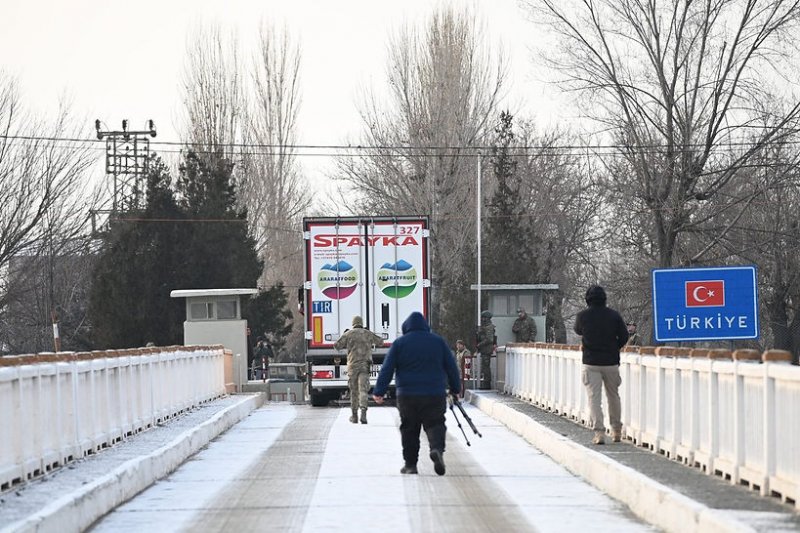
Türkiye is considering reopening its land border with Armenia within the next six months, Bloomberg reported, citing sources familiar with the matter.
“Türkiye is considering reopening its land border with Armenia in the next six months, according to people familiar with the matter, doing away with Europe’s last closed frontier of the Cold War era and paving the way to revived trade in the Caucasus,” the agency said.
It is worth noting that the foreign ministries of Armenia and Türkiye declined the agency’s request for comment.
It should also be clarified that the closure of the Armenia–Türkiye border is not a relic of the Cold War. The border has been closed since 1993 in protest against Armenia’s occupation of Azerbaijani territories, as Bloomberg itself noted. The border closure has never affected trade in the Caucasus at large — only Armenia has faced the economic consequences.
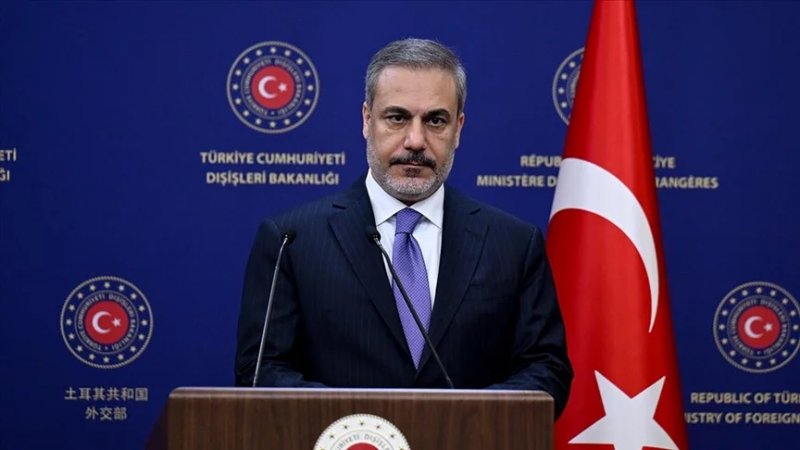 Photo: Anadolu Agency
Bloomberg also highlighted that reopening the border would provide Armenian Prime Minister Nikol Pashinyan with a significant political boost ahead of parliamentary elections scheduled for June 2026.
However, questions remain regarding the timeline. In November, Turkish Foreign Minister Hakan Fidan stated in parliament that Türkiye is prepared to normalize relations with Armenia only after Baku and Yerevan sign a final peace treaty. Fidan stressed that normalizing ties with Armenia before such an agreement would undermine Armenia’s incentive to reach peace with Azerbaijan.
“Therefore, there is a possibility that we will face a frozen conflict in the region. We don’t want that,” Fidan said.
As of now, no peace treaty between Baku and Yerevan is expected within the next six months. If Türkiye links normalization to the signing of such an agreement, the Armenian side may have to wait longer for the border to reopen.
Meanwhile, Yerevan has tried to create the impression that the border issue is nearly resolved, claiming active discussions and mutual understanding are underway. Prime Minister Pashinyan has stated that reopening is only a matter of time. Yet Fidan’s remarks indicate a more complex situation. Armenia had hoped that establishing dialogue with Baku would automatically resolve issues with Ankara. In reality, Türkiye maintains that normalization is contingent on resolving matters with Azerbaijan.
Accelerating a peace treaty remains unlikely, as Armenia has yet to meet several conditions set by Azerbaijan, including constitutional amendments and agreements on the Zangezur Corridor.
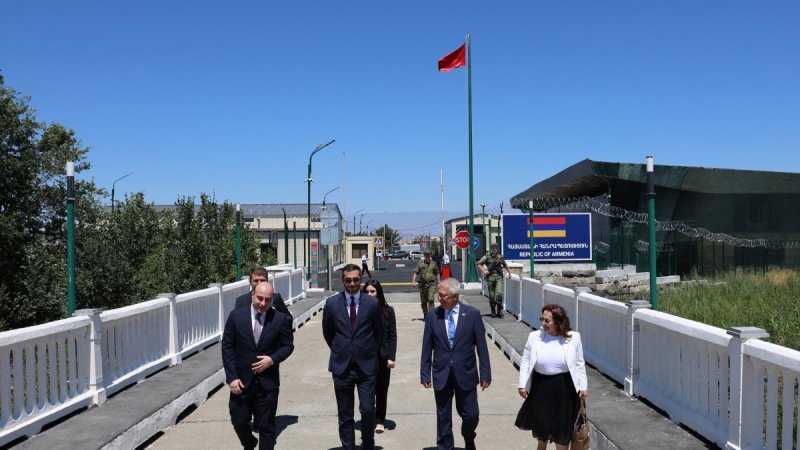 Photo: Anadolu Agency
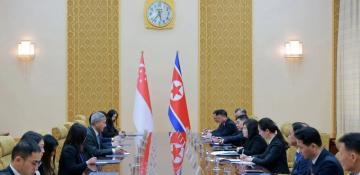
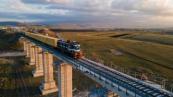
Last Saturday, special normalization representatives from both countries visited the Akyaka-Akhurik border crossing and met in the Armenian border town of Gyumri. Discussions focused on restoring the Kars-Gyumri railway line, with track replacement expected to take approximately five months. Türkiye is also constructing new roads in the area to enhance border patrols.
According to Armenian media reports, the border could potentially reopen as early as next year, sooner than the six-month timeframe cited by Bloomberg.
Discussions on opening the border began after the Second Karabakh War, with negotiators appointed in December 2021. Direct cargo air travel between Armenia and Türkiye began on January 1, 2023. On September 24, 2024, Prime Minister Pashinyan and President Recep Tayyip Erdogan met at the Turkish House in New York and expressed readiness to continue normalization without preconditions. On September 12, 2025, negotiators Rubinyan and Kılıc held their sixth meeting in Yerevan, agreeing to expedite implementation of agreements on land border crossings for third-country nationals and diplomats, conduct technical studies for the Gyumri-Kars railway and power line, and increase flights between the two countries.
Following Fidan’s recent statement, Armenian journalists asked Foreign Minister Ararat Mirzoyan for a response. Mirzoyan remained cautious, avoiding any unnecessary remarks, reflecting Yerevan’s recent effort to approach the issue pragmatically rather than emotionally.
Historically, Armenia has maintained that the Karabakh conflict and normalization with Türkiye are separate issues. Attempts to link them, such as the so-called “football diplomacy,” were largely unsuccessful.
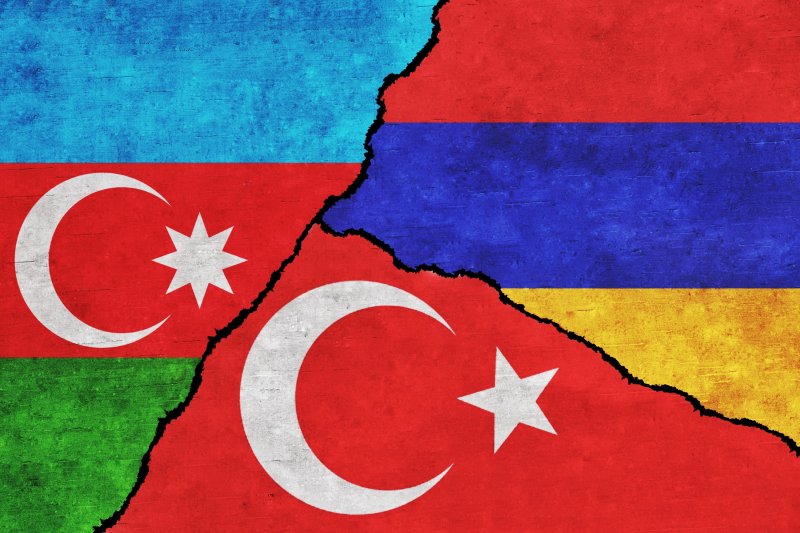 Photo: Shutterstock
In 2009, the Turkish and Armenian foreign ministers signed the “Zurich Protocols,” aimed at establishing diplomatic relations and developing bilateral ties. However, the protocols were never ratified, largely due to Azerbaijani opposition, and Armenia waited nine years hoping for Western pressure on Türkiye, without success.
While the Armenian diaspora continues to emphasize the “genocide” narrative, Pashinyan’s government has gradually reduced its role in domestic political discourse. Despite opposition from nationalist circles and the Dashnak movement, Yerevan is working to remove this issue as an obstacle to normalization. With this challenge largely neutralized, the remaining hurdle is a peace agreement with Azerbaijan.
Azerbaijan does not oppose reopening the borders between Armenia and Türkiye, but it remains clear that Azerbaijani interests will continue to shape the pace and outcome of normalization. As in 2009, Armenia’s ability to restore relations with Türkiye is contingent on resolving its issues with Azerbaijan.
By Tural Heybatov


Similar news