Brussels prepares to block Russian ships in the Baltic


By Asif Aydinly
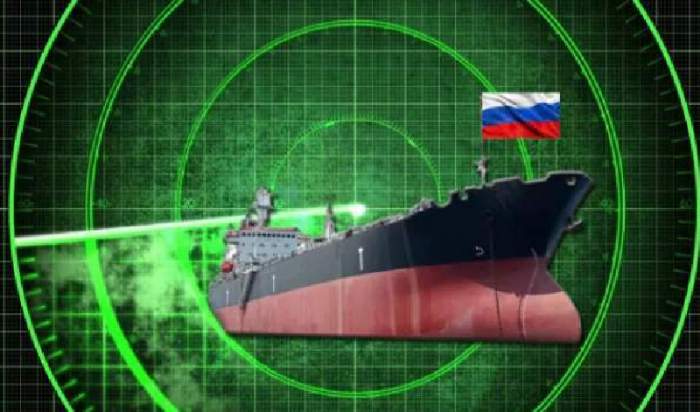
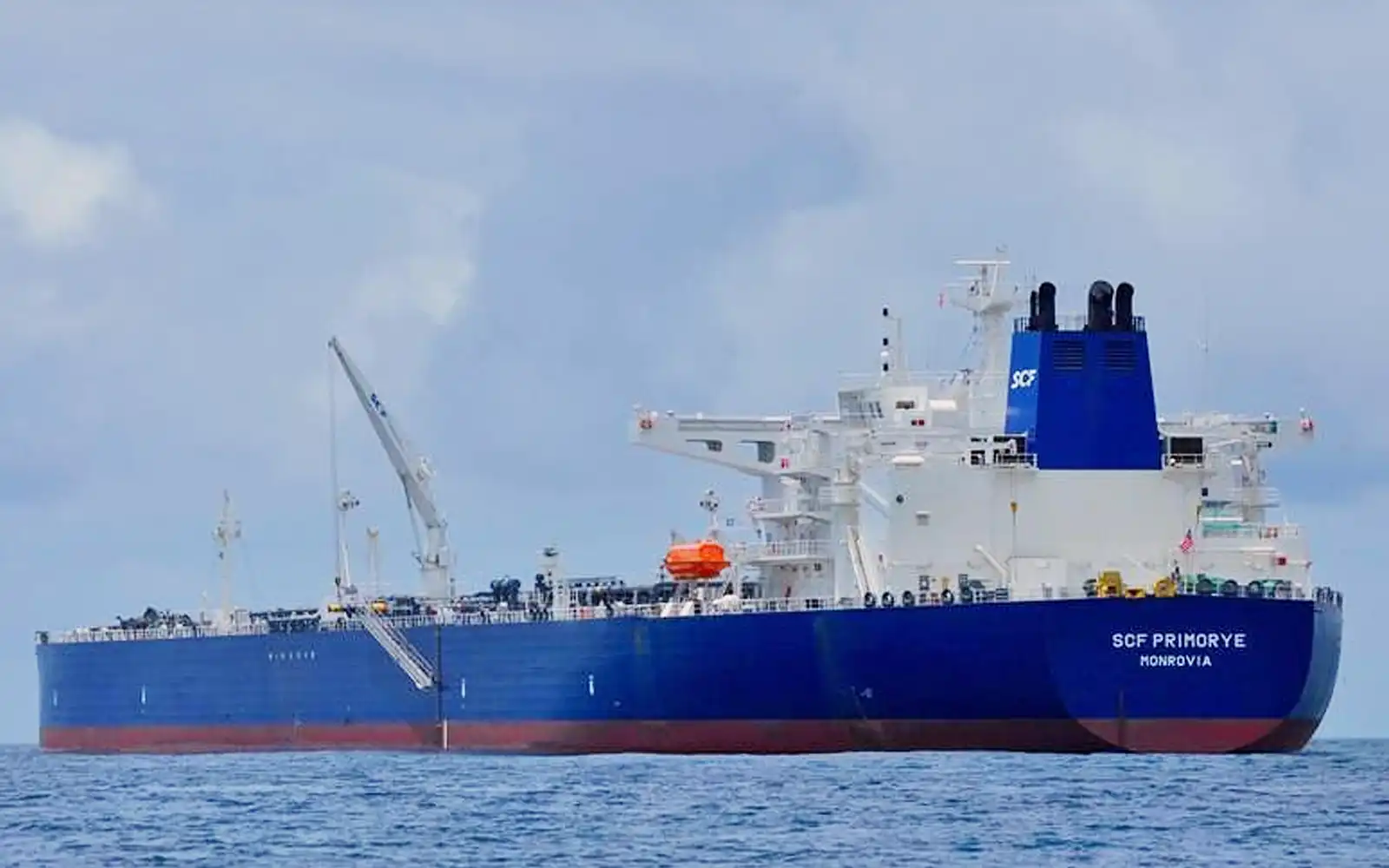
The European Union is exploring the possibility of mass detentions of tankers carrying Russian oil through the Baltic Sea. According to Politico, EU leadership is developing legal mechanisms to implement these measures, leveraging various approaches, including environmental risks, insurance regulations, and anti-piracy laws. The discussed steps aim to restrict the movement of Russia's so-called "shadow fleet"—vessels used to bypass Western sanctions imposed after the onset of the Ukraine conflict.
Despite international sanctions, the Baltic Sea remains one of the key export routes for Russian oil. Statistics indicate that over 50% of all sanctioned Russian oil exports pass through this region, making it strategically vital for both Moscow and Brussels. EU authorities are concerned not only about the economic implications of these shipments but also about the environmental threats posed by aging vessels that may not comply with international safety standards.
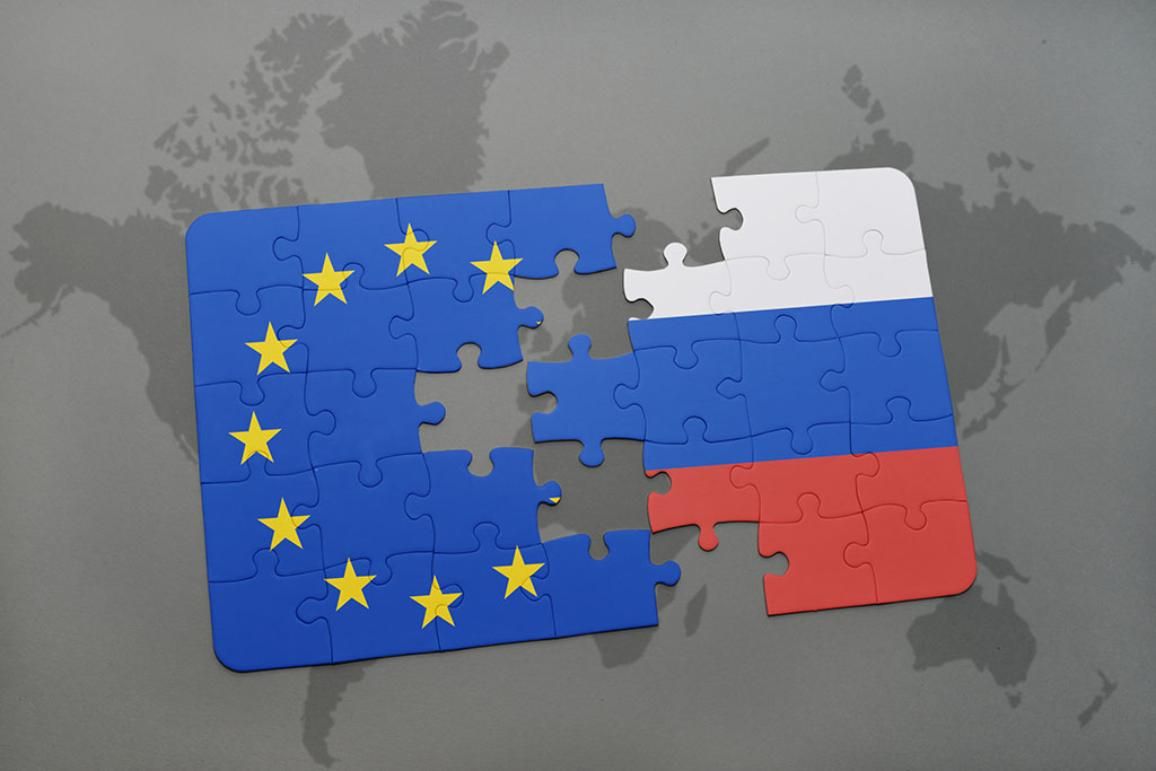
Behind closed doors, Brussels is conducting negotiations on potential measures to impact Russian oil exports. Proposed measures include invoking international law to detain vessels, introducing national legislative norms that would allow Estonia and Finland to require tankers to work with EU-approved insurers, and creating conditions that slow down tanker traffic, making exports less profitable.
One of the primary pressure mechanisms on Russian oil exports could be stricter control over insurance obligations for vessels. The EU proposes mandating that tankers carry insurance exclusively from companies approved by the bloc while imposing stricter requirements for compliance with environmental regulations. This could significantly complicate the operations of shipping companies involved in transporting Russian oil. Notably, the Baltic states and Finland have already signaled their readiness to take action in this direction.
At present, these initiatives remain under discussion, but they have already sparked significant debate in Europe. The Baltic states and Finland are particularly concerned about the environmental risks posed by potential tanker accidents involving vessels that fail to meet international safety standards. Authorities in these countries are also drawing attention to damage to underwater infrastructure, such as the severing of electrical cables and gas pipelines in recent months. Additional concerns have arisen following the explosion of the Koala tanker in January 2025 at the port of Ust-Luga, which has once again highlighted the issue of oil transportation safety in the Baltic.
Estonian Foreign Minister Margus Tsahkna has stated that around 50% of sanctioned Russian oil is transported through the Baltic, and regional countries seek to enhance control over this process. However, implementing such measures comes with several challenges. International maritime law, including the 1982 United Nations Convention on the Law of the Sea (UNCLOS), guarantees free passage of vessels through international straits. Any attempt to restrict the movement of tankers could lead to legal disputes and protests from stakeholders. Moreover, financial risks remain a significant barrier—detaining vessels could result in legal battles and substantial compensation claims.
The political dimension also plays a crucial role. In 2023, Denmark refused to block Russian tankers, citing legal constraints. However, by 2024, it shifted its stance, tightening control over maritime traffic. Now, the Baltic states and Finland may join this initiative, further escalating tensions in the region. It is also possible that the EU will seek to coordinate its actions with the United States and the United Kingdom, both of which support tougher sanctions against Russia.
Russia, for its part, has already stated that any obstacles to the movement of its vessels through the Baltic will be regarded as hostile actions. The Russian Foreign Ministry has reminded that the passage of vessels through the Danish Straits is regulated by the 1857 Copenhagen Treaty and UNCLOS. While Moscow's official response has remained restrained, experts do not rule out that if restrictions are imposed, Russia could introduce retaliatory measures, including tightening control over European cargo flows or escorting its vessels through international waters.
Some analysts are also highlighting the potential consequences of such steps for the global oil market. Any additional restrictions on Russian exports could lead to an increase in oil prices, negatively impacting the European economy, which is already struggling with high energy costs. At the same time, such measures could prompt Moscow to seek alternative export routes, including through China and India, which continue to purchase Russian oil at discounted rates.
Restricting the movement of Russian tankers in the Baltic Sea could be a significant step for the EU, the consequences of which remain difficult to predict. Brussels is currently exploring legal instruments to implement these measures, but the final decision will depend on political debates, economic repercussions, and international reactions. Should the EU proceed with these actions, it would set a precedent that could impact not only Russia-EU relations but also the future of global maritime trade. In any case, the issue of detaining Russian tankers in the Baltic Sea is expected to remain a key topic on Brussels' agenda in the coming months.


Similar news