Bulgaria and Azerbaijan join forces in the Black Sea project


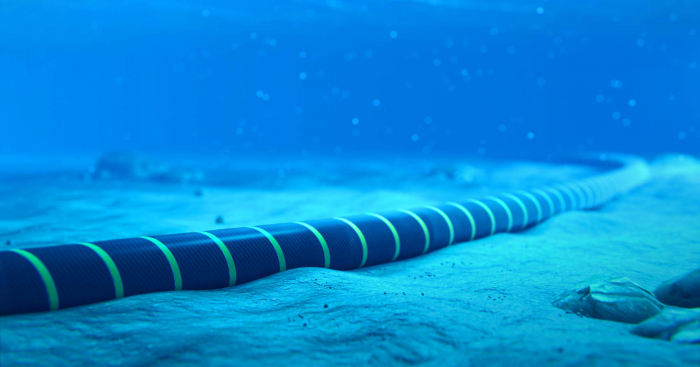
Bulgaria's signing of an agreement to participate in the Black Sea Energy Corridor project , which envisions the supply of green energy from Azerbaijan to Central Europe, has become a key event in the development of regional energy infrastructure.
The project unites Azerbaijan, Georgia, the Black Sea, Romania, and Hungary and includes the construction of a 1,195km-long underwater electric cable to transmit up to 4 gigawatts of green energy.The Black Sea Energy project started with the signing of an agreement between Azerbaijan, Georgia, Romania, and Hungary in Bucharest in December 2022. The project's goal is to strengthen the region's energy security, diversify energy supply sources, and increase the share of green energy in Europe's energy balance. The project's main components include laying an underwater cable across the Black Sea and creating the infrastructure for energy transmission.
The decision of the Bulgarian Council of Ministers to join the Black Sea Energy project underscores the country's importance in ensuring the sustainability of the region's energy infrastructure and supply. Bulgaria has a developed power transmission system, a favorable geographical position for energy transit from the East through the Black Sea to Europe, and strategic partnerships with neighboring and European countries.
By participating in the project at a 20% level, Bulgaria will be able to actively engage in its development, investing in infrastructure, renewable energy technologies (RES), and sustainable development. This will also provide the country with opportunities for economic growth and the creation of new jobs in the renewable energy sector.
The Black Sea Energy underwater electric cable will have a capacity of 1,000 megawatts and a length of 1,195 kilometers. The supply of green electricity will start from Azerbaijan, pass through Georgia and the Black Sea, reach Romania, and then be distributed throughout Europe. The project is expected to be completed within 3-4 years with the support of the European Commission amounting to 2.3 billion euros.
Doctor of Economics, Professor Elshad Mammadov stated in an interview with News.Az that Bulgaria's accession to the Black Sea Energy Corridor would further increase its significance.
"We see that European countries, especially those whose economies have weakened in recent years, face serious problems in ensuring energy supply and balancing energy. In such conditions, interest in the energy corridor in which Azerbaijan participates has significantly increased in a number of European countries. Given this, I believe that we are likely to witness an increase in the number of countries interested in participating in this green energy corridor. This should contribute both to the diversification of energy policy and to the increase in our country's economic resources," the expert said.
The economist also noted that the diversification of Azerbaijan's exports should concern not only the non-energy sector but also increasing the share of the processing sector within the energy industry.
According to Mammadov, Europe is facing serious problems in ensuring energy supply. "Europe is making great efforts to achieve diversification in energy supply, and I believe it doesn't have many alternative mechanisms and pathways. Therefore, we will witness the growing relevance of energy projects in which Azerbaijan actively participates, and I am sure that Azerbaijan should undoubtedly gain its political and economic dividends from the realization of such corridors," Mammadov said.
P.S. The Black Sea Energy project represents an important step towards sustainable development and cooperation in the energy sector between the countries of the Caspian region and Europe. Bulgaria's inclusion in this project not only strengthens the region's integration into international energy markets but also contributes to strengthening European energy security in the context of the transition to a low-carbon economy. Bulgaria, with its strategic geographical position and developed energy infrastructure, plays a key role in the successful implementation of the project. With its technological and economic capabilities, Bulgaria can make a significant contribution to the construction and operation of the underwater cable, which, in turn, will accelerate Europe's transition to renewable energy sources.
Furthermore, the Black Sea Energy project is a striking example of international cooperation in the energy sector, uniting the efforts of several countries to achieve a common goal. This cooperation not only promotes the strengthening of political and economic ties among the project participants but also creates conditions for the exchange of advanced technologies and knowledge in the field of renewable energy. In the long-term, the project can become a catalyst for the development and implementation of new energy initiatives aimed at reducing the carbon footprint and achieving the climate goals set by the international community.
Thus, Bulgaria's participation in the Black Sea Energy project opens new opportunities for the country and the region as a whole, contributing to sustainable economic development, enhancing energy security, and creating a clean energy system for the future.


Similar news