Europe vs. Russia: Borrell and Stoltenberg unite NATO against the Kremlin


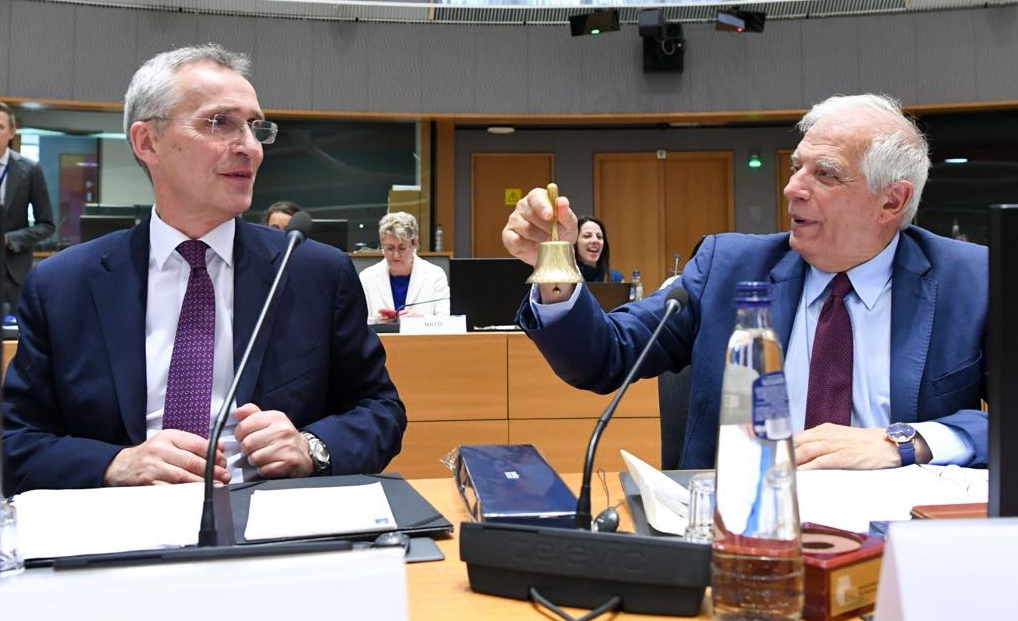
At the NATO summit, the EU's High Representative for Foreign Affairs and Security Policy, Josep Borrell, emphasized the need to unite against Russia. According to him, modern Russia continues to pursue its imperialistic interests and aims to restore the power of the former Soviet Union. This view is supported by NATO Secretary-General Jens Stoltenberg, who called Russia's victory in Ukraine the greatest risk to the Alliance.
Borrell drew parallels with history, noting that 75 years ago, Western countries united against the Soviet Union, and today, history is repeating itself with Russia. In his opinion, global security depends on the strength and technological power of states. This statement is alarming, as it indicates increased vulnerability to new challenges and threats.The EU High Representative stated that eurozone countries will continue to support the strengthening of Ukraine's military capabilities. "We remain committed to ensuring Ukraine's reliable defense. We do this not because it is necessary, but because it is important. Supporting the Ukrainian government and people is in the interest of all of Europe, as it also ensures Europe's security. Peace in Ukraine is possible only within the framework of this country's sovereignty and territorial integrity. For this, Russia must return to its borders and cease creating threats to neighboring states," Borrell said.
Stoltenberg stressed that Russia's victory in Ukraine would be a blow not only to NATO but would also support other opponents of the Alliance – Iran, North Korea, and China. Such developments could significantly affect the balance of power in the world, forcing NATO to mobilize its resources and increase military support for Ukraine.
Despite statements by Western leaders, the Kremlin claims that Russia poses no threat. The press secretary of the Russian president, Dmitry Peskov, has repeatedly emphasized that NATO seeks Russia's strategic defeat and participates in the conflict on Ukraine's side. President Vladimir Putin called assertions about plans to attack Europe after the conflict in Ukraine "nonsense and absurd."
Nevertheless, the fact remains: the West has increased military and financial support for Kyiv, explaining this with the desire to protect Donbas and prevent possible Russian expansion. Josep Borrell and Jens Stoltenberg unanimously declare the need to strengthen defense capabilities and support Ukraine, which confirms the seriousness of NATO and the EU's intentions.
This approach is important not only for Ukraine but for all of Europe, as a strong and stable Ukraine can become an important partner and ally in the region. Supporting startups and technological projects also contributes to creating new jobs, which is important for economic development.
In the long term, the outcome of the conflict in Ukraine will determine not only the fate of this country but also the future of the global order. Western leaders understand that Ukraine's success is key to Europe's security and stability. They realize that supporting Kyiv is not only a moral duty but also a strategic necessity.
However, it is important to consider that the conflict has many sides and interests. It is crucial to continue calls for dialogue and seek solutions to avoid tensions and disruptions in global stability. As Borrell emphasized, peace in Ukraine is possible only within its sovereignty and territorial integrity.
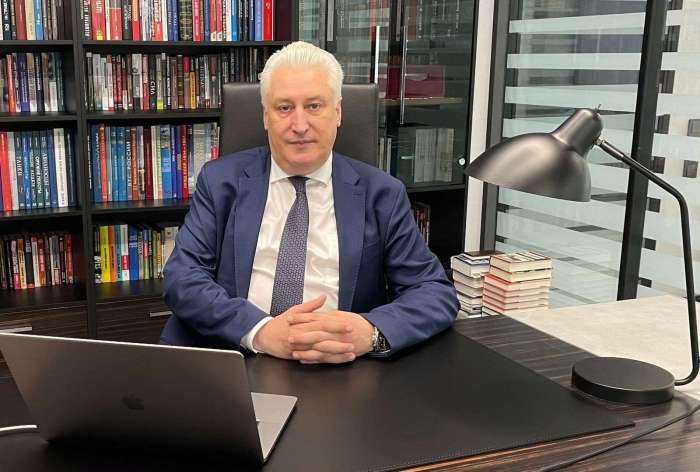
Igor Korotchenko, Director General of the Caspian Strategic Research Institute , said in an interview with News.Az that Borrell is calling on NATO and European countries to overthrow Russia, just as they opposed the USSR 75 years ago, while simultaneously making unfounded accusations about Russia's imperialistic interests.
“Borrell is completely lying, which is characteristic of European politicians. He is trying to create an anti-Russian atmosphere for future successors. The European Union pursues selfish goals. However, within the EU, there are also adequate countries like Hungary. At the same time, there are extremely nationalistic Baltic states and Poland, striving to create an empire from sea to sea. The rest of Europe takes a different position,” Korotchenko stated.
Korotchenko also emphasized that the West demonstrates a negative attitude not only towards Russia but also towards other countries like Azerbaijan.
“Karabakh Armenians voluntarily left the region at the end of 2023, despite Baku's calls to stay and build their future as full-fledged citizens. The European Parliament, however, continues to adopt vile and insidious resolutions against Azerbaijan under the influence of Armenian lobbying groups,” the political scientist said.


Similar news