Future of the South Caucasus: Collaboration or confrontation?


Photo: iStock
The South Caucasus is one of the most complex and dynamic regions in the world, located at the crossroads of the interests of Russia, Iran, and Türkiye. Each of these powers seeks to pursue its national interests, creating a multi-layered geopolitical dynamic. However, the situation is further complicated by the influence of external players and the internal challenges faced by the region's countries.
Following its invasion of Ukraine , which the UN General Assembly has classified as an act of aggression, Russia has found itself under unprecedented sanctions pressure. The South Caucasus has become a critical corridor linking Moscow to the Middle East and South Asia. Facing growing competition from Türkiye and Iran, Russia aims to maintain its military presence in the region and control key transportation routes. However, the weakening of its military capacity due to the war in Ukraine hinders the realization of these goals.Since 2022, Russia has been reallocating resources to the Ukrainian front, significantly weakening its position in other regions, including the South Caucasus. The loss of senior officers, the use of outdated military equipment, and a management crisis in its armed forces have eroded its ability to respond effectively to geopolitical challenges.
The crisis in Russia's military governance and resources has led to a reduction in Moscow's influence in key regions like the South Caucasus. This shift opens opportunities for other players, such as Türkiye and Iran, to strengthen their positions.
However, increasing pressure on Russia may prompt it to adopt asymmetric strategies, including economic or diplomatic countermeasures against the rising influence of competing powers.
Iran, under sanctions since 1979, views the South Caucasus as a vital trade route. In its efforts to overcome isolation, Tehran is striving to strengthen economic ties with regions that can help mitigate the effects of sanctions. However, its ambitions face resistance from Western countries and competition from Türkiye.
Iran's strategic partnership with Russia is situational. Despite shared interests in Syria and the Caucasus, their cooperation is limited to specific objectives. The escalating confrontation with Israel, marked by mutual strikes, further destabilizes the region. Israel's technological superiority in military capabilities raises doubts about Iran's ability to withstand long-term pressure.
Iran's internal economic and political situation also raises questions. Frequent power outages and an economic crisis make the country vulnerable to external challenges. Strikes on critical infrastructure, such as the energy grid, could lead to significant social unrest, exacerbating tensions in the region.
As a NATO member, Türkiye pursues an independent foreign policy focused on strengthening ties with Azerbaijan and the Turkic states of Central Asia. For Ankara, the South Caucasus serves as a bridge to culturally and ethnically close regions, as well as a critical energy and transportation hub.
Türkiye actively competes with Russia and Iran for influence in the region while positioning itself as a key partner for Western countries. However, Ankara’s multi-vector policy generates contradictions within NATO and adds uncertainty to regional processes.
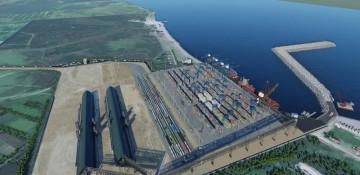
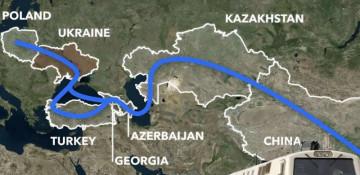
Investments in transportation projects, such as the development of the Trans-Caspian Corridor, underscore Türkiye's role as a link between East and West. These initiatives aim not only to expand economic cooperation but also to bolster Türkiye's strategic position in the region.
Russia's weakening due to the war in Ukraine has provided Azerbaijan with additional opportunities to strengthen its territorial integrity. The special military operation in Karabakh in September 2023 demonstrated Baku's ability to address security issues effectively without external involvement.
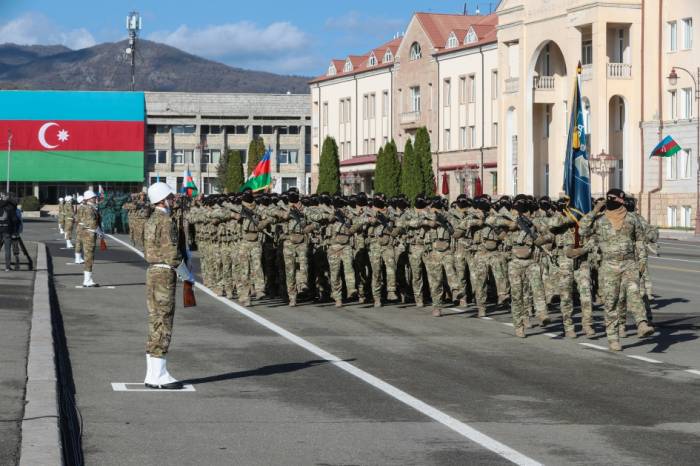
Military parade dedicated to 3rd anniversary of Azerbaijan's Victory in the Patriotic War on November 8, 2023. Photo: AZERTAC
Regaining control over Karabakh and simplifying transportation links through Nakhchivan open new prospects for Azerbaijan. However, this requires balancing the interests of major powers to avoid adverse consequences from external pressure.
Azerbaijan’s actions also exemplify the effective use of economic and military potential to achieve national goals. The integration of reclaimed territories into the national economy and attracting investments provide a sustainable foundation for long-term development.
The example of Uzbekistan and Tajikistan’s interactions in the 1990s highlights the importance of a strategic approach to conflict management. Comprehensive measures, including economic and political restrictions, helped Uzbekistan maintain stability in relations with its neighbors. This experience could be relevant for the South Caucasus, where sustainable development is only possible by curbing external interference.
Iran's internal challenges, such as power outages and economic difficulties, further expose the country to external threats. Strikes on key infrastructure, such as those potentially carried out by Israel, could destabilize the region significantly.
Strengthening the internal capacities of the South Caucasus countries is crucial. Azerbaijan and Armenia, with their entrepreneurial potential, could establish a foundation for mutually beneficial cooperation. However, this is feasible only with minimized external interference and the development of infrastructure projects like the Nakhchivan transport corridor.
The region needs a comprehensive strategy aimed at enhancing internal stability, attracting investments, and strengthening ties with key partners. Such an approach would transform the South Caucasus from an arena of geopolitical struggle into a platform for sustainable development and cooperation.
Successful conflict management in the South Caucasus requires a strategic approach combining economic incentives with the ability to contain and prevent external interference. Only under these conditions can the region's countries realize their potential and ensure long-term stability.
(If you possess specialized knowledge and wish to contribute, please reach out to us at opinions@news.az).


Similar news