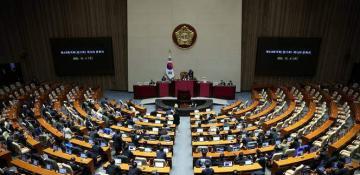
In an unprecedented move, South Korean President Yoon Suk-yeol declared martial law earlier today , plunging the nation into political and social uncertainty. The announcement triggered immediate mobilization of military forces into Seoul, where eyewitnesses reported convoys of military equipment moving through the capital's streets. This development marks a dramatic escalation in the ongoing tensions between the administration and opposition forces, signaling potential long-term ramifications for South Korea's democracy, economy, and social stability, News.az reports.
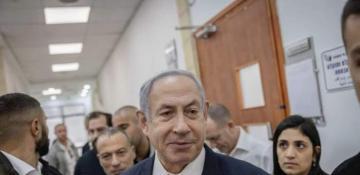
Prime Minister Benjamin Netanyahu's testimony in his ongoing corruption trial is scheduled to begin on December 10 at 9:00 a.m., with the proceedings moved to the Tel Aviv District Court following security recommendations from the judges, News.az reports citing foreign media.
Despite the impending collapse of PM Michel Barnier’s government, French President Emmanuel Macron remained optimistic on Tuesday, News.az reports citing foreign media.
On Tuesday night, President Yoon Suk-yeol declared martial law, marking the most significant challenge to South Korea's democracy since the 1980s. Lawmakers rejected the declaration in a vote, while protesters gathered outside parliament in response, News.az reports citing TRT World.
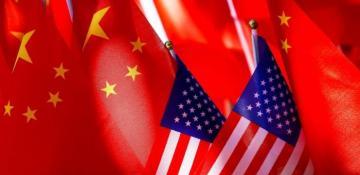
On Tuesday, China announced a ban on exporting critical high-tech materials, such as gallium, germanium, and antimony, to the United States, citing concerns over their potential military uses, News.az reports citing Deutsche Welle.
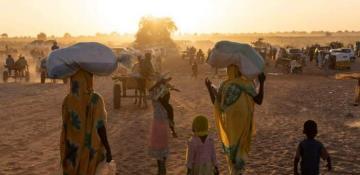
The UN Refugee Agency (UNHCR) has secured early funding commitments totaling $1.5 billion for 2025, as global forced displacement rises to 123 million people, News.az reports citing UN Geneva.
US Deputy Secretary of State Kurt Campbell expressed on Tuesday that the United States is closely monitoring developments in South Korea, a key ally, with 'grave concern'. He emphasized that the US hopes and expects any political conflicts to be settled peacefully and in line with the rule of law, News.az reports citing Reuters.
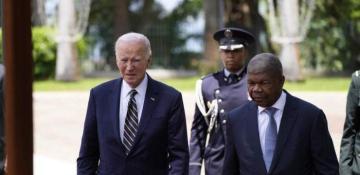
The historic first visit by a US president to a sub-Saharan African nation aims to highlight a 2.8 billion euro US-backed railway project, intended to counter China's growing influence on the continent, including its Belt and Road Initiative, News.az reports citing Euro news.