How Europe is pushing Chinese electric vehicles out of the domestic market


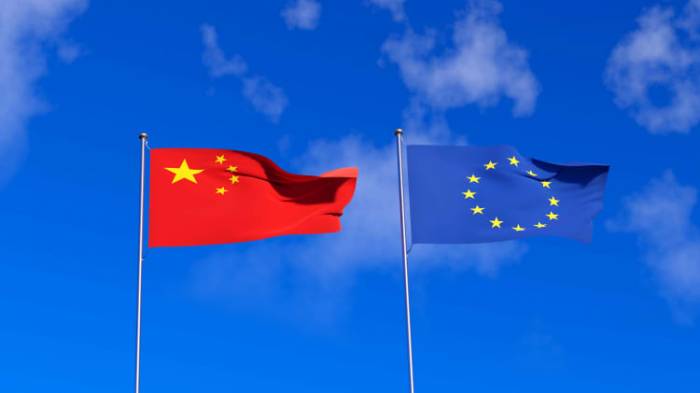
The dispute over tariffs on Chinese electric vehicles between the European Union and China is a complex narrative intertwining economics, geopolitics, and internal power struggles within the EU.
Behind the seemingly straightforward approach of "EU tariffs on Chinese EVs in response to their aggressive market entry" lies a series of causes and consequences, each deepening divisions and indicating new trends in global trade and diplomacy.The EU’s actions reflect growing concern over China’s economic expansion, especially as it strengthens its position in the global EV market. Recent data indicates that Chinese manufacturers control approximately 40% of EV imports to Europe, a trend that has raised alarms among European producers grappling with intense competition, stringent environmental standards, and rising production costs. The tariffs appear to be a protective measure, but they also signal the EU's attempt to curb Chinese access before they can dominate the EV market.
Setting tariffs as high as 45.3% is a litmus test for resilience. With economic downturns and inflation surges, Europe must find ways to support its industries. Yet critics argue that this approach may exacerbate issues, driving up EV prices and limiting accessibility for European consumers . If Chinese EVs become too costly and either exit the market or reduce imports, it could lead to reduced supply and increased prices. Given the transition to a “green” economy, such an outcome serves neither consumers nor the EU’s broader interests.
China's response was swift. The Ministry of Commerce in Beijing urged companies to halt investments, emphasizing support for EU countries that opposed or abstained from voting on the tariffs. This move not only strikes at Europe’s financial interests but also applies internal pressure within the EU.
As China diversifies its investments, it increasingly turns to "friendly" nations outside the EU—Turkey, Middle Eastern countries, as well as Russia and certain African countries eager to offer favorable terms for Chinese enterprises. Through this approach, Beijing mitigates risks while bolstering its influence in regions open to investments without political barriers.
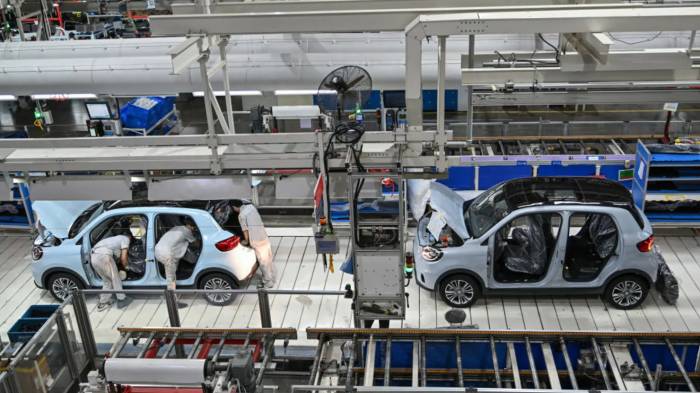
Furthermore, China signals to European countries that their decision is not just an economic maneuver but a political statement that will affect future economic relations. Companies like Geely, SAIC, and BYD have long regarded Europe as a key market, and if the EU holds its stance, these companies may pivot to less saturated but promising markets.
Notably, there is no consensus within the EU on this matter. France, Italy, and Poland have strongly advocated for the tariffs, while Germany, the Netherlands, and several Scandinavian countries voted against them. The divide stems not only from ideological differences but also from pragmatism; German automakers, for instance, rely heavily on exports to China and fear retaliatory sanctions that could hurt their economy more than China’s.
This situation highlights the variance in economic interests among EU members . Southern European countries, with less developed export infrastructure, prioritize protecting local manufacturing. Meanwhile, Germany, the Netherlands, and Denmark, traditionally export-oriented, fear losing a key market. This serves as a clear example of how an economic issue can incite political rifts within the EU, potentially weakening its position on the global stage.
At first glance, the EU appears to be safeguarding its domestic market and manufacturers, while China defends itself from politically driven limitations. In reality, however, there are long-term questions yet to be answered. The EU risks facing a shortage of affordable EVs, potentially hindering its environmental goals. European consumers accustomed to Chinese vehicles will face a reduced selection, choosing between limited local options or pricier alternatives.
If China loses part of the European market, it may concentrate on other regions, strengthening its presence in Africa, the Middle East, and Asia, thereby forming a new economic belt less dependent on Western policies. Should this process continue, it could lead to the creation of an alternative economic bloc, disadvantaging the EU and diminishing its global influence.
This conflict transcends economics, reflecting global shifts where politics increasingly encroaches on trade. Europe strives to maintain its influence amid growing import dependence, especially in its green energy transition. Meanwhile, China actively builds alliances and alternative markets, potentially reducing dependence on Western sanctions.
China can afford temporary losses in Europe, while for the EU, cutting back on Chinese EV imports may prove more costly. Under intensifying U.S. pressure, Europe is forced to navigate between two economic giants, risking unpredictable consequences for its domestic market and political stability.
This tariff dispute is one episode in a complex struggle for economic dominance that is only gaining momentum. The EU faces a significant challenge: balancing internal market protection with its global standing, as China demonstrates strategic flexibility, redistributing resources and influencing power balances in its favor. Without a compromise, this conflict could escalate into a full-scale trade war, which, in the long run, would benefit neither party.


Similar news