How Israel–Iran tensions shape Azerbaijan’s security


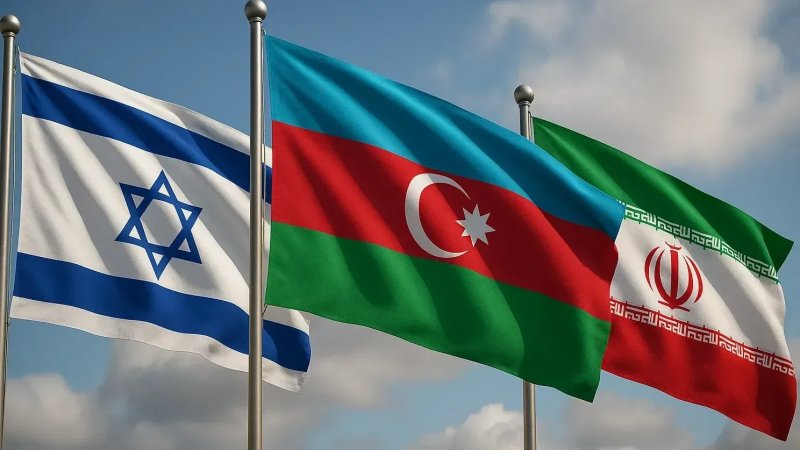
The prospect of renewed escalation between Israel and Iran is no longer theoretical. The events of June 2025 — when Israel carried out large-scale strikes on Iran’s nuclear and military infrastructure, prompting Tehran’s unprecedented barrage of ballistic missiles and drones — reshaped the security landscape across the Middle East.
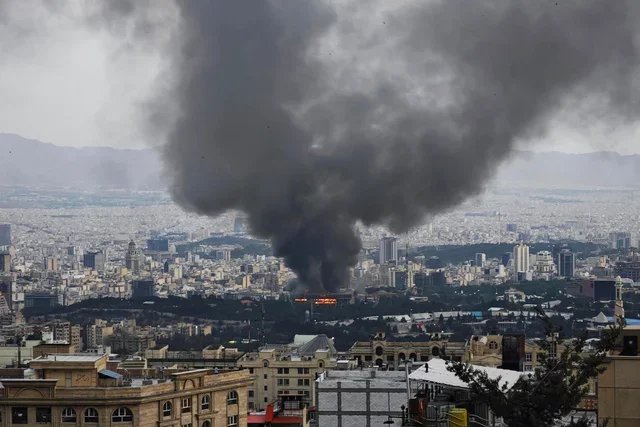
Stringer/Getty Images
Although a temporary ceasefire halted direct hostilities, the core tensions remain unresolved, proxy actors continue their activities, and regional powers are recalibrating their strategies. For Azerbaijan, located at a critical geopolitical crossroads, these developments carry both risks and strategic implications for its regional security architecture.
The June 2025 confrontation demonstrated how quickly a limited escalation can evolve into a wider crisis. Israel’s strikes significantly damaged key elements of Iran’s nuclear program and targeted facilities linked to the Islamic Revolutionary Guard Corps. Iran’s retaliation — more than 150 ballistic missiles and over 1,000 drones — constituted the largest coordinated missile offensive ever launched by a state. While Israel’s multi-layered air defense intercepted the majority of the incoming threats, incidents such as the strike near Soroka Hospital highlighted the human and political cost of escalation.
In the months that followed, international mediators attempted to secure long-term de-escalation, but neither side displayed willingness for meaningful compromise. Iran has continued its nuclear activities, heightening concerns among regional governments, while Israel remains firmly committed to preventing Tehran from advancing toward nuclear weapons capability. The rivalry is structural, ideological, and deeply entrenched, making a durable diplomatic breakthrough unlikely.
For Azerbaijan, this dynamic creates several layers of risk.
First, regional destabilization remains a pressing concern. Iran’s military posture has grown more assertive on multiple fronts. Tehran is strengthening political and security ties with Lebanon, bolstering Hezbollah, and attempting to reinforce the “Axis of Resistance” following its setbacks during the June conflict. Any renewed escalation involving these actors could reverberate across neighboring regions, including the South Caucasus, increasing uncertainty around Azerbaijan’s security environment.
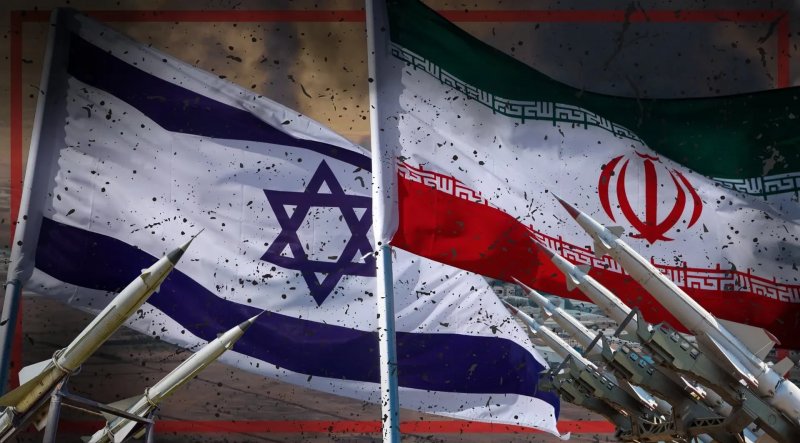
Photo credit: disruptionbanking.com
Second, energy security is increasingly important. Global energy markets remain vulnerable to disruptions stemming from instability in the Persian Gulf, the Red Sea, and the Eastern Mediterranean. For Azerbaijan — a key supplier of oil and gas to Europe and a central pillar of the Southern Gas Corridor — prolonged Middle Eastern volatility may influence global demand, price dynamics, and the security of export infrastructure. Under these conditions, Azerbaijan’s role as a reliable and stable energy partner for Europe becomes even more strategically significant.
Third, the proliferation of proxy warfare poses indirect risks. Iran-backed groups in Iraq, Syria, Lebanon, and Yemen retain substantial strike capabilities, and their actions often serve as instruments of Tehran’s deterrence strategy. Recent measures — such as Iraq freezing the financial assets of Hezbollah and the Houthis — could trigger unpredictable shifts in proxy behavior. Any destabilization along Iran’s western and southern fronts inevitably shapes its northern security calculus, making the South Caucasus an area of heightened sensitivity.
Despite these risks, Azerbaijan maintains a distinctive diplomatic and geopolitical position. It sustains pragmatic relations with Iran while preserving a robust security partnership with Israel, particularly in defense technology — a domain that has become increasingly critical amid the global rise of drone and missile warfare. This balanced approach enhances Azerbaijan’s autonomy and resilience.
Türkiye’s role is equally essential. As Azerbaijan’s closest ally and a major regional power, Türkiye is deeply influenced by Middle Eastern dynamics. Any escalation between Israel and Iran impacts Türkiye’s strategic considerations, which in turn shape the broader South Caucasus. Strong Türkiye–Azerbaijan coordination reinforces Baku’s capacity to navigate turbulent geopolitical periods.
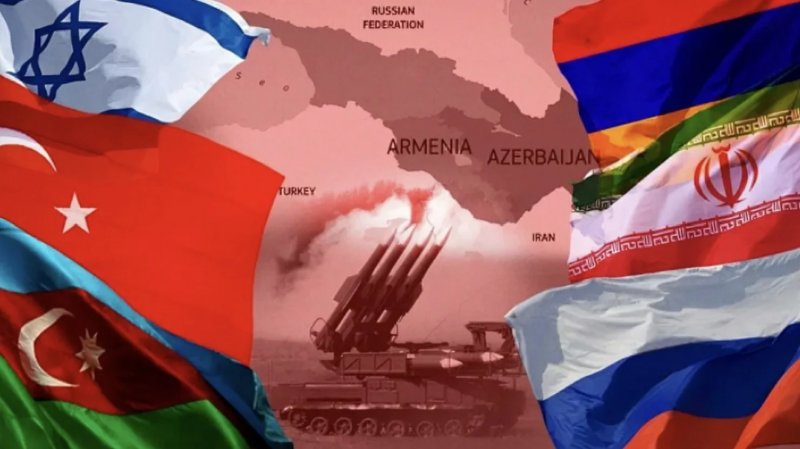
Photo credit: Eurasia Diary
For the European Union, the South Caucasus is now more strategically relevant than at any time in recent decades. Europe’s growing demand for diversified and secure energy supplies elevates Azerbaijan’s importance as a stabilizing regional partner. This provides Baku with additional diplomatic leverage and strengthens its position as a responsible actor committed to regional security.
Given the evolving environment, Azerbaijan’s strategic priorities are clear:
It must continue enhancing its defensive capabilities, especially air and missile defense, given the dominant role of drones and precision-strike systems in contemporary warfare.
It should maintain a balanced and independent foreign policy, avoiding entanglement in external conflicts while preserving productive relations with all major regional actors.
It needs to deepen cooperation with Türkiye and the European Union to ensure the resilience and security of critical energy corridors, which have become vital in the context of global energy market volatility.
Ultimately, while the risk of renewed conflict between Israel and Iran remains significant, Azerbaijan is well-positioned to manage the associated challenges. Through diplomatic balance, military modernization, and strategic partnerships, Baku can safeguard its national interests and maintain stability in a region increasingly shaped by volatility. The lessons of June 2025 underscore the need for flexible, proactive, and multidimensional security strategies — approaches that Azerbaijan has already begun to implement effectively.
By Asif Aydinly


Similar news