How Stoianoglo underestimated Sandu and lost his chances of winning


By Samir Muradov
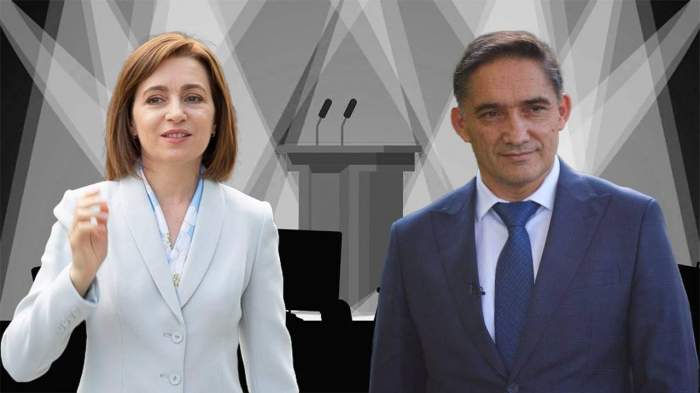
The November 3, 2023, elections in Moldova marked a significant milestone in the country’s path toward European integration. President Maia Sandu triumphed in the second round over moderate pro-Russian candidate Alexandr Stoianoglo, gaining 10% more votes, reflecting a persistent aspiration within a substantial portion of society for a European-oriented future. This result brings hope for political stability and progress toward reform, yet to fulfill her promises, Sandu must overcome a series of internal and external challenges. The parliamentary elections scheduled for 2024 could significantly alter the balance of power in the country, and the potential for coalitions and the need for compromise are already evident on the political horizon.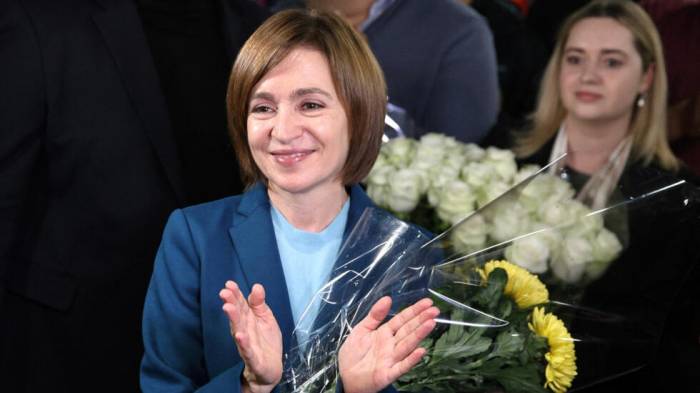
One of the key factors in Sandu’s victory was the robust support from Moldova’s diaspora, which traditionally aligns with European values. Out of the total 1.65 million voters, over 300,000 ballots came from abroad, with 82% cast in favor of the incumbent president. This figure underscores the crucial role of the overseas electorate, without whom Sandu would not have achieved such a decisive lead. Within Moldova itself, the results were more balanced: Stoianoglo received around 52% of the votes, indicating a deep internal divide. This result suggests that a significant part of the population within the country retains pro-Russian sympathies and approaches rapid pro-European initiatives with caution.
The election results also highlight Sandu’s reliance on the diaspora and the pro-European segment of the population, particularly in the capital and major cities. Rural and Russian-speaking regions remain more conservative, emphasizing the importance of a political strategy focused on engaging with these groups.
To win the second round, Sandu had to significantly adjust her political rhetoric. Whereas her earlier stance was firm and at times radical, she pivoted before the final vote to emphasize inclusiveness and readiness for compromise. Sandu promised to implement government reshuffles by the end of the year and to expand dialogue with other pro-European and reformist forces that could become her allies in the upcoming parliament. This shift reflects the importance for Sandu of maintaining broad support amid the challenges she has faced over the past three years.
The October referendum on European integration showed that despite substantial backing for the pro-European course, opposition remains strong and active. Pro-Russian parties, such as the Socialist Party led by former President Igor Dodon, continue to enjoy support among the Russian-speaking population and parts of the conservative electorate. In light of these dynamics, Sandu’s strategic pledge to foster a closer dialogue with opposition forces and society at large is likely to be a cornerstone of her second term.
The election was marked by allegations of external interference. Pro-Russian groups linked to fugitive oligarch Ilan Shor reportedly attempted to disrupt voting among the pro-European diaspora, as well as actively mobilized voters in Moldova’s pro-Russian regions through organized transportation and other measures. Sandu’s National Security Advisor, Stanislav Sekrieru, stated that there were “widespread attempts at interference by Russia,” including cyberattacks on the election infrastructure and the spread of misinformation at Western polling stations. These incidents highlight the vulnerability of democratic processes in the country and underscore the difficulty of maintaining fair elections amid external pressure and destabilization.
Notably, both sides of the electoral process employed unconventional methods to mobilize their voters. For instance, Moldova established only two polling stations in Russia, which sparked significant discontent among pro-Russian voters. In response, Shor facilitated flights for Moldovan citizens living in Russia, organizing their transport through third countries, such as Belarus and Turkey.
Now that Sandu has secured victory, she faces the challenging task of transforming her campaign promises into tangible reforms that will strengthen democracy and serve all segments of society. A key challenge will be building relations with the Russian-speaking population, which remains largely pro-Russian and conservative. If the government continues to ignore or criticize these groups, pro-Russian parties may gain an additional advantage, intensifying tensions and undermining democratic stability.
To successfully implement reforms, Sandu must also intensify efforts against corruption, which remains a significant issue in Moldova. Without decisive steps in this direction, the government’s promises risk remaining empty, and public support could dwindle. Domestic stability and societal trust can only be secured if the government demonstrates genuine progress in anti-corruption initiatives and fulfills its economic and social promises.
Maia Sandu’s victory symbolizes hope for change and democratic progress, yet a challenging road lies ahead. The upcoming parliamentary elections will be a test of her political course and the Moldovan society’s readiness to embrace European values. If Sandu manages to establish dialogue with the opposition and Russian-speaking voters, as well as to implement long-awaited reforms, her victory could mark the beginning of a new chapter in Moldova’s history. Otherwise, without concrete results and concessions, she risks facing a political crisis that could slow the European integration process and threaten the democratic gains of recent years.


Similar news