How Trump will change world geopolitics - INTERVIEW


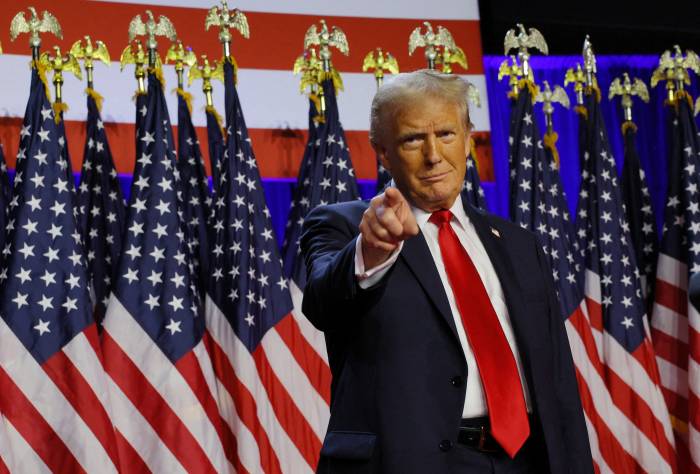
U.S. President-elect Donald Trump gesturing at supporters in West Palm Beach, Florida, November 2024. Photo: Reuters
News.Az presents an interview with Alan Cafruny, the Henry Platt Bristol Professor of International Affairs at Hamilton College.

Alan Cafruny. Photo: Nancy L. Ford
- How would you characterize the main directions of Donald Trump's foreign policy? What are its key differences from the Biden administration's approaches?
- At this stage, it is difficult to make predictions. The composition of the Trump cabinet is still in progress. Trump himself is unpredictable; he and his presumptive cabinet members have given mixed signals, especially with respect to the war in Ukraine. However, it is clear that the neoconservatives and globalists have been placed on the defensive. From an economic standpoint, the neomercantilist policies of the Biden administration will be enhanced. Trump has threatened substantial tariffs, and his reported selection of Robert Lighthizer as U.S. Trade Representative presages significant increases in tariffs and, hence, global economic tensions and instability. With respect to foreign policy, the Trump administration is likely to be even more hawkish on China. However, even with respect to China, many corporate leaders will seek to restrain “decoupling,” given the underlying dependence of many corporate sectors on the Chinese market.
- What do you think will be Donald Trump's approach to the Ukrainian issue? Is it possible that the US will weaken its support for Kiev?
- Trump has stated repeatedly that he will bring the war to an end. Biden’s reckless decisions to allow Ukraine to use long-range missiles and, more recently, anti-personnel landmines appear designed to prevent this: to impede future negotiations with Russia and prolong the war. However, the missiles will have limited impact on the battlefield, and there is increasing support—even within Ukraine—for negotiations and concessions, along the lines of the tentative agreements made in Istanbul soon after the war started. Indeed, Washington’s recent escalation could incentivize concessions on the part of Russia. However, it is not clear that Trump and his foreign policy team either understand or would be willing to accept that Russia will require ironclad guarantees of Ukrainian neutrality—both de jure and de facto—in any peace agreement.
- What do you think will be Trump's approach to Middle East policy? Could he try to revive the "Deal of the Century"?
Trump’s 2020 plan for a quasi-Palestinian state was rejected out of hand by both the settlers and the Palestinian people and leadership. Any such revived plan would, at this point, require even more massive concessions to Israel, thus remaining unacceptable. Indeed, a two-state solution is no longer viable in the short- and medium-term.
-How do you predict Trump's relations with Israel? Could this lead to increased confrontation with Iran?
- Although Netanyahu and Biden have had verbal disagreements, these have not had any practical consequences and have not significantly reduced massive U.S. military support for Israel’s disproportionate attacks on Gaza and Lebanon. There is no doubt that Israel remains a key U.S. ally in the region. While Iran’s actions and signals have suggested that Tehran is interested in conflict reduction, Trump will likely continue to follow Tel Aviv’s lead.
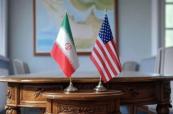
- Should we expect increased sanctions pressure on Iran or possible attempts to achieve a new nuclear deal, but on US terms?
- Prime Minister Pezeshkian’s overtures appear to raise the possibility of a new nuclear deal. However, while there is some ambiguity on the part of Trump and his presumptive cabinet with respect to Russia/Ukraine, there is much less with respect to Iran. Trump himself has been notoriously hawkish and escalatory, as are nominees for Secretary of State and the Department of Defense; the latter, Mike Waltz, has already proclaimed “the return of maximum pressure.” There is, of course, some speculation that Elon Musk’s meeting with Iran’s ambassador to the UN reflected a desire to reduce tensions.
- How might Trump's return affect the balance of power in the world, especially given the growing influence of China and Russia? Can we expect a tightening or, conversely, a softening of the US course in the international arena?
- The Trump administration may be more transactional and less prone to “forever wars” ostensibly designed to promote democracy. The instinctive anti-Russian and anti-Chinese sentiments may be reduced. In the longer run, however, the Trump administration is unlikely to bring about significant softening.


Similar news