Impact of climate change on food production: challenges and prospects


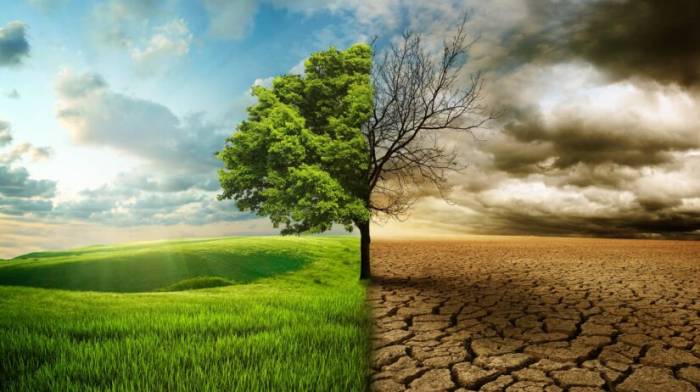
How will climate change affect food production? Can global agriculture adapt to provide enough food for 8, 9, or even 10 billion people? What does the future of farming look like in a warming world, and what consequences can we expect under various scenarios? These questions lie at the heart of discussions about the future of global food security.
Climate change, coupled with rising carbon dioxide (CO₂) levels, influences crop yields in three main ways. Elevated CO₂ levels stimulate plant growth. Crops like wheat and rice (known as C3 crops) benefit the most, as they absorb more CO₂. However, C4 crops—such as corn, sorghum, and millet—see fewer advantages unless they are under drought conditions. Rising temperatures affect crop yields differently across regions. In cooler climates, moderate warming may improve harvests.However, in tropical and subtropical regions, where temperatures are already near the optimum threshold for growth, further warming could significantly reduce productivity. Water is a critical agricultural resource, and both shortages and surpluses can be harmful. Droughts or floods, exacerbated by climate change, threaten crop yields in many regions.
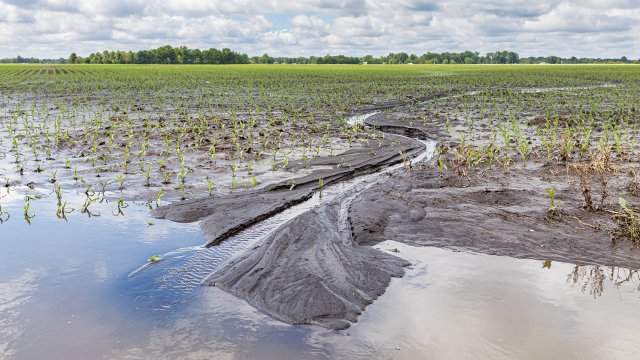
These factors interact, sometimes amplifying or mitigating each other’s effects. Simple predictions like “CO₂ is good for crops” or “higher temperatures will devastate farming” overlook these complexities. Some crops in certain regions may thrive, while others could face severe challenges.
Researchers predict significant declines in the yields of certain crops under different warming scenarios. For example, corn, typically grown in warmer regions, is particularly vulnerable due to limited benefits from CO₂ fertilization. According to Jonas Jägermeyr and colleagues, under a moderate warming scenario (RCP2.6) that limits global temperature rise to below 2°C above pre-industrial levels, corn yields could drop by 6%. In a more extreme scenario (RCP8.5) with temperatures rising by 3-5°C, losses could reach 24%. Without effective adaptation, food systems may face severe challenges. Even cooler regions like Europe could see corn yields decline by up to 20%, illustrating that climate change will impact not only tropical areas but also temperate zones, potentially destabilizing global food systems.
The future of agriculture and food security depends on how quickly humanity adapts to new climate realities. In the next part of this series, we will explore adaptation strategies—how technology, farming practices, and international cooperation can help mitigate climate change’s impact and ensure food security for the world’s growing population.
Climate change will impact crops differently. While corn faces significant risks, the outlook for wheat appears more favorable, demonstrating the importance of the carbon fertilization effect. One study suggests that without the carbon fertilization effect, a 2°C warming could reduce wheat yields by 6.6%. However, with this effect considered, yields could rise by 1.7%. In Europe, winter wheat yields are projected to decline by 9% by 2050 without CO₂ fertilization, but with it, they may increase by 4%. In an extreme warming scenario (RCP8.5), wheat yields could rise by 18%, underscoring the role of carbon fertilization in stabilizing and even boosting yields under warmer conditions.
For rice and soybeans, higher temperatures will negatively affect yields, but this effect will be partially offset by CO₂ fertilization. In regions like China, India, Bangladesh, and Indonesia, a meta-analysis shows potential yield gains of 0-10% in the most favorable scenarios. Understanding global trends is essential, but local analyses are equally important. Crop yields will vary significantly based on geography. Temperate and high-latitude countries may experience fewer adverse effects—and, in some cases, yield increases—while tropical and subtropical regions are more vulnerable, facing steeper declines and fewer adaptation opportunities.
Many tropical regions are already near the optimal temperature range for crops. Further warming would exceed this threshold, reducing yields. C4 crops, such as corn, sorghum, and millet, which dominate warmer regions, benefit less from elevated CO₂ levels. As temperatures rise, these crops are likely to suffer yield losses without sufficient compensation from CO₂ fertilization. A visual study by Jonas Jägermeyr and colleagues, published in Nature Food, illustrates how crop yields vary across latitudes. The vertical line for each crop covers a range from 90°N to 60°S latitude. The horizontal axis reflects projected yield changes under climate change—yield increases are shown on the right in blue, while declines are marked on the left in red.
The data confirm that cooler climates may see yield improvements for many crops. However, tropical regions—where temperatures are already at or near agricultural limits—could experience significant losses with even slight warming. The location of agricultural production plays a crucial role in understanding how climate change will affect food systems. Even if rice yields increase in Northern Europe, it will have little impact on the global market since rice is not widely grown there. Thus, it is vital to assess which crops are grown where to identify vulnerable regions and those that may benefit from warming.
The most significant yield gains are expected in high-latitude regions. Meanwhile, areas closer to the equator and within the tropics are likely to experience sharp declines in yields. Corn, in particular, is highly vulnerable. Its cultivation zone spans from 60°N to 30°S latitude, covering regions from southern Canada to northern Europe. However, corn is grown in limited quantities in these areas. The only regions where corn may avoid yield losses are Scandinavia, Russia, and Canada, where corn currently plays a minor role in agriculture. In contrast, major producers—such as the U.S., China, South America, and Sub-Saharan Africa—could face substantial losses of 20-25% under extreme warming scenarios.
Wheat shows a more optimistic outlook, with yield increases expected in Europe and northern India, though southern India may see declines. Soybean and rice yields are likely to change less significantly, as most regions where they are cultivated will not experience drastic climate shifts. While the U.S. may see slight gains in soybean yields, South America’s yields could be at risk.
An analysis by Ehsan Ehsani Rezaei and colleagues supports these projections. Even under moderate warming scenarios, corn yields are expected to decline—from France to China, and from the U.S. to Brazil. Meanwhile, wheat shows positive trends almost everywhere, and changes in rice yields remain minor. Key crops like millet and sorghum, crucial for food security in India and West Africa, are projected to face declines.
These forecasts highlight the importance of region-specific approaches to agricultural adaptation. Special attention must be given to crops and regions most vulnerable to climate change. Technologies aimed at improving crop resilience—such as developing drought- and heat-tolerant varieties—will play a critical role in ensuring future food security.


Similar news