India enters the race for Africa against China


By Tural Heybatov
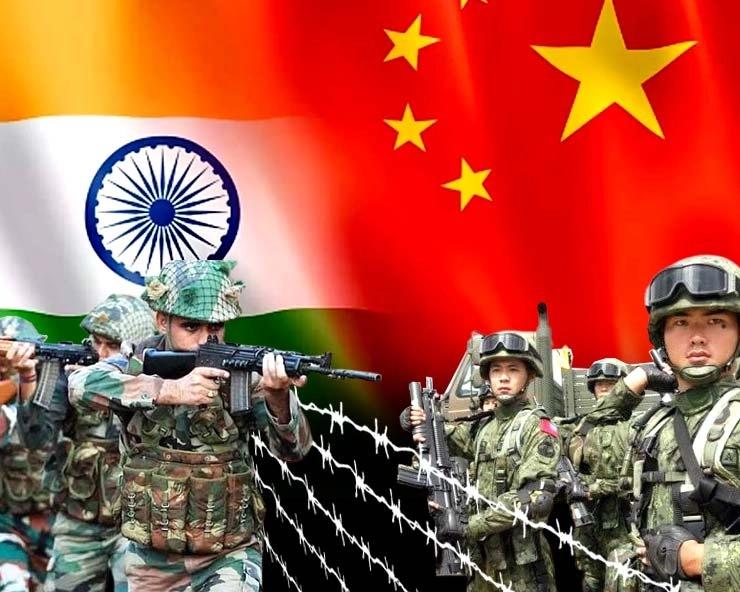
India has taken a bold step to strengthen its influence in Africa by holding its first-ever joint military exercises with 11 African countries, dubbed AIKEYME 2025. Conducted off the coast of Tanzania, these drills focused on anti-piracy operations and naval coordination. India is already deepening military cooperation with Ethiopia, Nigeria, Mauritius, and the Seychelles, supplying military equipment and supporting officer training programs.
The launch of these exercises signals India’s intent to expand its footprint in Africa beyond economic engagement. The country aims to assert itself as a global power, and an active presence on the continent—now the focus of many international players—offers a strategic springboard toward this goal. India’s ambition is clear: to prove it can offer more to Africa than China.
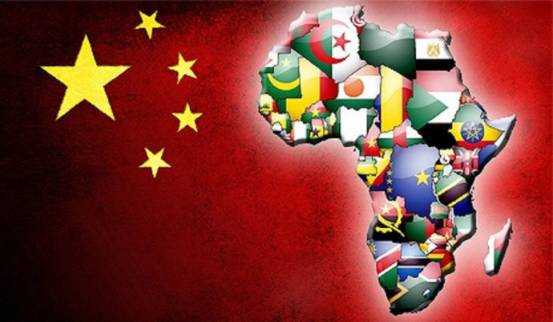
However, competing with China on the African continent will not be easy. China has long focused on infrastructure and development, areas where India still lags. Over the past decades, Beijing has invested billions of dollars in Africa, delivering tangible results through the construction of roads, bridges, power plants, and other critical infrastructure.
Source: Webdunia English
India’s growing concern about China's military presence was heightened in 2017 when Beijing established its first and only overseas military base in Djibouti, located near a U.S. military installation at the mouth of the Gulf of Aden. This strategic move aims to extend China’s reach toward the Persian Gulf.
India, however, holds a unique advantage that China lacks—a vast and influential diaspora. The Indian community has been present in East Africa since before the colonial era and expanded significantly under British rule. Today, this diaspora represents a key asset in India's efforts to strengthen ties with African nations.
India is also working to boost its economic influence in Africa, although it remains far behind China in trade volume. In 2001, India’s trade with African countries totaled just over $5 billion. By 2020, it had risen to approximately $67 billion. India actively supports private investors and regularly organizes business forums. Its key African partners include Nigeria, South Africa, Angola, Egypt, Morocco, and Algeria, which together account for nearly 90% of India's African imports.

Source: econews
India’s energy dependence on Africa is also growing, with nearly a quarter of its crude oil and gas imports coming from the continent. The country also sources uranium from Nigeria and Namibia, along with gold, gemstones, and various ores. In return, India exports refined petroleum products, automobiles and spare parts, pharmaceuticals, textiles, electronics, and more. One of India's most significant contributions is its provision of affordable medicines, which played a crucial role in helping African nations in the "meningitis belt" combat meningococcal disease.
While India currently trails China in investment volumes, it ranks among the top ten foreign investors in Africa. Indian investments span telecommunications, construction, information technology, finance, banking, healthcare, and food industries. Mauritius, with its favorable tax regime, receives the bulk of these investments, followed by Mozambique and South Africa.
Indian Prime Minister Narendra Modi is advancing the so-called "Indira Doctrine", named after former Prime Minister Indira Gandhi. This strategy aims to establish India’s dominance in the Indian Ocean, directly countering China’s "String of Pearls" initiative, which seeks to develop port infrastructure and dual-use facilities in Pakistan, Myanmar, Bangladesh, and Djibouti.

Source: warriorsdefenceacademy
Experts note that China's "String of Pearls" strategically passes through regions critical to India's energy security, especially its oil and gas imports from Africa. In response, India has launched the "Diamond Necklace" strategy, aimed at building military bases and civilian infrastructure to counter China's influence. However, analysts believe that India’s military presence is likely to remain limited to the western Indian Ocean, as China has already outpaced India in the east.
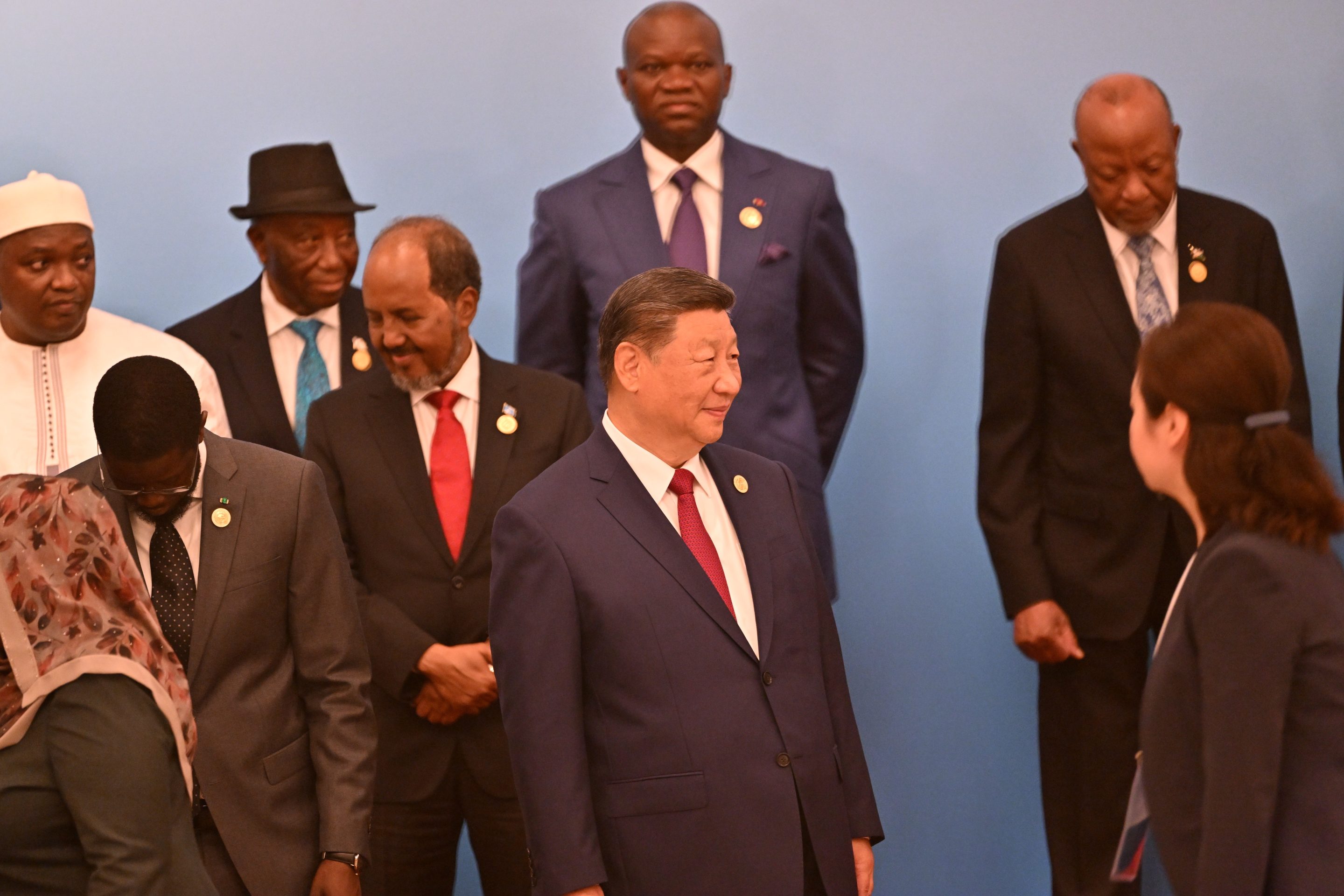
Meanwhile, China continues to expand its influence. In September last year, Beijing hosted the 9th Forum on China-Africa Cooperation (FOCAC), attended by representatives from 53 African countries, including 51 heads of state—outnumbering the participation of African leaders at the UN General Assembly held the same month.
China’s engagement with Africa dates back to the 1990s. Over the years, it has built a positive image by opening its universities to African students, integrating Chinese educational programs into African institutions, and training local specialists in Chinese technologies. African mining engineers have received training in China, and many industrial facilities in Africa now operate using Chinese advanced equipment. Beijing has also funded telecommunications projects in Kenya and Tanzania, contributing to local security infrastructure.
Source: chinausfocus
China’s approach emphasizes non-interference in the internal affairs of African nations, distinguishing it from the more interventionist policies of countries like the United States and France. This neutrality has made China an attractive partner for African countries seeking to maintain political and economic independence.
At the conclusion of the recent FOCAC summit, China and its African partners adopted a 2025–2027 Action Plan, outlining ten key initiatives across various sectors. These include supporting the extraction and processing of critical minerals, developing ten industrial parks, and conducting 100 industrial training programs. China also pledged $140 million worth of food aid, the creation of one million jobs, and the training of 1,000 agricultural specialists.
Additionally, China plans to launch 30 green energy projects and engage African countries in its lunar and Mars exploration programs. In the security sphere, China will provide a $140 million military grant, train 6,000 military personnel, and host 500 African officers for advanced training.
Source: fortune
To fund these initiatives, China has committed $51 billion in loans and investments to Africa.
According to the International Trade Center (ITC), China’s trade with Africa reached $283 billion in 2023, nearly 20 times higher than in 2000. China’s primary African partners include South Africa, Angola, Nigeria, the Democratic Republic of Congo, and Egypt. Today, China ranks as Africa’s second-largest trading partner, trailing only the European Union.
India hopes to challenge China's position, but the gap remains significant. Nevertheless, the competition for Africa’s future is just beginning. Both India and China recognize that Africa is not just a market for goods and raw materials but a continent of untapped potential—home to the world’s fastest-growing population, vast natural resources, and emerging economies with increasing geopolitical weight.
For India, success in Africa could elevate its global status and help secure vital energy resources and strategic alliances in a multipolar world. It would also strengthen New Delhi’s ambitions to position itself as a leader of the Global South, offering an alternative to both Western and Chinese models of cooperation.
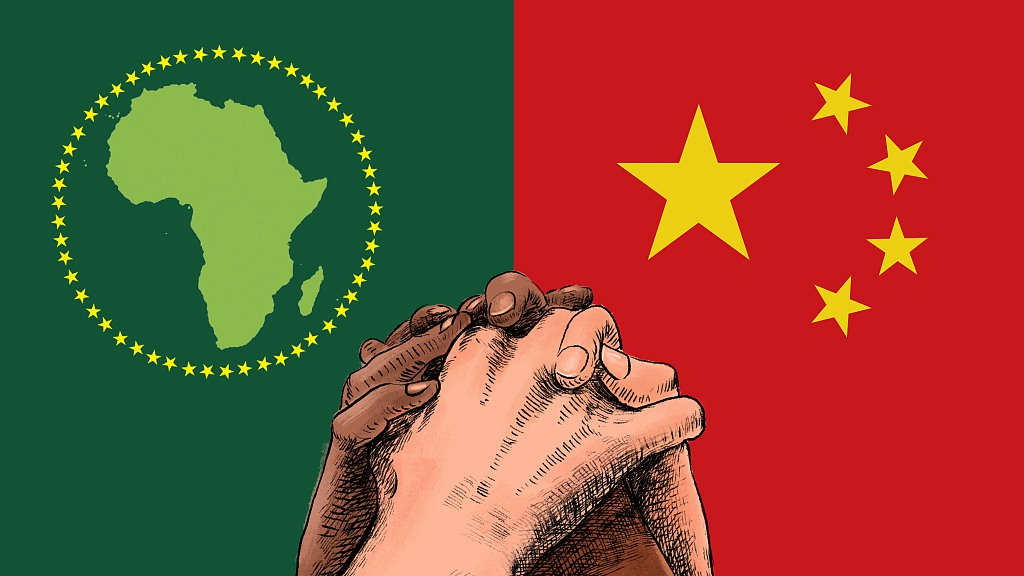
Source: cgtn
For China, deepening its already dominant role in Africa is part of a larger vision to reshape global trade routes, expand its geopolitical influence, and build long-term partnerships that support Beijing’s Belt and Road Initiative. With billions already invested, China is not likely to step back without defending its achievements.
As the competition heats up, African nations themselves hold the decisive power. Rather than becoming arenas for great-power rivalry, they have the opportunity to leverage this competition to their advantage—demanding fairer terms, better investments, and greater respect for their sovereignty. Whether Africa will succeed in turning this geopolitical contest into a win for its own development remains one of the key questions shaping the 21st century.


Similar news