INTERVIEW: The October tragedy and Israel’s future: Current challenges


The past year has been one of the most challenging periods in Israel’s modern history. From devastating attacks by terrorist organizations to ongoing threats from neighboring regions, the country has faced numerous security and geopolitical crises.
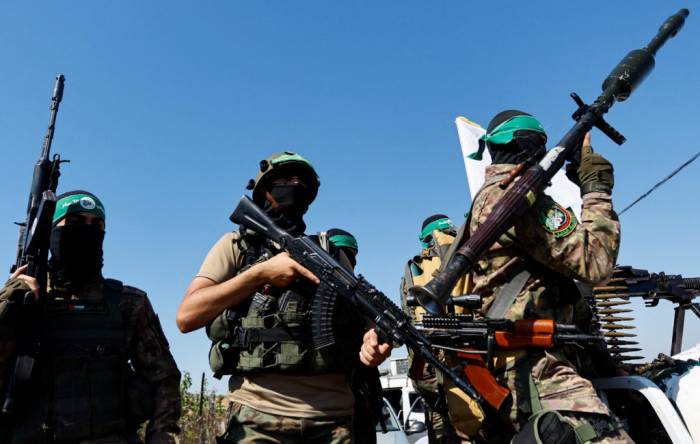
The tragic events of October 7, when Hamas launched a brutal assault on Israeli civilians, shocked the world and reshaped the security landscape in the Middle East. As Israel continues to respond to these threats, the military and political leadership are making critical decisions to protect the nation's future, while balancing the complex realities of regional diplomacy and defense.News.Az presents an interview with Israeli political analyst Roman Gurevich.

- How did Israel respond to the tragic events of October 7, and what can you tell us about the horrors that took place?
- October 7, 2023, became one of the most tragic dates in Israel’s recent history. As a result of the Hamas terrorist attack, more than 1,200 civilians—women, children, and young people—were killed. The attack was marked by horrific acts of brutality. For example, there were cases where terrorists burned people alive. One such instance was discovered at a pathology institute, where the remains of a father and daughter, tied together, were found to have been burned alive. This is just one of many horrors that took place during those dark days.
- How did the situation develop after the attack? How did Israeli authorities and the military response?
- Israel was forced to immediately repel the Hamas attack. The very next day, Hezbollah began launching attacks from the northern regions. The situation quickly became extremely dire—tens of thousands of people were forced to flee their homes in the south and north, as cities were hit by rocket strikes, and infrastructure was being destroyed. The country’s political leadership initially decided to hold back on a response on the northern front, which led to further destruction. However, once the decision was made, the military successfully carried out operations against Hezbollah, eliminating key targets.
- What is the current situation in the south, in the Gaza Strip, and what steps are being taken to resolve the conflict?
- The situation in the Gaza Strip remains tense. For a long time, there was a policy of "appeasing" Hamas, which was seen as the "lesser evil." Since 2018, millions of dollars from Qatar were being transferred to Gaza monthly in hopes of preventing aggression. However, this money was used to build underground tunnels and buy weapons. The military has completed its task of clearing the Gaza Strip. The political leadership of Israel has yet to make a final decision about what will happen in Gaza after the end of hostilities. Whether the Palestinian Authority will take over or a different form of governance will be established remains uncertain. This decision must be made, as it is still unclear who will take charge. For now, power de facto remains in the hands of a weakened but not entirely defeated Hamas... Unfortunately, this is the current situation.
- What threats does Iran pose, and how is Israel preparing for possible attacks?
- Israel is in a complicated situation with Iran. On the one hand, we have the capabilities to cause significant damage to Iran’s nuclear program, its oil fields, and infrastructure. However, any response must be carefully calculated to avoid provoking a full-scale regional war. Iran has threatened not only to strike Israel but also our allies, such as Saudi Arabia and other Gulf countries. Despite these threats, Israel has all the necessary resources—our army, intelligence services, and surveillance—to carry out any mission required.


Similar news