Is Moldova ready for EU integration?



Editor's note: Mikhail Poysik, former head of the State Planning Department of the MSSR, candidate of economic sciences, Vice Minister of Industry and Trade (1995-1997). The article expresses the personal opinion of the author and may not coincide with the view of News.Az.
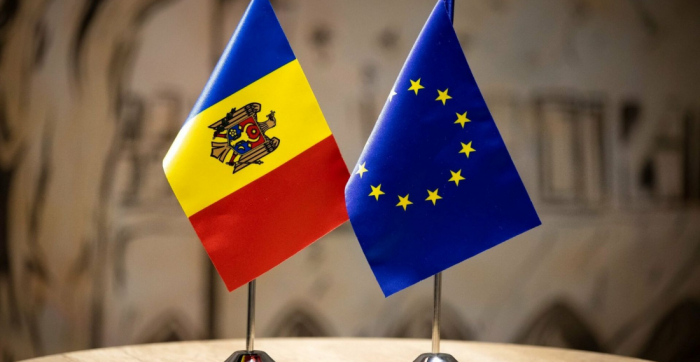
On June 23, 2023, the Republic of Moldova was granted candidate status for accession to the European Union. This significant event marks the beginning of a new phase in the country's history, opening up prospects for closer interaction with European states. However, this path to EU integration, confirmed by the European Council's decision on December 14, 2023, to start negotiations, is not only long but also complex. At this stage, Moldova is undergoing an assessment of the compliance of its national legislation with EU requirements. This is just the first step on a path that will require significant efforts and transformations.Moldova, once known for its advanced agricultural technologies, high-tech industry, and harmonious development of education, science, and culture, today faces serious problems. The main issue is the gradual transformation of the country into one of the poorest states in Europe. This transformation is accompanied by mass emigration: tens of thousands of citizens leave the country annually in search of better opportunities for self-realization abroad.
Although national statistics for 2023 are not yet available, previous years have shown worrying trends. Only about half of the economic entities in Moldova report profits. This indicates that a significant portion of enterprises face financial difficulties, undermining overall economic stability. Particularly concerning is the consumer price index, which in 2022 was 130.24%. Such a level of inflation significantly complicates business conditions and undermines the purchasing power of the population.
Nevertheless, the number of economic entities continues to grow, indicating the current government's inability to effectively manage the state under high levels of corruption. This raises questions about how prepared Moldova's economy is for EU accession and what reforms are necessary to meet EU requirements.
To become a worthy partner for the EU, Moldova needs to significantly narrow the gap in GDP per capita with European figures. This requires sustainable economic growth. Realistically, Moldova will be able to integrate into the EU with an annual GDP growth rate of around 8%. However, data for 2023 show that GDP increased by only 0.7%, and in the first quarter of 2024, it grew by only 1.4% compared to the same period last year. These figures indicate that the current pace of economic growth is insufficient to achieve integration goals.
Moreover, Moldova shows only the ability to increase its debt obligations. The external public debt has increased by 2.17 times during the current government's rule. These funds are directed not towards infrastructure and economic development but towards servicing previously taken loans and current consumption. Domestic debt has also grown by 1.71 times, indicating a lack of funds to cover the state budget deficit.
The main task for Moldova on the path to EU integration is to carry out deep economic reforms. It is necessary to improve the business climate, reduce the level of corruption, and create conditions for attracting foreign investment. This will require a review of tax policy, improvement of the legal system, and strengthening of institutions that ensure transparency and accountability.
However, given the current realities, discussions about possible EU accession should be taken as seriously as Farjatev's well-known fantasies. No more than that. In the context of the numerous economic and social problems Moldova faces, talks of imminent EU membership seem far from reality. The economic situation in the country, characterized by high inflation, low GDP growth rates, and growing public debt, does not allow for serious consideration of EU integration prospects in the near future.
At this point, Moldova should focus on internal reforms and stabilizing its economy. Only after the main economic problems are solved can real chances of EU membership be discussed. Otherwise, all discussions on this topic will remain mere fantasies without a real basis.
(If you possess specialized knowledge and wish to contribute, please reach out to us at opinions@news.az).


Similar news