After a quarter-century of negotiations, the European Union and the South American Mercosur bloc (Brazil, Argentina, Paraguay, and Uruguay) are set to officially sign a free trade agreement on Saturday, January 17. The deal will open access to the EU market for more than 700 million people and cover a quarter of global GDP, while also providing Europe with new opportunities to export industrial goods and automobiles.
The agreement will eliminate 35 percent tariffs on cars and auto parts, which had previously prevented European manufacturers from effectively competing with Chinese companies in this market.
Brazilian President Luiz Inácio Lula da Silva called the agreement “a rare victory for dialogue and cooperation,” while European Commission President Ursula von der Leyen emphasized its importance for multilateralism in what she described as “a hostile and deal-oriented world,” according to media reports.
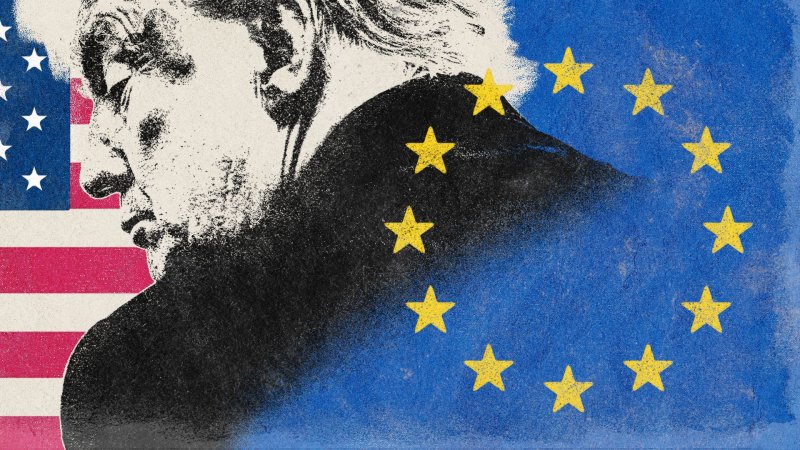
On January 9, despite protests from European farmers and a broader global trend toward retreating from free trade following Donald Trump’s return to the White House, the European Union approved the trade deal with South America’s largest economies. Most EU member states gave their consent. Once the agreement is concluded, European markets are expected to see increased imports of meat, sugar, and other goods from across the Atlantic, in exchange for tariff-free exports of European cars, medicines, wines, and cheeses to South America.
Source: Peoplesworld
Both sides stand to gain from the deal. As noted, the EU will be better positioned to compete with China in the South American market, while the continent’s countries will gain access to the vast and affluent European market. However, it is too early for full celebration, as the agreement must be ratified by each EU member state before it can enter into force.
According to media reports, while Germany and Spain are expected to ratify the deal enthusiastically, countries such as Ireland, Hungary, Poland, and France may delay the process due to domestic pressure from dissatisfied farmers. One need only recall the farmers’ protests in France, when streets were filled with manure and rotting vegetables.
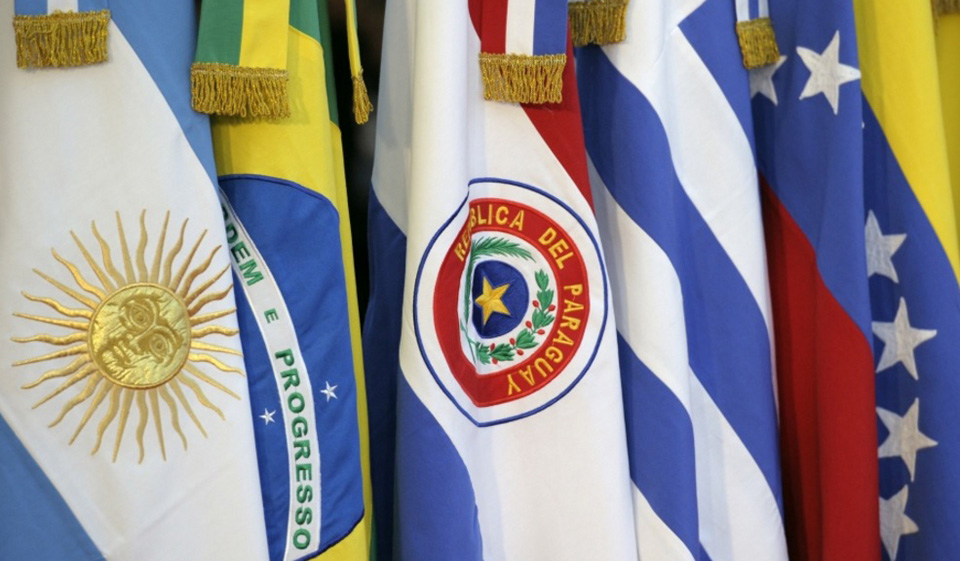
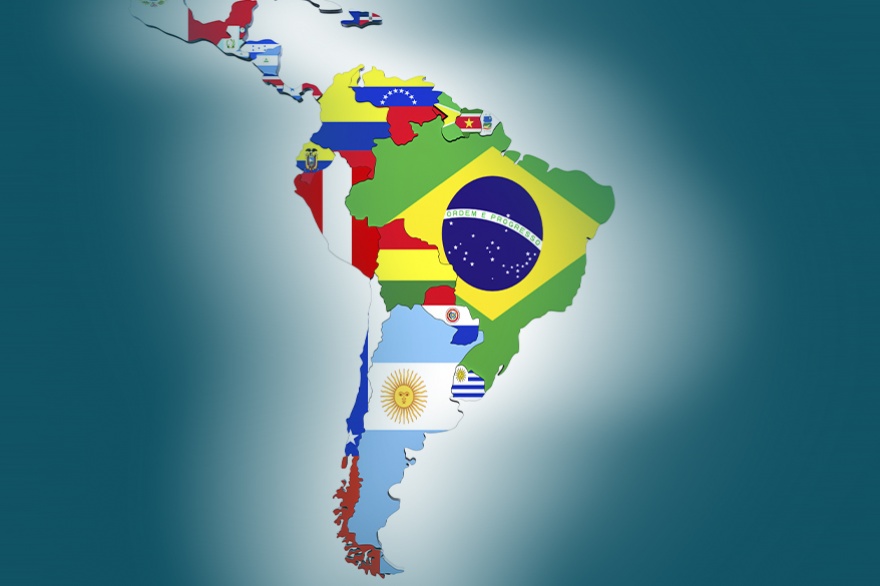
It is worth noting that Mercosur (Southern Common Market) is a trade bloc whose full members include Argentina, Brazil, Paraguay, and Uruguay, with Bolivia joining in 2024. Venezuela’s membership has been suspended due to democratic backsliding. Associate members include Chile, Colombia, Peru, Ecuador, Suriname, and Guyana. The organization’s primary goal is to create a common market and strengthen economic ties across South America.
Mercosur accounts for 55.3 percent of the population of Latin America and the Caribbean (over 300 million people), 40 percent of foreign direct investment in the region, and 33 percent of total foreign trade. The bloc’s combined GDP stands at $3.3 trillion, making it the second largest customs union after the EU and the third largest free trade area after the EU.
Source: Revistainnovacion
In terms of trade volume, the European Union is Mercosur’s second largest partner after China. Although Donald Trump has declared Latin America a zone of exclusive U.S. interest, the United States remains not the continent’s largest trading partner. The agreement scheduled for January 17 is likely to widen this gap further.
As a reminder, negotiations between the European Commission and Mercosur concluded in December 2024. Following talks with the presidents of Brazil, Argentina, Paraguay, and Uruguay, European Commission President Ursula von der Leyen stated that the agreement would be mutually beneficial and deliver significant advantages for consumers and businesses on both sides.
“We have focused on fairness and mutual benefit. We listened to our farmers’ concerns and acted accordingly. This agreement includes robust safeguards to protect your livelihoods. The EU–Mercosur deal is the largest agreement in history in terms of protecting EU food and beverage products. More than 350 EU products are now protected by geographical indications. Moreover, our European standards on health and food safety remain non-negotiable. Mercosur exporters will have to strictly comply with these standards to access the EU market. This is the reality of an agreement that will allow EU companies to save €4 billion per year in export duties,” she said.
According to the European Commission’s website, the agreement will strengthen strategic trade and political ties between like-minded and reliable partners, promote economic growth, boost competitiveness, and enhance resilience on both sides. It takes into account the interests of all Europeans, including the critically important agricultural sector, and is designed to increase EU agricultural exports while protecting vulnerable industries.
Source: News.Az
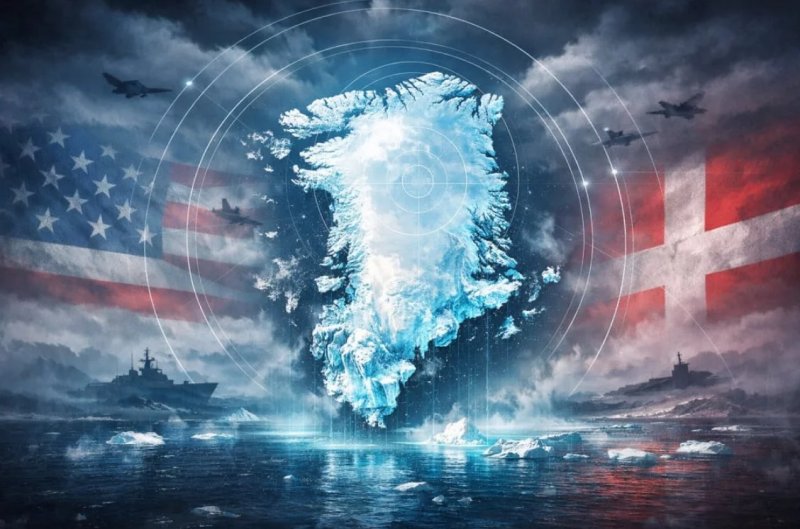
Some analysts have sarcastically suggested that Europe rushed to conclude this deal with Latin America while Trump is preoccupied with Greenland. On closer inspection, however, this may be more than just a joke.
Following the arrest of Venezuelan President Nicolás Maduro, Washington effectively announced new rules for how the world would be governed. The U.S. State Department declared the Western Hemisphere a zone of American interest, stating on X: “This is our hemisphere, and President Trump will not tolerate threats to our security.” The post was accompanied by a black-and-white photo of Trump with the caption: “This is our hemisphere.”
Back in December, Trump had already signaled his intention to revive the Monroe Doctrine and reassert U.S. dominance in the Western Hemisphere. After Maduro’s arrest, few doubts remained about the seriousness of that intention.
Trump has since begun issuing warnings to the leadership of Cuba and Colombia.
Even so, it remains uncertain whether Washington will oppose free trade between the EU and countries that Trump considers part of America’s exclusive sphere of influence. So far, his demands have focused primarily on urging Latin American nations to expel Chinese, Russian, and Iranian influence.
By Tural Heybatov
News.Az