"Made in Russia" brand prepares to conquer global markets


By the end of 2024 , the Russian government and the Russian Export Center (REC) are set to unveil a strategy to promote national goods and services abroad under the brand "Made in Russia."
This initiative, directed by President Vladimir Putin following a State Council Presidium meeting, aims to expand non-resource exports to allied countries. The new brand is envisioned as a marker of high-quality Russian products, reinforcing the country's standing on the world stage.Shifts in export destinations
Recent years have introduced significant shifts in Russia's foreign trade, driven by sanctions and Western efforts to economically isolate the country. Despite economic pressure, Russia has strengthened ties with a range of allied nations, redirecting a substantial share of trade to these partners. According to REC data, non-resource exports to friendly countries accounted for 60% in 2021, rising to 86% by 2024.
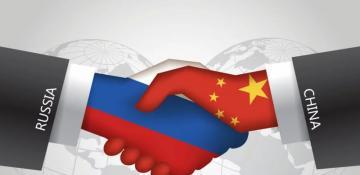
Russia’s primary partners today include China, Belarus, Kazakhstan, Turkey, India, Egypt, and countries across Africa and Latin America. By expanding its export potential, Russia offsets the decrease in trade with Western nations, channeling its goods and services to regions interested in collaboration. Key export areas include food products, machinery, and advanced infrastructure solutions that remain in steady demand.
What will be "Made in Russia" for the global market
Agriculture and machinery sectors have already established a foothold abroad. REC emphasizes that these industries hold substantial export potential. For instance, Russia is a global leader in grain and oil exports, actively promoting its agricultural products. Increased domestic production enables Russia to supply not only raw products but also higher-value processed goods to international markets.
The new program also focuses on industrial raw materials, advanced infrastructure equipment, IT solutions, pharmaceuticals, and transportation. Russia’s expertise in information security, critical infrastructure protection, digital solutions for government-business interaction, and e-government initiatives is in high demand. In some countries, Russia has already proven to be a reliable partner, executing major infrastructure projects such as pipelines, nuclear power plants, and metro systems. This allows for extensive involvement of Russian manufacturers and suppliers, fostering opportunities for long-term contracts and mutual investment.
Why the "Made in Russia" national brand matters
The creation and promotion of the "Made in Russia" brand aim to build a positive image of Russian products abroad. REC notes that the program's concept will not only promote goods and services but also introduce Russia’s cultural and value aspects. The national brand is expected to symbolize high quality, reliability, and safety. In the long term, it will help increase non-resource and non-energy exports by creating a favorable image for Russian products in global markets.
Plans for promoting goods include exhibitions under a unified brand at major international fairs, dedicated trade shows, extensive information campaigns, brand ambassadors, and tasting pavilions. Additionally, B2B events are planned to foster new connections with foreign companies. Significant expectations are tied to the Global South—a promising market for Russian goods and services. Russia is prepared to offer developing countries comprehensive solutions for modernizing their infrastructure, as well as educational, medical, and IT services.
Challenges and prospects
Sanctions imposed in 2022 led to a notable decline in exports, but adaptation to the new reality has stabilized the situation. According to the Federal Customs Service, export volume in the first eight months of 2024 reached $278 billion—nearly matching the same period last year. Olga Magomedova, an analyst at the Institute of International Economics and Finance, observes that successful promotion in the global market will require not only reliance on traditional export categories but also an increase in mass-market products. Such goods could attract foreign consumers and generate sustained interest in the "Made in Russia" brand.
Small and medium enterprises (SMEs) are also emerging as vital players in the external market. REC reports that small companies are actively engaging in exports by signing contracts with foreign partners through the "Production Cooperation and Sales" platform. Their products in high demand include metal goods, equipment, rubber products, electrical equipment, and chemical products.
Export support tools
The new program includes a suite of government support measures. These include subsidies from the Ministry of Industry and Trade and the Ministry of Economic Development, export insurance programs, as well as simplified customs procedures and quotas for certain products. Coordination with REC will be crucial, as it will support SMEs in entering international markets.
The focus is shifting from raw materials to high-value-added products. Economist Oleg Abeleev highlights that high-tech sectors—microelectronics, programmable machinery, and software development—will receive particular attention. This will enable Russian companies to compete on a global scale, where innovation and high-quality products are highly valued.
The "Made in Russia" brand is poised to become a symbol of quality and competitiveness on international markets. The program's success will depend on how effectively Russia can support small and large producers and on their ability to meet high standards demanded by foreign markets. The new national brand is a challenge for Russia’s entire industry and economy, and the successful promotion of "Made in Russia" could mark a significant step toward strengthening the country as a producer and partner on the global stage.


Similar news