Middle East on edge: Anti-Iran coalition takes shape


Editor's note: Prof. Zeev Khanin teaches at the Department of Political Studies and heads Post-Soviet Conflicts Research Program at the BESA Center for Strategic Studies, Bar-Ilan University.
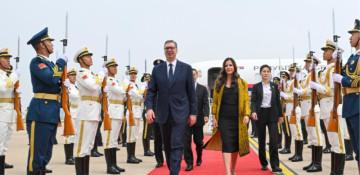
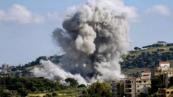
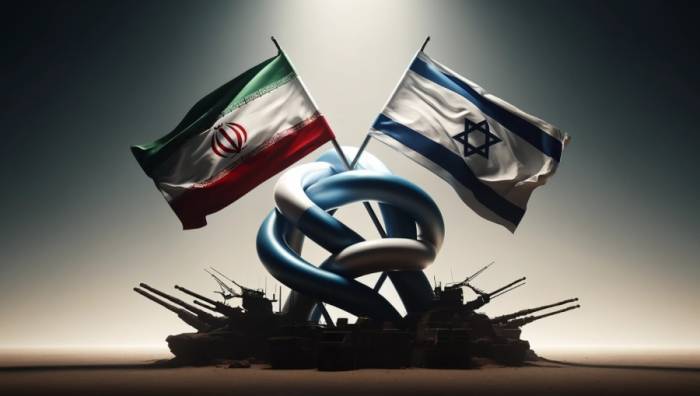
At this stage, resolving the conflict between Iran and Israel through diplomatic means seems unlikely. The United States, European countries, and Arab states do not demand restraint from Iran, but expectations remain that retaliatory strikes by the parties will be minimized. This is due to the fact that a large-scale escalation of the conflict could have serious consequences for global stability and security. Israel has chosen a tactic of minimal reactions, as demonstrated by the assassination of Haniya, which was a painful but targeted strike for Iran. Thus, Iran and Hezbollah are trying to convince their supporters of the need to minimize retaliatory strikes to avoid full confrontation.The process of forming a new anti-Iran coalition is gaining momentum and, apparently, is almost complete. The authorities of Jordan and Saudi Arabia have already announced the closure of their airspace to Iranian missiles and drones heading toward Israel and have declared their readiness to shoot them down. This indicates the existence of a coalition against Iran, which may include other countries concerned about Tehran's growing influence in the region. Jordan and Saudi Arabia also view this step as a way to strengthen their positions on the international stage and demonstrate their commitment to regional security.
In Israel, de-escalation of the conflict is not expected, although the likelihood of a full-scale war is also not guaranteed. Most experts believe that limited strikes are possible, after which tensions may temporarily decrease, but this does not mean that the conflict will be resolved. The prospect of escalation to a major conflict remains and could materialize if significant changes do not occur in the political situation in Iran and Lebanon. Historically, Iran and its allies have used such situations to strengthen their positions and expand influence in the region, complicating the search for a diplomatic solution.
The Lebanese authorities realize that a full-scale Israeli attack could have catastrophic consequences for the country, given the presence of significant Hezbollah arsenals on its territory. In addition to this, Lebanon is already facing economic difficulties and political instability, making the country particularly vulnerable to possible military escalation. Therefore, the Lebanese government insists on a diplomatic resolution to the conflict, although this may be more of an attempt to shift responsibility onto Hezbollah. This position also reflects Lebanon's desire to avoid direct involvement in the conflict, the consequences of which could be devastating for the entire country.
The situation remains extremely unstable, and the timing of possible strikes depends on many factors, based on hypotheses and assumptions that are difficult to verify for accuracy. The international community continues to monitor developments, as any miscalculation could lead to unpredictable consequences not only for the countries in the region but for the whole world. The further development of the conflict will depend on numerous factors, including internal politics in Iran and Lebanon, the strategic interests of global powers, and the ability of international organizations to influence the warring parties.
(If you possess specialized knowledge and wish to contribute, please reach out to us at opinions@news.az).


Similar news