Moldova at a crossroads: Preserve neutrality or move towards Europe?


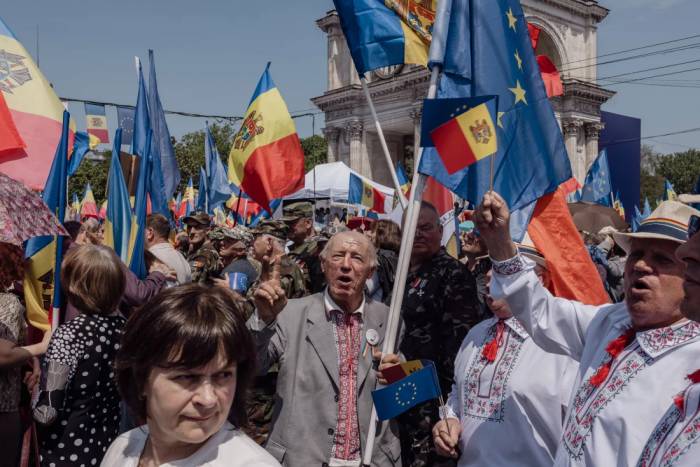
The recent elections in Moldova unfolded amid complex domestic and international conditions that have intensified over recent years.
The government's heightened control over media, escalating regional tensions, and a deep societal divide over foreign policy issues have created a unique atmosphere where voters encountered an unprecedented lack of information and a constrained ability to make an informed choice.These elections were among the most controlled and restricted in recent years. Under the leadership of Maia Sandu, the ruling PAS party, in collaboration with Western partners, cleared the media space, virtually eliminating opposition access to major television channels and online resources. The shutdown of platforms that previously offered alternative perspectives created an information vacuum, depriving citizens of the chance to explore the viewpoints and programs of various candidates. This election took place under conditions unseen during the tenures of either Vladimir Voronin or Vladimir Plahotniuc, when media plurality allowed voters to make more informed decisions.
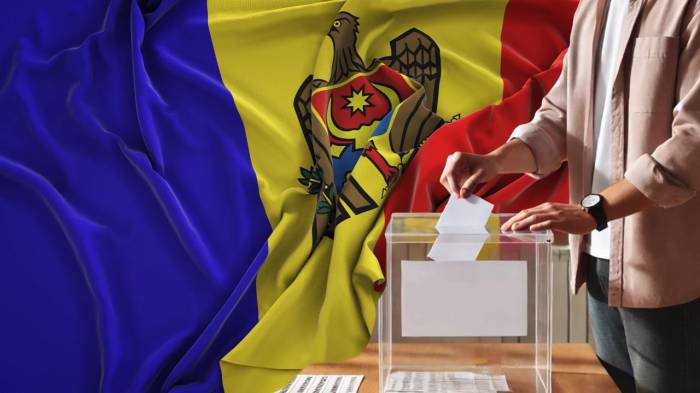
Due to the absence of open debate and restricted media access, candidates were forced to campaign almost "by hand"—traveling to towns with informational pamphlets. Autumn in Moldova is a season of agricultural labor, with a significant portion of the population working in the fields, which only exacerbated the limited access to information and affected voter turnout.
The geopolitical situation continues to exert critical influence on Moldova’s political climate. The conflict between Russia and Ukraine has not only reshaped the region's political landscape but has also significantly impacted the country's long-term plans and aspirations. For many citizens, threats from global players fuel a sense of uncertainty, while Western support for Sandu’s government amid this tension strengthens her standing. Moldova’s leadership is increasingly drawing attention from high-ranking European politicians, which boosts the political rating of the incumbent president but also raises questions about potential "double standards" in Western policies.
Despite a near-total control over the media space, several candidates managed to gain popularity and voter attention, each representing unique visions for Moldova’s future:
Alexandru Stoianoglo – Known for his integrity and experience as a prosecutor, he presented himself as an honest and independent figure. Support from former president Dodon could have played a crucial role in his campaign by enabling Stoianoglo to appeal to Dodon’s supporters. However, limited media coverage may have hindered his success in the first round.
Renato Usatîi – A charismatic and straightforward candidate, Usatîi drew the attention of those tired of the intrigues between the government and opposition. Like other opposition candidates, he faced challenges in conveying his ideas to a broad audience due to restricted media access.
Irina Vlah – Popular in Gagauzia, yet lacking sufficient support nationwide. While Vlah positioned herself as a candidate for all of Moldova, her electoral base remained largely regional.
Tudor Ulyanovsky – A representative of the new generation of pro-European politicians, he became the preferred choice for those disillusioned with Maia Sandu’s rule. His support from intellectuals and youth made him a promising candidate.
A key issue in this election was the referendum on EU membership, which could serve as a strategic step toward future constitutional amendments. The referendum could allow for the removal of Moldova’s neutrality clause, exposing the country to increased vulnerability amid rising global tensions. Intense public debates revolve around whether Moldova will retain its neutral status if it joins the EU and the potential security implications.
Amid mounting geopolitical pressure and growing risks of Moldova’s involvement in international conflicts, it is vital for the country to maintain neutrality and avoid entanglement in global power struggles. Moldova, as a small nation, should prioritize diplomatic solutions, steering clear of confrontations between Russia and the West. Geopolitical wisdom requires Moldova’s leadership to balance interests and uphold peaceful, friendly relations with all major neighbors. Retaining neutral status will enable Moldova to focus on internal development and minimize risks of being drawn into geopolitical conflicts.
Moldova faces the dual challenge of preserving its neutral status and uniting society. History demonstrates that the country’s strength lies in its multiculturalism and tolerance. Moldovans have historically thrived through cultural exchange and mutual respect. In the current crisis, it is crucial for Moldova to uphold these values, ensuring domestic peace and stability.
Following the elections, Moldova must find an optimal path forward, retaining its identity and neutral status. The country’s future depends on its leaders’ ability to unite the nation, cherish its culture, and steer clear of unnecessary foreign conflicts. It is essential to support politicians who can effectively represent the interests of the entire nation, pursue a diplomatic course, and preserve peace within the country, acknowledging the importance of neutrality and stability in these challenging times.
(If you possess specialized knowledge and wish to contribute, please reach out to us at opinions@news.az).


Similar news