Philippines, Vietnam sign historic defense pact in Manila


The geopolitical landscape of Southeast Asia is shifting as the Philippines and Vietnam officially upgraded their diplomatic alliance. Amid growing regional friction, the two maritime neighbors have agreed to elevate their ties to an "Enhanced Strategic Partnership," marking a major defense and economic synchronization aimed at securing the disputed South China Sea.
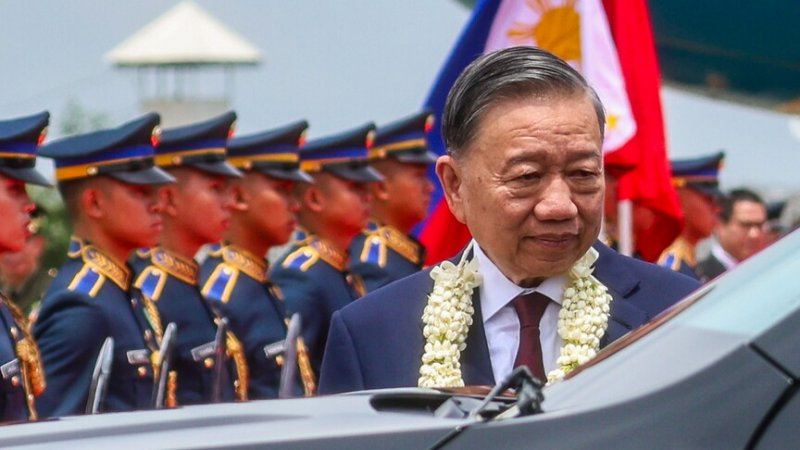
The landmark agreement was finalized in Manila during a high-profile bilateral meeting between Philippine President Ferdinand Marcos Jr. and visiting Vietnamese President To Lam. The state visit carries heavy historic weight, aligning with the 50th anniversary of diplomatic relations between the two countries and a decade since their original strategic partnership was forged, News.Az reports, citing Anadolu Agency.
At the core of the newly enhanced alliance is a major push for maritime security and incident management. Both leaders committed to implementing a strict framework for "incident prevention and management" in the heavily contested South China Sea, while vastly expanding direct collaboration between their respective coast guards. Moving forward, the nations vowed to resolve all overlapping maritime claims through peaceful, amicable means strictly grounded in international law.
RECOMMENDED STORIES
But the partnership isn't just about naval maneuvers. Marcos and To Lam also set their sights on transforming the economic corridor between Manila and Hanoi:
Trade Goals: The leaders expressed a mutual desire to shatter their current $10 billion bilateral trade target while actively lowering trade and investment barriers.
Food Security: The nations are pursuing tight agricultural cooperation, specifically locking down sustainable rice trade, joint fisheries management, and a unified strategy for a "blue economy".
Enforcement: Both sides are deploying joint data-sharing systems and law enforcement operations to aggressively combat illegal, unreported, and unregulated fishing.
Following their private discussions, the two heads of state witnessed the formal exchange of several bilateral agreements, signaling to the rest of the region that the two nations are unified in building national resilience against emerging geopolitical pressures.
By Aysel Mammadzada


Similar news