New U.S. travel ban: Trump shielding the homeland or fueling division?


.png)

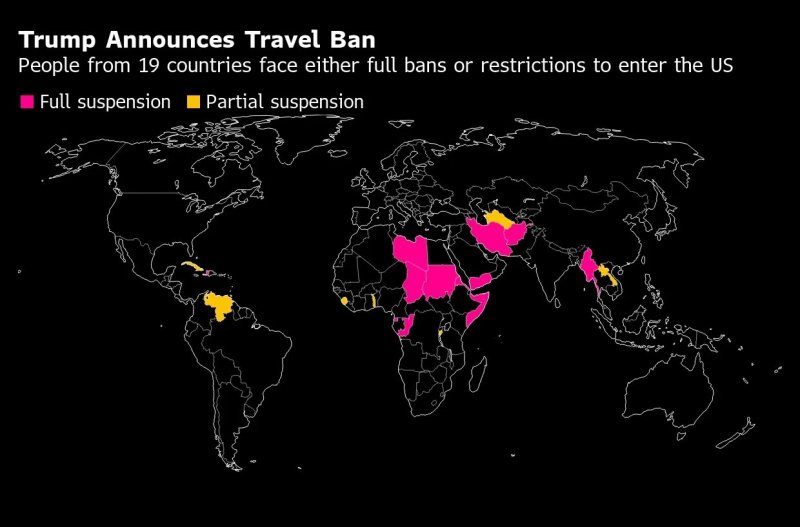
On June 4, 2025, U.S. President Donald Trump signed a new executive proclamation banning travel from 12 countries and placing additional restrictions on seven others. The policy, framed as a national security measure, is set to take effect on June 9 and is already drawing international criticism and legal scrutiny.
The full travel ban applies to citizens of Afghanistan, Myanmar, Chad, Republic of the Congo, Equatorial Guinea, Eritrea, Haiti, Iran, Libya, Somalia, Sudan, and Yemen. These individuals will be barred from entering the United States under any visa category, including student, tourist, and business visas.
Seven more countries—Burundi, Cuba, Laos, Sierra Leone, Togo, Turkmenistan, and Venezuela—face partial restrictions. These generally apply to immigrant visas and select nonimmigrant categories. Exemptions are provided for current visa holders, legal permanent residents, diplomats, and those whose entry is deemed to be in the U.S. national interest.
The administration cited concerns over security vetting, visa overstays, and lack of cooperation from these countries on deportations. President Trump referenced a recent incident in Colorado involving an Egyptian national on an expired visa to justify the measure, though Egypt is not among the affected nations.

Source: ABC News
The move echoes Trump's earlier travel bans, first introduced in 2017 and upheld by the U.S. Supreme Court in 2018. Critics, including civil rights groups and several foreign governments, say the new order disproportionately targets Muslim-majority and developing nations. The African Union and multiple international human rights organizations have condemned the ban as discriminatory and harmful to diplomatic and economic ties.
In response, some affected countries are already retaliating. Chad, for instance, has announced a suspension of visa issuance to U.S. citizens. Legal challenges are expected in the coming days, with civil liberties groups preparing lawsuits to block the order’s enforcement.
Despite the controversy, Trump administration officials insist the policy is necessary to protect national security and will remain under periodic review. However, the long-term diplomatic and humanitarian consequences of the expanded travel ban remain uncertain.
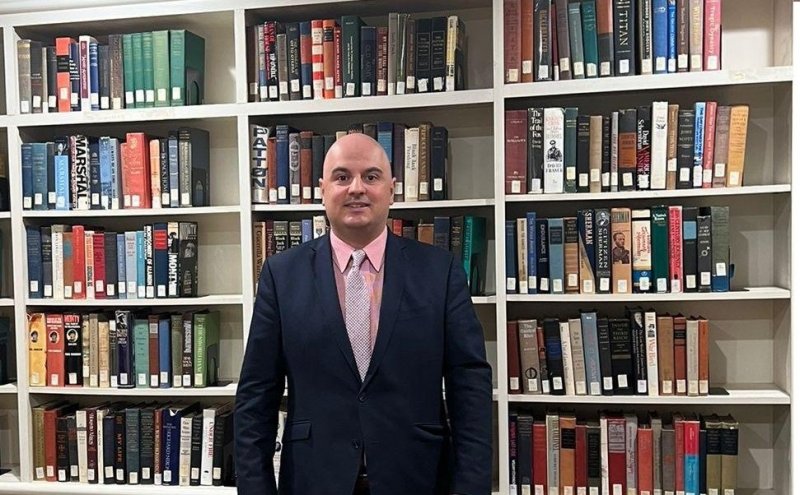
US expert, researcher of international relations and geopolitics of Eurasia Peter Tase, in an interview with News.Az said that President Donald Trump’s recent proclamation restricting the entry of citizens from Afghanistan, Haiti, and the Islamic Republic of Iran stands as a resolute and strategic measure in the ongoing effort to secure the United States from foreign-born threats.
According to him, this firm policy direction reflects a broader national imperative to protect American society from individuals who may contribute to criminal activity, terrorism, or ideological extremism — all of which undermine democratic institutions, civil order, and private enterprise.
“President Trump has demonstrated a level of leadership unparalleled in modern American history. In the last century and a half, few, if any, U.S. presidents have matched his unwavering commitment to restoring America’s strength — economically, militarily, and morally. His administration’s policies have reinforced the foundational values of the nation: sovereignty, lawful immigration, and respect for public order. Under his guidance, the United States has reasserted itself as a global beacon of prosperity, decisiveness, and principled governance. It is essential that the international community acknowledge that a stronger America is not a threat, but a stabilizing force in an increasingly chaotic world. The Trump administration's commitment to securing U.S. borders, regulating immigration, and enforcing national laws sends a clear message: national interest must prevail over unchecked globalism,” he added.
Source: White House
Mr Tase said the inclusion of countries like Haiti and Afghanistan in this restriction is not arbitrary: “Haiti is in the grip of violent civil unrest, lawlessness, and political collapse — a reality that has made it a breeding ground for organized crime and instability. Afghanistan, under the control of radical mullahs, continues to harbor ideologies and networks hostile to democratic values and modern civilization. Similarly, the Islamic Republic of Iran remains a persistent sponsor of regional extremism and anti-Western sentiment. To ignore these realities would be to willfully jeopardize the safety and cohesion of the American people. Through firm leadership and bold action, President Trump has once again reaffirmed the principle that the first duty of any government is to protect its citizens. By taking proactive steps to prevent the infiltration of dangerous individuals, he is upholding not only American security, but the ideals of a civilized and lawful world,” American political expert concluded.


Similar news