Pashinyan sabotages peace


By Faig Mahmudov
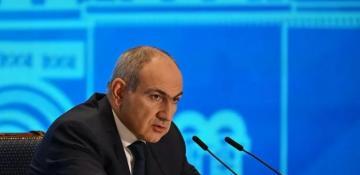
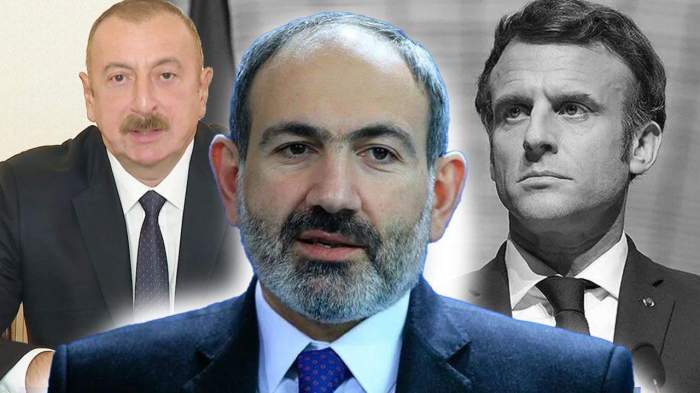
Assistant to the President of the Republic of Azerbaijan - Head of the Foreign Policy Affairs Department of the Presidential Administration Hikmet Hajiyev has announced that Armenian Prime Minister Nikol Pashinyan refused to meet with Azerbaijani President Ilham Aliyev.
What motivated Pashinyan's refusal? What underlying factors might have influenced his decision?
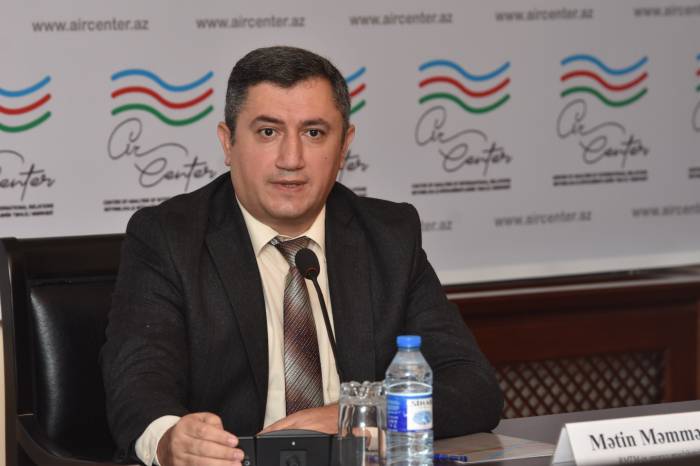
Dr. Matin Mammadli, a leading advisor for the Center of Analysis of International Relations (AIR Center), shared his insights with News.Az on the ongoing negotiation process between Armenia and Azerbaijan. He stated, “The negotiation process has reached a stage where the parties must clearly articulate their positions on specific issues. Azerbaijan's stance on all negotiation issues is transparent; unfortunately, we do not see the same from Armenia. There are several problematic issues in the negotiations with Armenia today. One significant issue is the presence of territorial claims against Azerbaijan in Armenia's domestic legislative documents. We have not observed a clear stance from the Armenian government regarding the amendment of these documents.”
Mammadli noted that such conflicting approaches impede the overall negotiation process. “Whether it concerns the opening of communications or other matters, the Armenian government, unfortunately, does not demonstrate a constructive position. On these issues, the Armenian government avoids negotiations to evade expressing a definitive stance.”
The political expert does not attribute this solely to the Armenian government's position.
“Alongside internal factors in Armenia, external influences play a significant role. It appears that certain power centers still influence Nikol Pashinyan's government and are not interested in achieving lasting peace between Azerbaijan and Armenia. For these reasons, Pashinyan refused to meet with the President of Azerbaijan in London. Despite this, Azerbaijan remains interested in peace. However, Armenia is the country that needs peace the most in the region, and unfortunately, the Armenian government does not fully grasp this reality.”
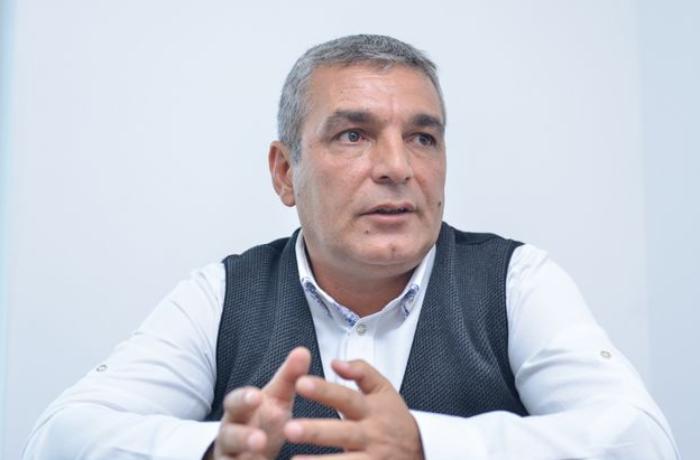
In turn, political expert Natig Jafarli, in an interview with News.Az , pointed out that Great Britain initiated the meeting between the Azerbaijani and Armenian leaders. He stated, “Pashinyan's rejection of this meeting is not solely his own decision. Historically, economically, and politically, there is a constant rivalry between Great Britain and France. Considering the close ties between France and Armenia , there may have been pressure on Pashinyan to prevent this meeting from taking place in London.”
Jafarli emphasized that Azerbaijan remains committed to its policy and is striving to advance peace negotiations. “If it is Armenia and Pashinyan who are evading peace talks, this should be communicated more clearly to the international community. Azerbaijan consistently supports the principles of international law outlined in its peace agenda, and Pashinyan's refusal reveals his true intentions. It is Armenia that is delaying the peace treaty.
However, Armenian media and its lobby are trying to present a different narrative internationally, suggesting that Azerbaijan is the one prolonging the peace process. Pashinyan’s rejection of the meeting actually proves that it is Armenia that is avoiding peace talks. As I mentioned, I do not believe Pashinyan made this decision independently. Likely, other countries also influenced his decision.”
P.S. Armenia's actions are delaying the signing of a peace treaty, and such steps by Pashinyan are forcing Azerbaijan to reconsider its diplomatic approaches. If this approach by Pashinyan continues, it could lead to undesirable consequences. Azerbaijan may be compelled to toughen its stance and draw more international attention to Armenia's actions, complicating diplomatic efforts for a peaceful resolution of the conflict. Ultimately, Armenia's refusal to engage in constructive dialogue only increases regional tensions and delays the achievement of long-awaited peace.


Similar news