Serbia begins distancing itself from Russia


Credit: Valery Sharifulin / TASS / Forum
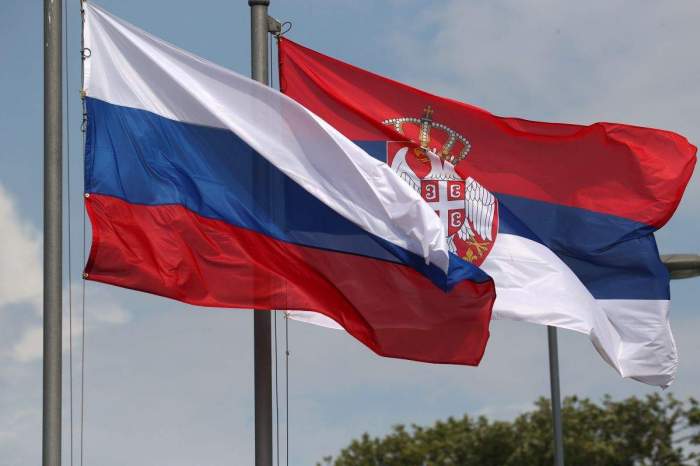
The Serbian government has reportedly decided to terminate or indefinitely postpone certain defense contracts with Russia, marking a significant shift in the long-standing relationship between the two countries. According to Serbian Chief of the General Staff General Milan Mojsilović, new purchases of Russian weapons have effectively become impossible, a development that raises questions about whether Serbia’s move is motivated by its own strategic interests—or by Western pressure.
Over the years, defense collaboration has been a cornerstone of Russian-Serbian ties. Now, however, analysts suggest that political considerations are driving Belgrade’s decisions. Dmitry Rodionov, a Russian political analyst and head of the Geopolitical Studies Center at the Institute for Innovative Development , told News.az
that episodes of friction between Moscow and Belgrade are “not happening for the first time.” He believes the Serbian government’s recent actions reflect a broader foreign-policy realignment.
“The relationship between Russia and Serbia has gone through many crises,” Rodionov said. “Defense, metallurgy, and energy are key areas of cooperation. Serbia may continue to use and modernize existing Russian weaponry, but they are shifting towards new suppliers.”
The defense sector is not the only field showing signs of strain. Energy cooperation is also reportedly in flux. Serbia currently receives much of its gas via the Turkish Stream pipeline, but Rodionov notes that overall imports of Russian gas are declining. Serbian President Aleksandar Vučić has previously emphasized the importance of Russian energy, yet the downward trend in gas imports points to a more nuanced reality.
Pressure from the West
For years, Western nations—particularly the United States and the European Union—have pushed Serbia to distance itself from Moscow. This pressure is rooted in broader geopolitical tensions, including the West’s opposition to Russian influence in Europe.
“Recently, Vučić announced he might have to nationalize the Russian stake in the Novi Sad Oil Industry (NIS) under pressure from the Americans,” said Rodionov. “Gazprom Neft, a subsidiary of Gazprom, holds the majority stake in NIS. It’s not just a lucrative business; much of Serbia’s oil infrastructure, destroyed in the 1999 NATO bombings, was rebuilt with Russian funding.”
While Belgrade points to domestic considerations, outside observers note that Serbia’s economic dependence on Russia has gradually waned. It also maintains an increasingly significant trade relationship with the EU. Today, roughly 70 percent of Serbia’s trade is tied to European markets.
Balancing East and West
The pivot away from Russian defense contracts appears to be part of a broader strategy to strike a balance between East and West, especially as Serbia continues its long-held aspiration to join the European Union. President Vučić’s administration has, until now, walked a fine line, striving to maintain traditional ties with Russia while gradually deepening engagement with Western institutions.
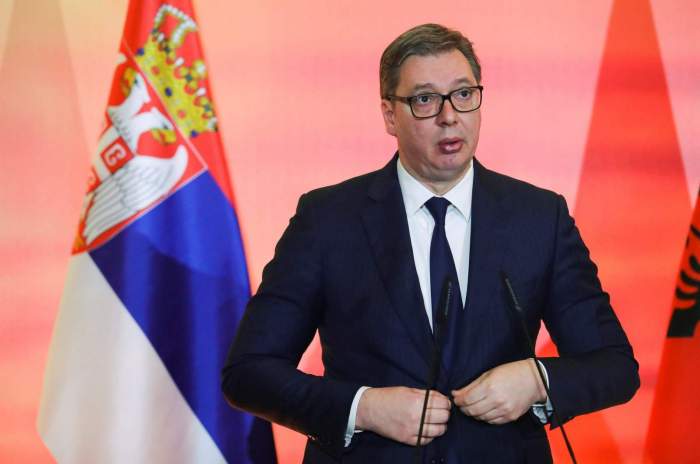
Reuters/File Photo
According to Rodionov, the EU and the United States have exerted both economic and political leverage on Serbia, going so far as to raise the specter of sanctions or broader isolation if Belgrade does not align itself more closely with Western policy.
“Serbia is a small country, and its economic reliance on Russia has noticeably decreased,” Rodionov said. “However, it still faces delicate ‘red lines’ if it hopes to integrate more fully into Europe: recognizing Kosovo and distancing itself from Russia.”
Kosovo conundrum
Recognizing Kosovo’s independence remains highly sensitive within Serbia. Any official acceptance would likely spark a domestic political crisis and risk bringing down the government. Although Vučić has engaged in dialogue with authorities in Kosovo—something deemed unimaginable decades ago—outright recognition is still a step too far for many Serbian voters.
Nevertheless, Serbia’s willingness to even discuss territorial compromises with Kosovo marks a departure from the hardline positions of the past. Many Serbs regard such steps as unacceptable, but Rodionov argues that, from Belgrade’s perspective, “being part of a ‘civilized Europe’” now carries increasing appeal.
Looking ahead
The move to end or postpone Russian defense contracts may be emblematic of Serbia’s broader recalibration of foreign policy. Despite strong cultural and historical ties to Russia, Belgrade’s willingness to pursue Western-oriented strategies could have long-term implications for Russia’s influence in the region.
“We must acknowledge that Serbia is gradually distancing itself from Russia,” Rodionov said. “That doesn’t make it a ‘traitor’—the situation is extremely complicated for them, and Western pressure is intense.”
Still, Rodionov holds out hope that any potential rupture within the Western bloc could pave the way for a renewed Russian-Serbian partnership in the future. For now, however, the pressure from Western capitals appears to be the determining factor in reshaping Belgrade’s defense and foreign policies.
Over the years, defense collaboration has been a cornerstone of Russian-Serbian ties. Now, however, analysts suggest that political considerations are driving Belgrade’s decisions. Dmitry Rodionov, a Russian political analyst and head of the Geopolitical Studies Center at the Institute for Innovative Development , told News.az
that episodes of friction between Moscow and Belgrade are “not happening for the first time.” He believes the Serbian government’s recent actions reflect a broader foreign-policy realignment.
“The relationship between Russia and Serbia has gone through many crises,” Rodionov said. “Defense, metallurgy, and energy are key areas of cooperation. Serbia may continue to use and modernize existing Russian weaponry, but they are shifting towards new suppliers.”
The defense sector is not the only field showing signs of strain. Energy cooperation is also reportedly in flux. Serbia currently receives much of its gas via the Turkish Stream pipeline, but Rodionov notes that overall imports of Russian gas are declining. Serbian President Aleksandar Vučić has previously emphasized the importance of Russian energy, yet the downward trend in gas imports points to a more nuanced reality.
Pressure from the West
For years, Western nations—particularly the United States and the European Union—have pushed Serbia to distance itself from Moscow. This pressure is rooted in broader geopolitical tensions, including the West’s opposition to Russian influence in Europe.
“Recently, Vučić announced he might have to nationalize the Russian stake in the Novi Sad Oil Industry (NIS) under pressure from the Americans,” said Rodionov. “Gazprom Neft, a subsidiary of Gazprom, holds the majority stake in NIS. It’s not just a lucrative business; much of Serbia’s oil infrastructure, destroyed in the 1999 NATO bombings, was rebuilt with Russian funding.”
While Belgrade points to domestic considerations, outside observers note that Serbia’s economic dependence on Russia has gradually waned. It also maintains an increasingly significant trade relationship with the EU. Today, roughly 70 percent of Serbia’s trade is tied to European markets.
Balancing East and West
The pivot away from Russian defense contracts appears to be part of a broader strategy to strike a balance between East and West, especially as Serbia continues its long-held aspiration to join the European Union. President Vučić’s administration has, until now, walked a fine line, striving to maintain traditional ties with Russia while gradually deepening engagement with Western institutions.
Reuters/File Photo
According to Rodionov, the EU and the United States have exerted both economic and political leverage on Serbia, going so far as to raise the specter of sanctions or broader isolation if Belgrade does not align itself more closely with Western policy.
“Serbia is a small country, and its economic reliance on Russia has noticeably decreased,” Rodionov said. “However, it still faces delicate ‘red lines’ if it hopes to integrate more fully into Europe: recognizing Kosovo and distancing itself from Russia.”
Kosovo conundrum
Recognizing Kosovo’s independence remains highly sensitive within Serbia. Any official acceptance would likely spark a domestic political crisis and risk bringing down the government. Although Vučić has engaged in dialogue with authorities in Kosovo—something deemed unimaginable decades ago—outright recognition is still a step too far for many Serbian voters.
Nevertheless, Serbia’s willingness to even discuss territorial compromises with Kosovo marks a departure from the hardline positions of the past. Many Serbs regard such steps as unacceptable, but Rodionov argues that, from Belgrade’s perspective, “being part of a ‘civilized Europe’” now carries increasing appeal.
Looking ahead
The move to end or postpone Russian defense contracts may be emblematic of Serbia’s broader recalibration of foreign policy. Despite strong cultural and historical ties to Russia, Belgrade’s willingness to pursue Western-oriented strategies could have long-term implications for Russia’s influence in the region.
“We must acknowledge that Serbia is gradually distancing itself from Russia,” Rodionov said. “That doesn’t make it a ‘traitor’—the situation is extremely complicated for them, and Western pressure is intense.”
Still, Rodionov holds out hope that any potential rupture within the Western bloc could pave the way for a renewed Russian-Serbian partnership in the future. For now, however, the pressure from Western capitals appears to be the determining factor in reshaping Belgrade’s defense and foreign policies.


Similar news