South Caucasus on the move: Azerbaijan and Georgia strengthen logistics and transport links – Expert opinions


Azerbaijan’s Minister of Digital Development and Transport, Rashad Nabiyev, and Chairman of Azerbaijan Railways, Rovshan Rustamov, have embarked on an official visit to Georgia, underscoring the growing strategic partnership between the two nations. The visit, which includes high-level meetings with Georgia’s Minister of Economy and Sustainable Development, Levan Davitashvili, signals a commitment to enhancing transport connectivity, bolstering economic ties, and solidifying the region’s role in global trade routes.
As regional trade dynamics shift amid evolving global supply chain challenges, Georgia and Azerbaijan are positioning themselves as key transit corridors connecting Europe, the Caspian region, and Central Asia. The modernization of infrastructure—particularly in railways, highways, and ports—has become a top priority for both governments as they seek to expand their roles in international transport networks.
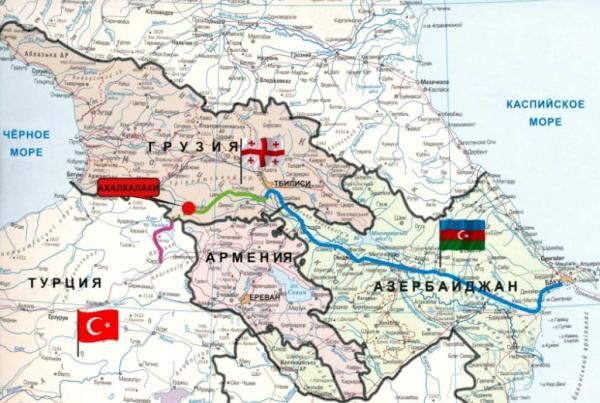
The Baku-Tbilisi-Kars (BTK) railway remains central to this strategy. Originally launched to facilitate trade between Türkiye, Georgia, and Azerbaijan, the railway is undergoing further expansion to accommodate increased freight traffic. Azerbaijan’s investment in the BTK corridor is expected to enhance its efficiency, reduce transit times, and strengthen its viability as an alternative to traditional transport routes through Russia.
Georgia’s Black Sea ports also play a critical role in this equation. With growing interest from European and Asian markets in diversifying transit corridors, the country is seeking to modernize and expand its port infrastructure. This will allow for a greater volume of cargo shipments between Azerbaijan and Europe, particularly as demand for energy exports and trade in goods continues to grow.
Beyond infrastructure, the Azerbaijan-Georgia partnership carries significant geopolitical weight. The South Caucasus has become an increasingly contested space where economic corridors intersect with strategic interests of global and regional powers, including Türkiye, Russia, Iran, and the European Union. Azerbaijan’s growing investments in transit and logistics infrastructure reflect a broader ambition to position itself as a leading player in the East-West and North-South trade corridors.

In an exclusive interview with News.Az, Georgian political analyst Vakhtang Maisaya described the deepening collaboration between Azerbaijan and Georgia as part of a broader geo-economic alignment involving Türkiye and Kazakhstan. He highlighted Azerbaijan’s efforts to expand transport corridors that bypass Russia and provide alternative trade routes to European and Asian markets.
“Azerbaijan is rapidly emerging as a key logistics hub, leveraging its geographic position and energy resources to build long-term economic influence,” Maisaya explained. He emphasized that ongoing investments in the BTK railway and additional transport projects will further solidify Azerbaijan’s regional leadership in transit and logistics.

Another expert, Gela Vasadze, also shared his insights with News.Az, stressing that Georgia’s integration into international transport corridors, including the Middle Corridor, enhances its economic resilience.
“Strategic cooperation with Azerbaijan strengthens Georgia’s role as a transit state while ensuring more predictable and stable trade flows,” Vasadze noted. He pointed out that Georgia is focused on attracting investment to modernize its transport infrastructure, particularly ports, railways, and highways, to remain competitive with Türkiye and Iran.
In addition to transport infrastructure, discussions between Azerbaijani and Georgian officials are expected to cover broader economic integration efforts. Digitalization and technological advancements are becoming increasingly important in modern trade and logistics, with both countries exploring opportunities for deeper collaboration in digital infrastructure and smart logistics solutions.
Azerbaijan’s focus on the digital economy, including initiatives to develop smart customs systems and automated freight tracking, aligns with Georgia’s ambitions to modernize its trade facilitation mechanisms. The implementation of digital solutions is seen as a crucial step in making regional transport routes more efficient, transparent, and competitive.
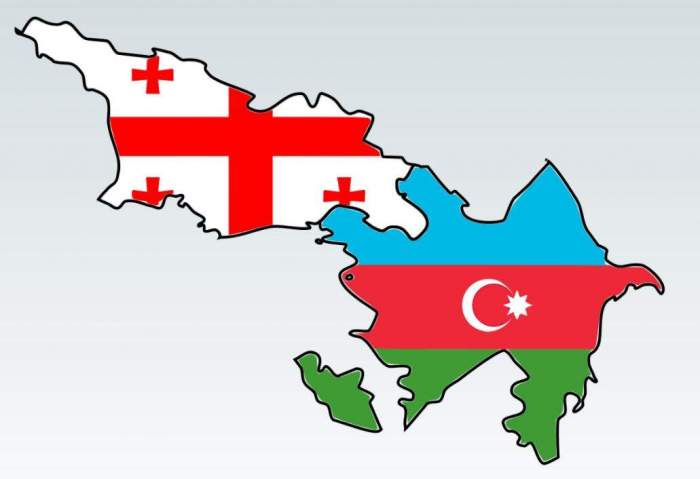
Energy cooperation also remains a key pillar of Azerbaijan-Georgia relations. As Europe seeks alternative energy suppliers to reduce dependence on Russian gas, Azerbaijan has positioned itself as a reliable energy partner. Georgia serves as a critical transit state for Azerbaijani energy exports, with the Baku-Tbilisi-Ceyhan (BTC) oil pipeline and the Southern Gas Corridor playing a vital role in European energy security. The expansion of energy infrastructure, including electricity transmission networks, could further strengthen bilateral cooperation in this domain.
Azerbaijan’s ambitious infrastructure investments reflect its broader vision for regional economic leadership. With significant financial resources at its disposal, Baku is actively shaping the South Caucasus’ economic landscape by funding transport and energy projects that enhance its strategic leverage.
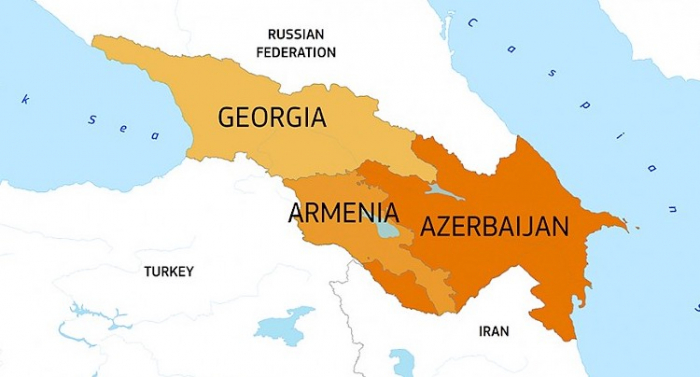
Georgia, in turn, stands to benefit from closer alignment with Azerbaijan’s economic initiatives. By integrating itself more deeply into Azerbaijan’s regional infrastructure projects, Georgia can secure long-term economic stability and reduce its vulnerability to external shocks.
As global trade patterns shift and regional transport corridors become increasingly critical, Azerbaijan and Georgia are reinforcing their status as indispensable transit hubs. Their collaboration not only strengthens bilateral economic ties but also contributes to broader regional stability, ensuring that the South Caucasus remains a vital link in global supply chains.


Similar news