Top 5 devastating wildfires in the globe: And ongoing wildfires in Los Angeles


.png)
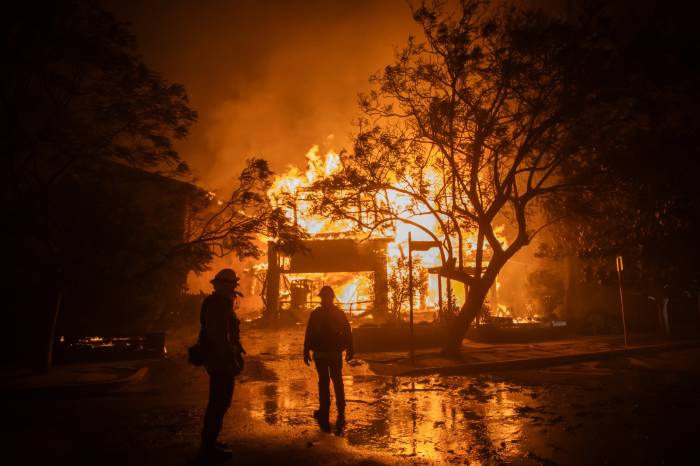
Photo: VOX
Wildfires are uncontrolled fires that burn in forests, grasslands, or other natural landscapes.
They can spread rapidly and are often fueled by dry conditions, wind, and combustible vegetation. Yes, wildfires can have a devastating impact on nature, both in the short and long term. While wildfires are a natural part of some ecosystems and can play a role in maintaining ecological balance, their intensity and frequency, especially when exacerbated by human activity and climate change, can lead to severe consequences for the environmentThe largest wildfires in history are typically measured by the area burned, and many of these fires have burned millions of acres.
Here we introduce some of the largest wildfires around globe:
Siberian Taiga Fires (2003)
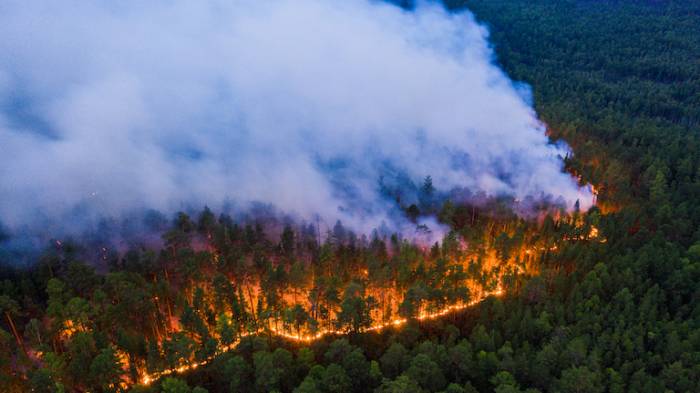
The Siberian Taiga Fires of 2003 are known as the most extensive wildfires in history, scorching around 55 million acres throughout Eastern Siberia. This devastating event was part of a larger series of fires that impacted areas in Russia, northeastern China, and northern Mongolia.
The fires were worsened by exceptionally high temperatures and dry conditions, which are thought to be connected to climate change. The emissions from these fires were substantial, matching the carbon reductions promised by the European Union under the Kyoto Protocol. The widespread smoke from the fires degraded air quality and contributed to environmental problems like ozone depletion. This event underscored the growing frequency and severity of wildfires in Siberia, sparking concerns about future fire patterns and their potential impact on global climate systems.
Australian Bushfires (2019-2020)
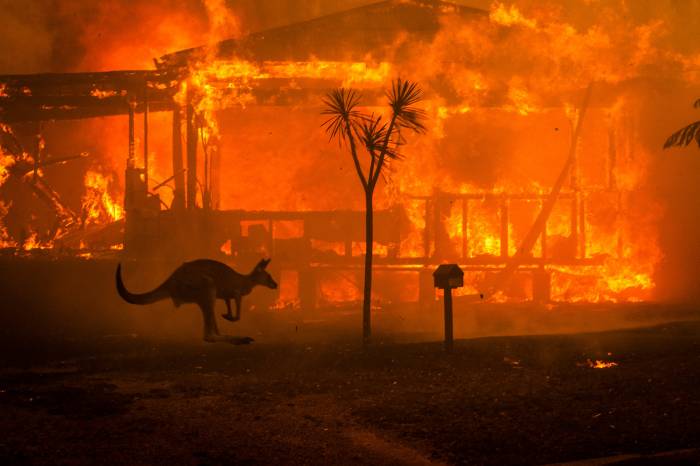
The Australian Bushfires of 2019-2020, known as the "Black Summer," ravaged more than 42 million acres across several states, including New South Wales and Victoria. Triggered by extreme heat and extended drought, the fires led to a devastating loss of wildlife, destruction of homes, and severe air pollution.
These fires were remarkable not only for their vast scale but also for their unprecedented intensity, driven by strong winds and dry vegetation. An estimated three billion animals were impacted, sparking urgent debates about biodiversity conservation and climate resilience. In the aftermath, there was widespread demand for improved fire management strategies and a reassessment of land-use practices in Australia, highlighting the need for proactive measures to address future fire events worsened by climate change.
Great Fire (1919)
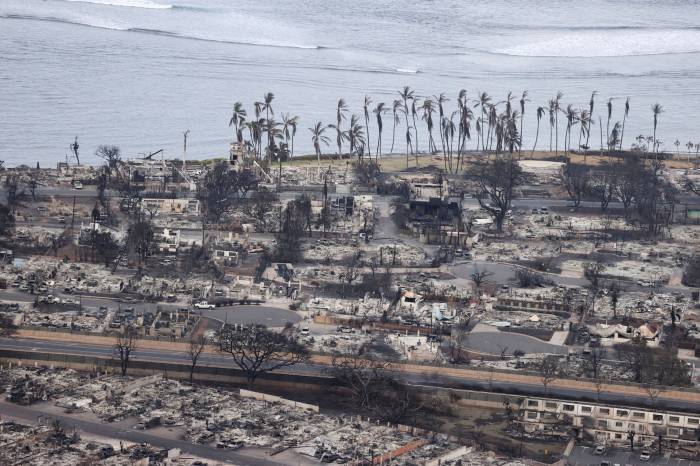
The Great Fire of 1910, also referred to as the "Big Burn," ravaged northern Idaho and western Montana, burning approximately 3 million acres. This wildfire was driven by a mix of dry conditions and strong winds, causing it to spread quickly across large forested regions.
The fire's intensity was so extreme that it generated its own weather patterns, including thunderstorms that sparked additional fires. It caused a substantial loss of life, with at least 87 firefighters killed in the blaze. In the aftermath, the event prompted significant changes in U.S. forest management policies and fire suppression tactics. This disaster stands as a crucial moment in American forestry history, highlighting the risks of wildfires and the necessity of effective fire management strategies.
Chinchaga Fire (1950)
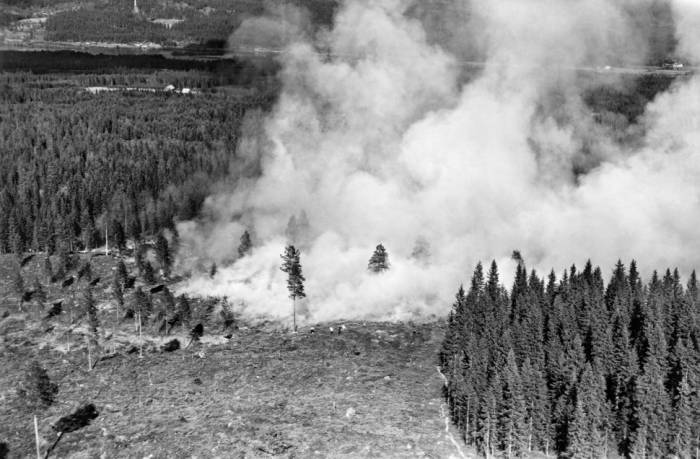
The Chinchaga Fire of 1950 scorched about 4.2 million acres across British Columbia and Alberta in Canada, making it one of the largest wildfires in North American history.
The fire was sparked by dry lightning strikes during an exceptionally hot summer. Its remote location allowed it to burn largely unchecked for several weeks until it was finally extinguished by rain. The smoke from the Chinchaga Fire created a phenomenon known as the "Great Smoke Pall," which impacted air quality across eastern North America and even parts of Europe. This wildfire increased awareness of the ecological role of fire in forest ecosystems while also highlighting the difficulties of managing large-scale fires in remote regions.
Black Dragon Fire (1987)
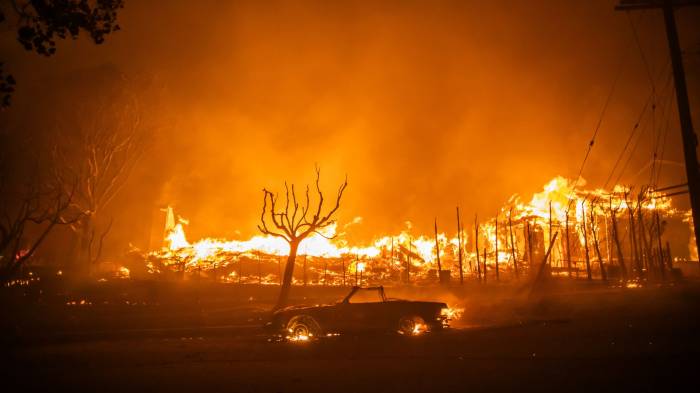
The Black Dragon Fire, also referred to as the Daxing'anling Wildfire, took place in 1987 and is considered one of the deadliest forest fires in the history of both China and Russia, consuming approximately 2.5 million acres.
The fire started in the Daxing'anling region and rapidly spread due to dry conditions and strong winds. It burned for more than a month, causing a devastating loss of life with 191 fatalities and leaving thousands homeless as entire communities were consumed by the flames. Investigations indicated that human activity might have played a role in igniting the fire. The Black Dragon Fire highlighted the urgent need for better fire management practices and greater international collaboration between neighboring countries on wildfire prevention efforts.
And ongoing Los Angeles Wildfires
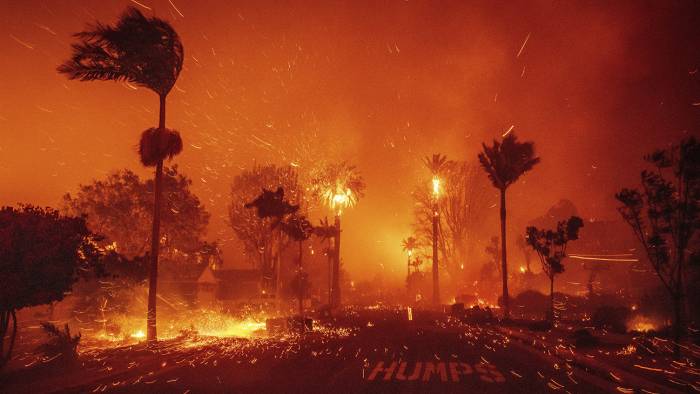
In early January 2025, a series of devastating wildfires broke out across the Los Angeles area, leading to widespread evacuations and extensive damage. Fueled by strong Santa Ana winds and dry conditions, the fires destroyed over 1,000 structures and claimed at least five lives.
Thousands of residents were forced to evacuate, with more than 130,000 people under evacuation orders. The Pacific Palisades fire, in particular, was especially intense, quickly spreading through neighborhoods known for their celebrity homes. Emergency responders faced significant challenges due to high winds and traffic congestion, which complicated evacuation efforts. The federal government declared a state of emergency to deploy resources for firefighting operations.


Similar news