Türkiye’s potential role as a mediator between Russia and Ukraine – Expert opinions


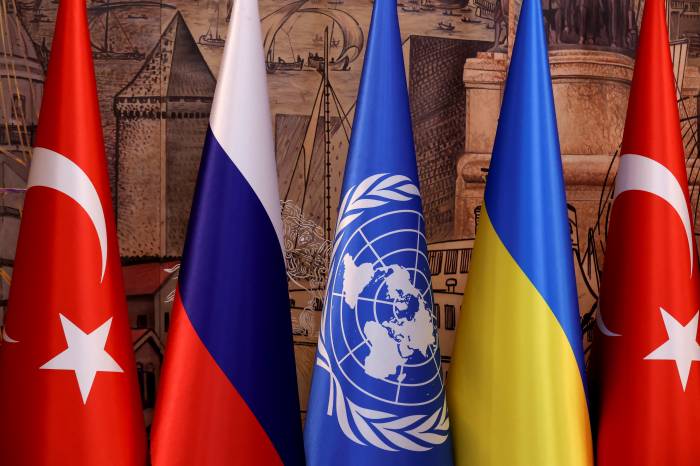
Photo: Reuters
According to an article titled “The Hand of Peace from Russia: A Common Strategy Will Be Built with Ankara” published on the website of the Turkish TV channel Haber Global, Türkiye may become a mediator in negotiations between Russia and Ukraine after the inauguration of U.S. President-elect Donald Trump.
The article’s author indicates that Russia is planning such mediation. It further states:“Experts believe that Moscow’s influence in Armenia and Central Asia has weakened, which has raised Türkiye’s expectations in its diplomatic relations with Russia. Experts suggest that Türkiye will avoid taking actions that challenge Russia and will instead strengthen its role as a mediator between Moscow and the West.”
It should be recalled that Donald Trump won the U.S. presidential election last November, with his inauguration scheduled for 20 January. To assess the likelihood of Türkiye’s involvement in any mediation, we consulted political experts from Russia and Ukraine.
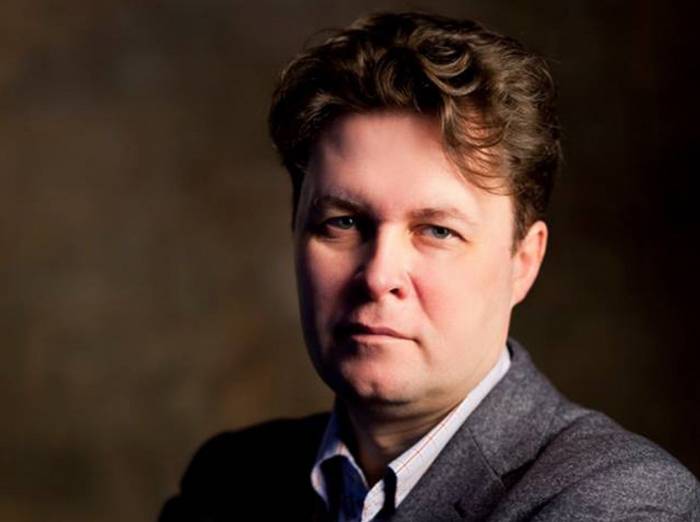
Evgen Magda (Ukraine): “The idea of mediation is not new.”
Evgen Magda, a political scientist and Director of the Institute of World Policy in Kyiv, notes that the concept of mediating in the Russian-Ukrainian conflict has been circulating for some time:
“Discussions began in the spring of 2022, but there have been no concrete examples of successful mediation so far.”
He points out that prisoner exchanges and the signing of the grain agreement in 2022 could be considered the only relatively successful outcomes of such efforts. Magda also explains why many parties are eager to mediate:
“The answer is simple: the war is so large in scale that any successful mediation would secure a place for the peacekeeper in future history books, and – importantly – guarantee priority involvement in rebuilding the Ukrainian economy.”
Regarding Türkiye’s potential role, Magda observes:
“Türkiye mediated the signing of the grain agreement. While it is a NATO member, which is significant for Russia, it also supplied Bayraktar drones to Ukraine and built the Ivan Mazepa corvette for the Ukrainian Navy. Moreover, Türkiye’s actions in Syria have significantly affected Moscow’s positions. President Recep Tayyip Erdoğan aims to be not only a leader of a NATO country but also an influential figure in the Sunni Muslim world. Given all this, Türkiye’s current international stance makes it difficult to view Ankara as a neutral peacekeeper; it appears more intent on positioning itself as a key player in a multipolar world.”
Magda concludes that there are no ideal mediators:
“Türkiye may have a strong desire to mediate, but this ambition seems more pronounced than either Russia’s or Ukraine’s willingness to accept it. Nevertheless, Ankara’s efforts are part of the broader search for ways to end the Russian-Ukrainian war.”
Sergei Markov (Russia): “Türkiye has a chance, but it is limited.”
Russian political scientist Sergei Markov also acknowledges the possibility of Türkiye acting as mediator, albeit a small one. In an interview with New.Az , he outlines the circumstances that support Türkiye’s mediation and those that stand in its way.
However, Markov also outlines several obstacles to Türkiye’s potential role.
He argues that, from Russia’s perspective, “Ukraine is not truly sovereign but rather a ‘neo-colonial regime’ controlled by the U.S.,” referencing the Istanbul agreements of March–April 2022 that were abandoned, he says, following intervention by then–British Prime Minister Boris Johnson.
Markov further questions President Volodymyr Zelensky’s legitimacy, pointing out that Ukraine’s constitution “does not extend the president’s mandate under martial law.” Because of this, Moscow fears any agreement signed by Zelensky might be invalidated when new elections occur.
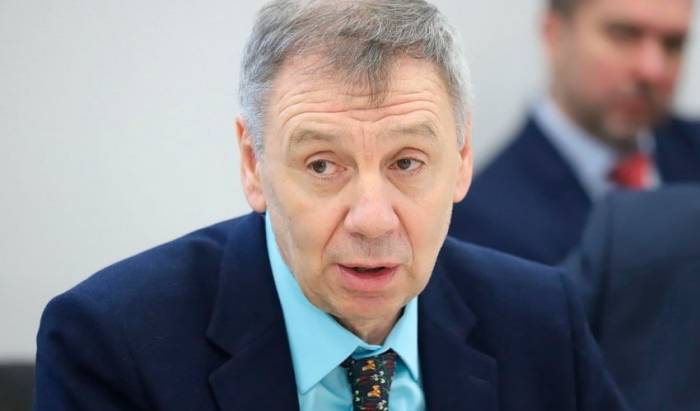
“Genuine peace talks should be between Russia and the U.S.,” Markov says, noting uncertainty over whether figures like former U.S. President Donald Trump or European leaders would accept Erdoğan as a mediator. He adds that Türkiye’s reputation suffered when Ukrainian leaders from Azovstal, initially held under house arrest in Türkiye, were released at Zelensky’s request, causing “significant backlash in Russia” and undermining trust in Erdoğan.
Despite these challenges, Markov remains hopeful:
“President Erdoğan has the potential to be one of the few political leaders capable of mediating. Other potential mediators could include India, Brazil, Austria, or Hungary.”
While Türkiye may have both ambition and certain advantages in seeking to mediate between Russia and Ukraine, the obstacles outlined by Evgeny Magda and Sergei Markov illustrate the complexity of any potential negotiations. Differing views on Ukraine’s sovereignty, disagreements over President Zelensky’s legitimacy, and broader international rivalries point to the need for more than just a bilateral arrangement between Moscow and Kyiv. Whether Türkiye can effectively navigate these challenges and emerge as a credible go-between remains an open question, but its prior diplomatic efforts and strategic position continue to give Ankara a notable, if limited, role in pursuing a lasting resolution to the Russian-Ukrainian war.


Similar news