Water is receding, the problems remain: What awaits the Caspian Sea?


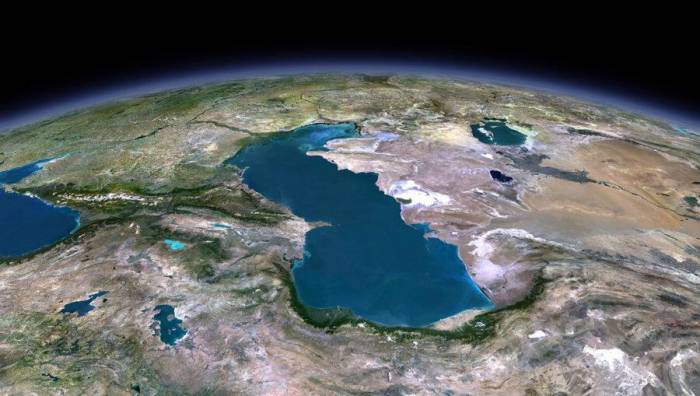
Image: mepei.com
Editor's note: Dr. Aizhan Skakova, expert, member of the Public Chamber under the Mazhilis of the Parliament of the Republic of Kazakhstan.
The Caspian Sea, the largest enclosed body of water on the planet, holds unique ecological, economic, and geopolitical significance. Its endemic species, vast natural resources, and logistical advantages make it a critical asset for the five littoral states: Azerbaijan, Iran, Kazakhstan, Russia, and Turkmenistan. However, the declining water levels of the Caspian Sea pose an escalating environmental challenge that threatens its biodiversity, socio-economic development, and regional stability.The ongoing decrease in the Caspian Sea's water levels can primarily be attributed to two interconnected factors: climatic changes and human activity. A key natural driver is the diminishing annual precipitation in the river basins feeding the sea, especially the Volga River, which accounts for approximately 80% of its inflow. Rivers like Kazakhstan’s Ural (Zhayyk) are also facing chronic water deficits, exacerbating the crisis.
Shifts in atmospheric patterns, including changes in cyclone paths due to global climate change, play a critical role. Rising temperatures increase evaporation rates, further accelerating water loss. Even temporary water level rises, such as those caused by spring floods this year, fail to offset the long-term decline. Forecasts predict that global warming will intensify evaporation, worsening the trend.
Human activities compound the problem. Oil extraction, industrial development, and excessive water use contribute to ecological imbalances. Addressing this crisis requires a comprehensive approach that integrates environmental preservation with sustainable economic practices.
Kazakhstan, with its extensive Caspian coastline, is deeply invested in mitigating this crisis. The country is a signatory to the Framework Convention for the Protection of the Marine Environment of the Caspian Sea (Tehran Convention), which emphasizes international cooperation in oil spill response, pollution control, biodiversity conservation, and transboundary environmental impact assessments.
At the national level, Kazakhstan has developed the Water Resources Management Concept for 2024–2030, focusing on reducing water losses during transport, modernizing irrigation systems, and improving hydrotechnical infrastructure. These measures aim to stabilize water supply systems, enhance agricultural productivity, and minimize disaster risks, including those impacting the Caspian basin.
In 2023, President Kassym-Jomart Tokayev initiated the establishment of the Caspian Sea Research Institute, emphasizing the importance of scientific research in understanding and mitigating the causes of the sea’s decline. The institute's work will be pivotal in formulating evidence-based policies and strategies for ecological restoration.
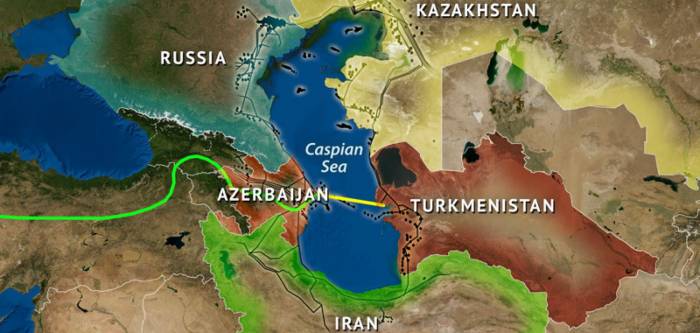
Image: worldview.stratfor.com
The complexity of the Caspian Sea's challenges underscores the need for coordinated action among all littoral states. The Tehran Convention, signed in 2003, provides a framework for collaborative efforts, addressing pollution control, biodiversity conservation, and sustainable resource management. Kazakhstan’s ratification of protocols on land-based pollution, biodiversity preservation, and transboundary environmental impacts demonstrates its commitment to these goals.
Effective regional cooperation must include:
• Transboundary water management: Developing fair water-sharing agreements for domestic and industrial use.
• Joint scientific research: Sharing data on water level changes and their ecological and socio-economic impacts.
• Innovative solutions: Promoting water-saving technologies, transitioning to renewable energy, and implementing ecosystem-based approaches.
By fostering a unified strategy, the Caspian states can enhance biodiversity, safeguard regional economies, and mitigate geopolitical tensions.
Addressing the Caspian Sea's decline requires more than technical and policy measures; it demands greater awareness among local populations and the international community. Governments and NGOs can leverage citizen science initiatives to involve local communities in data collection and ecological monitoring. Transparent information-sharing platforms can bridge gaps between scientific research, policymakers, and the public.
International organizations, investors, and non-governmental actors must also play a role. Building a digital platform for sustained collaboration among scientists, civil society, and policymakers could streamline efforts to preserve the Caspian’s fragile ecosystem. Public campaigns, educational programs, and media outreach can amplify the urgency of this issue, encouraging grassroots participation and global support.
The Caspian Sea is not only a natural wonder but also a driver of economic growth. Kazakhstan’s plans to expand its oil and gas projects and utilize the sea’s transport and logistics potential are critical to its national development. However, these efforts must be balanced with sustainability. Incorporating environmental considerations into economic planning, adopting green technologies, and prioritizing adaptive measures are vital steps toward long-term stability.
The declining water levels of the Caspian Sea present a complex challenge that demands urgent action. Kazakhstan has taken commendable steps to address the crisis through national policies, scientific research, and international cooperation. However, the scale of the problem requires a unified regional approach that integrates ecological preservation with sustainable development. By raising awareness and fostering collaboration, the Caspian states can protect this invaluable resource for future generations. The time to act is now.
(If you possess specialized knowledge and wish to contribute, please reach out to us at opinions@news.az).


Similar news