Will Almaty meeting lead to peace between Azerbaijan and Armenia?


By Sabina Alizade
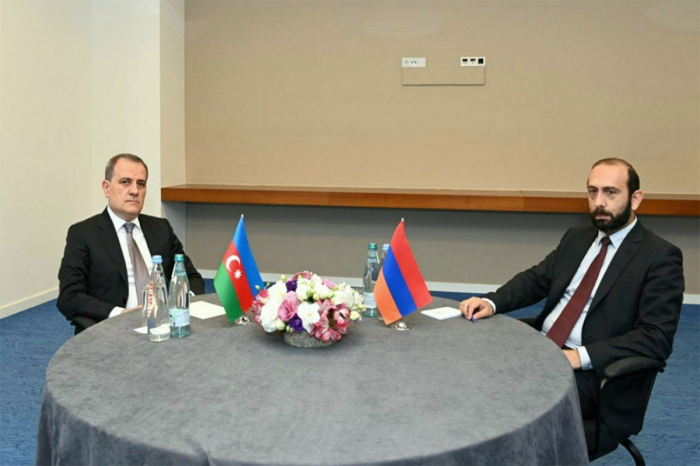
The foreign ministers of Azerbaijan and Armenia, Jeyhun Bayramov and Ararat Mirzoyan, are preparing to meet in Almaty, Kazakhstan, on 10 May. This event is of great interest amid expectations of a possible return to a bilateral approach in negotiations between the two countries, which many experts believe could lead to peace in the South Caucasus region.
Amid global tensions and the diminishing effectiveness of international unity, the decades-long conflict between Azerbaijan and Armenia highlights the need to find alternative solutions to this long-standing problem. A return to direct bilateral negotiations represents a new phase in the search for a solution, with hopes that it might be more productive than efforts involving international mediators like Russia, the USA, and the European Union.
Experts believe that active discussions directly between the two countries' foreign ministries could lead to a peace treaty ending the long-standing conflict. The recent return of four villages by Armenia to Azerbaijan at the end of April is seen as a positive sign of Armenia's willingness to move towards peace and a potentially beneficial agreement for both sides.
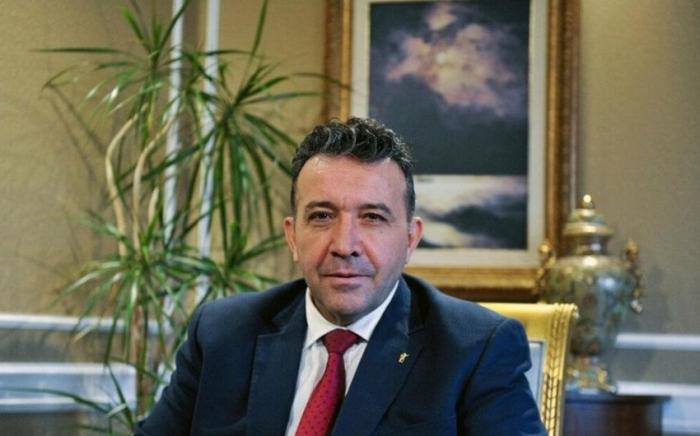
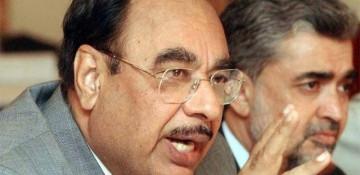
Turkish political expert Abdullah Agar notes that Armenia is influenced by the international situation, which includes various reactions and opportunities. "Armenia is leaning towards the West and is looking for a way out. Armenia lost the war but does not want to pay the price," he said. Agar mentioned that Armenia wants to salvage the situation through minor concessions, but Azerbaijan sees this. On the other hand, Azerbaijan assesses Armenia's weaknesses and sensitivities in the international context.
"We must not forget that the Karabakh war caused great damage to Azerbaijan. Azerbaijan won the war. We are taking back our villages because they are rightfully ours. The issue is not just about that. After all, we have rights that we gained by paying a heavy price in the war. The question arises: Who will hold the key to the Zangazur corridor?" Agar emphasized that Azerbaijan is progressing step-by-step through diplomacy and international law. "Can we stop the counter pressures and threats at this stage? A very difficult path awaits us ahead."
"While on this path, Armenia has intricate plans. The Russian factor must not be forgotten. We must be aware of what Russia and Iran are trying to do. After the Gaza war, the South Caucasus was greatly affected."
Addressing Azerbaijan's compensation issue, Agar noted, "We face a complex and difficult process related to our rights. For instance, in the gold mines alone, there are reserves worth billions of dollars. What will happen to them now?"
"There is compensation for the war. Refugees must be compensated for the hardships they have endured for years. Demining is being carried out in Karabakh, so compensation should be paid for this as well. Thus, we must step forward towards our goal without creating tension. I have always said that the Zangazur corridor should be a geopolitical gain. We must proceed in this geopolitical direction by securing our rights. Thinking that the minimal gain is sufficient would not fit the spirit of war and future plans. Despite all threats, Azerbaijan has a path to follow. It will not be an easy path."
One of the key elements of the potential peace treaty is the launch of the Zangazur corridor, which will restore Azerbaijan's access to the Nakhchivan Autonomous Republic and allow Armenia to expand trade relations with neighbours. This project could be seen as a win-win agreement that benefits both countries and facilitates their reintegration into regional dynamics.
There is hope that the treaty will be signed by the end of November, before the COP29 conference in Baku, indicating both sides' desire to achieve a peaceful resolution soon. The foreign ministers' meeting in Almaty will be a significant step towards this goal and could have profound geopolitical implications not only for Azerbaijan and Armenia but for the entire South Caucasus region.
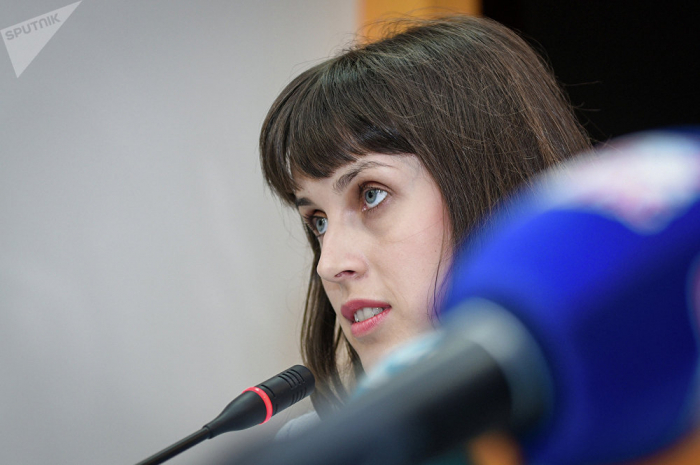
Russian political analyst Darya Grevtsova says that it is difficult to predict whether Armenia and Azerbaijan will sign a peace treaty before the COP29 event. However, there is hope. "It cannot be said that this will not happen. Prime Minister Pashinyan recently stated that Armenia is ready to sign a peace treaty by this November. But under what conditions? And here the question arises. Can the parties come to an agreement and truly put an end to the confrontation?"
She noted that the main issues Azerbaijan and Armenia could discuss are the demarcation and delimitation of the border. There are indeed contentious issues there, and the parties need to come to a mutual decision on how to implement this demarcation and delimitation.
"The question of the Zangazur corridor remains open. Pashinyan wants everything to be on his terms. Azerbaijan naturally does not want to depend on the actions of any third country, whether it's Armenia or Western powers."
Kazakhstan, cooperating with both Armenia and Azerbaijan, as well as actively engaging with both the West and Russia, represents a completely impartial and neutral platform for Azerbaijan and Armenia. Therefore, based on the results of these discussions, we will be able to understand how the negotiations will proceed. A lot depends on the mood of Armenia's Prime Minister Pashinyan. As we know, he tends to procrastinate, and sometimes his words contradict his actions; he says one thing but does another when it comes to implementation.
Recently, there is hope that Pashinyan genuinely wants to normalize relations with Azerbaijan. He has clearly stated that he is ready to sign a peace treaty, even specifying that he aims to sign it by this November.
The expert noted that Pashinyan has handed over four villages to Azerbaijan through peaceful means without considering the revanchist forces, showing confidence in his position. He is not afraid of the revanchist forces within the Karabakh clan.
Pashinyan openly declares that the issue of Karabakh is completely resolved for Armenia. And as we see, he is working towards developing the economy, lifting the blockade with Turkey, and moving forward in general. All these efforts are necessary for Armenia to establish normal relations with Azerbaijan, which would also help Armenia to become a partner with Turkey. Therefore, these talks could potentially have a positive outcome, as we have recently seen Pashinyan's determined attitude to change the situation. Pashinyan states that he wants to join the European Union, actively cooperate with them, and possibly even become a member. The political analyst believes that for this to happen, Armenia naturally does not need any conflict or contentious situation with its neighbours. Hence, this could be a stimulus for more effective negotiations in Kazakhstan.
The foreign ministers of Azerbaijan and Armenia, Jeyhun Bayramov and Ararat Mirzoyan, are preparing to meet in Almaty, Kazakhstan, on 10 May. This event is of great interest amid expectations of a possible return to a bilateral approach in negotiations between the two countries, which many experts believe could lead to peace in the South Caucasus region.
Amid global tensions and the diminishing effectiveness of international unity, the decades-long conflict between Azerbaijan and Armenia highlights the need to find alternative solutions to this long-standing problem. A return to direct bilateral negotiations represents a new phase in the search for a solution, with hopes that it might be more productive than efforts involving international mediators like Russia, the USA, and the European Union.
Experts believe that active discussions directly between the two countries' foreign ministries could lead to a peace treaty ending the long-standing conflict. The recent return of four villages by Armenia to Azerbaijan at the end of April is seen as a positive sign of Armenia's willingness to move towards peace and a potentially beneficial agreement for both sides.
Turkish political expert Abdullah Agar notes that Armenia is influenced by the international situation, which includes various reactions and opportunities. "Armenia is leaning towards the West and is looking for a way out. Armenia lost the war but does not want to pay the price," he said. Agar mentioned that Armenia wants to salvage the situation through minor concessions, but Azerbaijan sees this. On the other hand, Azerbaijan assesses Armenia's weaknesses and sensitivities in the international context.
"We must not forget that the Karabakh war caused great damage to Azerbaijan. Azerbaijan won the war. We are taking back our villages because they are rightfully ours. The issue is not just about that. After all, we have rights that we gained by paying a heavy price in the war. The question arises: Who will hold the key to the Zangazur corridor?" Agar emphasized that Azerbaijan is progressing step-by-step through diplomacy and international law. "Can we stop the counter pressures and threats at this stage? A very difficult path awaits us ahead."
"While on this path, Armenia has intricate plans. The Russian factor must not be forgotten. We must be aware of what Russia and Iran are trying to do. After the Gaza war, the South Caucasus was greatly affected."
Addressing Azerbaijan's compensation issue, Agar noted, "We face a complex and difficult process related to our rights. For instance, in the gold mines alone, there are reserves worth billions of dollars. What will happen to them now?"
"There is compensation for the war. Refugees must be compensated for the hardships they have endured for years. Demining is being carried out in Karabakh, so compensation should be paid for this as well. Thus, we must step forward towards our goal without creating tension. I have always said that the Zangazur corridor should be a geopolitical gain. We must proceed in this geopolitical direction by securing our rights. Thinking that the minimal gain is sufficient would not fit the spirit of war and future plans. Despite all threats, Azerbaijan has a path to follow. It will not be an easy path."
One of the key elements of the potential peace treaty is the launch of the Zangazur corridor, which will restore Azerbaijan's access to the Nakhchivan Autonomous Republic and allow Armenia to expand trade relations with neighbours. This project could be seen as a win-win agreement that benefits both countries and facilitates their reintegration into regional dynamics.
There is hope that the treaty will be signed by the end of November, before the COP29 conference in Baku, indicating both sides' desire to achieve a peaceful resolution soon. The foreign ministers' meeting in Almaty will be a significant step towards this goal and could have profound geopolitical implications not only for Azerbaijan and Armenia but for the entire South Caucasus region.
Russian political analyst Darya Grevtsova says that it is difficult to predict whether Armenia and Azerbaijan will sign a peace treaty before the COP29 event. However, there is hope. "It cannot be said that this will not happen. Prime Minister Pashinyan recently stated that Armenia is ready to sign a peace treaty by this November. But under what conditions? And here the question arises. Can the parties come to an agreement and truly put an end to the confrontation?"
She noted that the main issues Azerbaijan and Armenia could discuss are the demarcation and delimitation of the border. There are indeed contentious issues there, and the parties need to come to a mutual decision on how to implement this demarcation and delimitation.
"The question of the Zangazur corridor remains open. Pashinyan wants everything to be on his terms. Azerbaijan naturally does not want to depend on the actions of any third country, whether it's Armenia or Western powers."
Kazakhstan, cooperating with both Armenia and Azerbaijan, as well as actively engaging with both the West and Russia, represents a completely impartial and neutral platform for Azerbaijan and Armenia. Therefore, based on the results of these discussions, we will be able to understand how the negotiations will proceed. A lot depends on the mood of Armenia's Prime Minister Pashinyan. As we know, he tends to procrastinate, and sometimes his words contradict his actions; he says one thing but does another when it comes to implementation.
Recently, there is hope that Pashinyan genuinely wants to normalize relations with Azerbaijan. He has clearly stated that he is ready to sign a peace treaty, even specifying that he aims to sign it by this November.
The expert noted that Pashinyan has handed over four villages to Azerbaijan through peaceful means without considering the revanchist forces, showing confidence in his position. He is not afraid of the revanchist forces within the Karabakh clan.
Pashinyan openly declares that the issue of Karabakh is completely resolved for Armenia. And as we see, he is working towards developing the economy, lifting the blockade with Turkey, and moving forward in general. All these efforts are necessary for Armenia to establish normal relations with Azerbaijan, which would also help Armenia to become a partner with Turkey. Therefore, these talks could potentially have a positive outcome, as we have recently seen Pashinyan's determined attitude to change the situation. Pashinyan states that he wants to join the European Union, actively cooperate with them, and possibly even become a member. The political analyst believes that for this to happen, Armenia naturally does not need any conflict or contentious situation with its neighbours. Hence, this could be a stimulus for more effective negotiations in Kazakhstan.


Similar news